Connect With Us
Blog
Items filtered by date: September 2025
Tuesday, 30 September 2025 00:00
Different Forms of Gout
 Gout results from a buildup of uric acid in the body and most commonly affects the big toe. Noticeable symptoms of gout are an intense burning pain, along with swelling and redness. It is also possible to have a buildup of uric acid, but experience no symptoms. This form of gout is called asymptomatic gout. Additionally, there are acute gout symptoms, which can last for three to 10 days, but are not present outside of gout attacks. If gout goes untreated, it can lead to chronic gout, which is much harder to manage. Chronic gout can cause hard lumps to form in joints and tissues surrounding them. These lumps can cause permanent damage. If you think you are suffering from gout, then it is suggested that you speak with a podiatrist for help in managing this condition.
Gout is a foot condition that requires certain treatment and care. If you are seeking treatment, contact Tanisha Richmond, DPM from Richmond Foot & Ankle, LLC. Our doctor will treat your foot and ankle needs.
What Is Gout?
Gout is a type of arthritis caused by a buildup of uric acid in the bloodstream. It often develops in the foot, especially the big toe area, although it can manifest in other parts of the body as well. Gout can make walking and standing very painful and is especially common in diabetics and the obese.
People typically get gout because of a poor diet. Genetic predisposition is also a factor. The children of parents who have had gout frequently have a chance of developing it themselves.
Gout can easily be identified by redness and inflammation of the big toe and the surrounding areas of the foot. Other symptoms include extreme fatigue, joint pain, and running high fevers. Sometimes corticosteroid drugs can be prescribed to treat gout, but the best way to combat this disease is to get more exercise and eat a better diet.
If you have any questions, please feel free to contact our office located in Dayton, OH . We offer the newest diagnostic and treatment technologies for all your foot care needs.
Tuesday, 23 September 2025 00:00
How to Avoid Athlete’s Foot
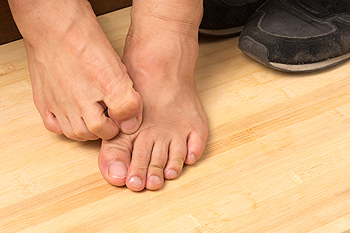 The fungus that causes athlete’s foot thrives in damp, dark, and warm places. That’s why you can contract athlete’s foot in locker rooms, changing areas in public pools, and other wet places where a lot of people walk or stand. Unsanitary practices in professional nail salons can also expose you to athlete’s foot. Mild cases typically present as fissures or patches between the toes, followed by itchy and red skin if the infection gets worse. You may experience blisters that can swell up between the toes or even on the bottoms of the feet and toenails. In the worst cases of athlete’s foot, you may develop a rash on the soles of the feet and there may be pus and an unpleasant order. To avoid athlete’s foot, you should always keep your feet clean and dry, change your socks daily, avoid sharing personal nail tools, and wear sandals in any wet, communal public place. If antifungal creams and powders do not get rid of the infection after two weeks, or your skin is peeling, itchy and covered in blisters, it is suggested that you seek the care of a podiatrist who can devise a successful treatment plan for you.
Athlete’s foot is an inconvenient condition that can be easily reduced with the proper treatment. If you have any concerns about your feet and ankles, contact Tanisha Richmond, DPM from Richmond Foot & Ankle, LLC. Our doctor will treat your foot and ankle needs.
Athlete’s Foot: The Sole Story
Athlete's foot, also known as tinea pedis, can be an extremely contagious foot infection. It is commonly contracted in public changing areas and bathrooms, dormitory style living quarters, around locker rooms and public swimming pools, or anywhere your feet often come into contact with other people.
Solutions to Combat Athlete’s Foot
- Hydrate your feet by using lotion
- Exfoliate
- Buff off nails
- Use of anti-fungal products
- Examine your feet and visit your doctor if any suspicious blisters or cuts develop
Athlete’s foot can cause many irritating symptoms such as dry and flaking skin, itching, and redness. Some more severe symptoms can include bleeding and cracked skin, intense itching and burning, and even pain when walking. In the worst cases, Athlete’s foot can cause blistering as well. Speak to your podiatrist for a better understanding of the different causes of Athlete’s foot, as well as help in determining which treatment options are best for you.
If you have any questions please feel free to contact our office located in Dayton, OH . We offer the newest diagnostic and treatment technologies for all your foot and ankle needs.
Friday, 19 September 2025 00:00
It's Time for Beautiful Feet

You don't need an excuse to have beautiful nails. Step outside without worrying about the appearance of your feet.
Thursday, 18 September 2025 00:00
Custom Orthotics For Teen Athletes

Parents, support your athletic teens with Custom Orthotics! As they excel in sports and activities, their feet need optimal care. Custom Orthotics provide the right alignment, reducing fatigue and enhancing performance. They help absorb shocks, minimize injuries, and cater to their unique foot structure. Don't let foot discomfort sideline their passion. Invest in their comfort and athletic future by choosing Custom Orthotics from our office. Call today for an appointment.
Tuesday, 16 September 2025 00:00
Sever’s Disease in Growing Children

Sever’s disease is a common cause of heel pain in children and adolescents, especially during growth spurts. It occurs when the growth plate in the heel becomes inflamed due to repetitive stress or excessive activity. This condition is most often seen in active children who participate in running and jumping sports. Risk factors include tight calf muscles, poor footwear, flat feet, or rapid growth. Relief may come from rest, stretching, and supportive shoes to reduce strain on the heel. A podiatrist can provide an accurate diagnosis, recommend orthotics, and create a personalized treatment plan. If your child has heel pain that affects their activities, it is suggested that you consult a podiatrist for an accurate diagnosis and treatment options.
Sever's disease often occurs in children and teens. If your child is experiencing foot or ankle pain, see Tanisha Richmond, DPM from Richmond Foot & Ankle, LLC. Our doctor can treat your child’s foot and ankle needs.
Sever’s Disease
Sever’s disease is also known as calcaneal apophysitis, which is a medical condition that causes heel pain I none or both feet. The disease is known to affect children between the ages of 8 and 14.
Sever’s disease occurs when part of the child’s heel known as the growth plate (calcaneal epiphysis) is attached to the Achilles tendon. This area can suffer injury when the muscles and tendons of the growing foot do not keep pace with bone growth. Therefore, the constant pain which one experiences at the back of the heel will make the child unable to put any weight on the heel. The child is then forced to walk on their toes.
Symptoms
Acute pain – Pain associated with Sever’s disease is usually felt in the heel when the child engages in physical activity such as walking, jumping and or running.
Highly active – Children who are very active are among the most susceptible in experiencing Sever’s disease, because of the stress and tension placed on their feet.
If you have any questions, please feel free to contact our office located in Dayton, OH . We offer the newest diagnostic and treatment technologies for all your foot care needs.
Thursday, 11 September 2025 00:00
How Orthotics Improve Comfort and Reduce Injury Risk in Running

Custom-made orthotics are shoe inserts designed to support proper foot alignment and function during movement. For runners, they can greatly improve comfort by evenly distributing pressure, reducing strain on muscles and joints, and correcting biomechanical imbalances. This support can help prevent common running injuries, such as plantar fasciitis, shin splints, and knee pain. Orthotics also enhance efficiency, allowing for smoother strides and potentially improved performance. A podiatrist can assess your gait, identify problem areas, and design orthotics tailored to your specific needs and running style. If you experience lower limb discomfort or recurring injuries while running, it is suggested that you make an appointment with a podiatrist to keep you active, comfortable, and injury-free.
Custom orthotics are specialized shoe inserts created to support and align the feet according to each person’s unique structure and walking pattern. They are an effective way to relieve foot discomfort caused by conditions such as flat feet, high arches, plantar fasciitis, bunions, and heel pain. When the natural alignment of the foot is off balance, it can lead to pressure points, strain, and pain that affect how a person stands, walks, and moves. Orthotics work by redistributing weight evenly and supporting the arch to reduce stress on the muscles, tendons, and joints of the feet and lower legs.
Foot discomfort can develop for many reasons, including wearing improper footwear, long hours of standing, repetitive motion, or underlying structural problems. Over time, this discomfort can extend beyond the feet, contributing to knee, hip, or lower back pain. Custom orthotics help correct these issues by improving alignment and promoting more efficient movement. They are made using precise measurements and imaging to ensure the best fit for each patient, providing targeted support and cushioning where it is needed most.
Unlike generic insoles, custom orthotics are durable, medically designed, and tailored to your specific needs. Whether you are managing chronic pain, recovering from an injury, or simply seeking better comfort and stability, orthotics can make a noticeable difference in how your feet feel throughout the day.
If you are experiencing persistent foot discomfort or fatigue, it may be time to have your feet evaluated by a podiatrist. Call our office today for more information or to schedule an appointment.
If you have any questions, please feel free to contact our office located in Dayton, OH .
Tuesday, 09 September 2025 00:00
Essential Care for Diabetic Feet

Caring for diabetic feet is vital to prevent complications and maintain mobility. Pressure redistribution through supportive footwear and custom inserts helps reduce strain on sensitive areas. If a foot ulcer develops, proper cleaning and dressing are important steps, and antibiotics may be prescribed to prevent infection. Making regular podiatry appointments ensures early detection and treatment of issues before they become severe. A podiatrist can guide you in selecting the right shoes, provide wound care, and monitor circulation and nerve health to protect your feet long-term. If you are living with diabetes, it is strongly suggested that you are under the care of a podiatrist who can help you to manage this serious condition.
Diabetic foot care is important in preventing foot ailments such as ulcers. If you are suffering from diabetes or have any other concerns about your feet, contact Tanisha Richmond, DPM from Richmond Foot & Ankle, LLC. Our doctor can provide the care you need to keep you pain-free and on your feet.
Diabetic Foot Care
Diabetes affects millions of people every year. The condition can damage blood vessels in many parts of the body, especially the feet. Because of this, taking care of your feet is essential if you have diabetes, and having a podiatrist help monitor your foot health is highly recommended.
The Importance of Caring for Your Feet
- Routinely inspect your feet for bruises or sores.
- Wear socks that fit your feet comfortably.
- Wear comfortable shoes that provide adequate support.
Patients with diabetes should have their doctor monitor their blood levels, as blood sugar levels play such a huge role in diabetic care. Monitoring these levels on a regular basis is highly advised.
It is always best to inform your healthcare professional of any concerns you may have regarding your feet, especially for diabetic patients. Early treatment and routine foot examinations are keys to maintaining proper health, especially because severe complications can arise if proper treatment is not applied.
If you have any questions, please feel free to contact our office located in Dayton, OH . We offer the newest diagnostic and treatment technologies for all your foot care needs.
Friday, 05 September 2025 00:00
Heel Pain Can Be Treated!

Do you suffer from heel pain when you get up in the morning? If so, you should seek professional help and have a proper diagnosis performed. Heel pain can be caused by several different foot-related conditions.
Tuesday, 02 September 2025 00:00
What Are Causes of Swollen Feet and Ankles?

Swollen feet and ankles can arise from many different causes. An injury such as a sprain or fracture often leads to swelling, as the body responds with inflammation. Infections in the skin or soft tissue can also trigger painful swelling. Standing or sitting for long periods of time may cause fluid to pool in the lower limbs, while consuming foods high in salt can lead to water retention and discomfort. A podiatrist can evaluate the underlying cause, provide treatment, and recommend lifestyle changes or therapies to reduce swelling and prevent complications. If you are experiencing swollen feet or ankles, it is suggested that you consult a podiatrist who can offer effective relief and treatment tips for this condition.
Swollen feet can be a sign of an underlying condition. If you have any concerns, contact Tanisha Richmond, DPM of Richmond Foot & Ankle, LLC. Our doctor can provide the care you need to keep you pain-free and on your feet.
Swollen feet are a common ailment among pregnant women and people who stand or sit for extended periods. Aging may increase the possibility of swollen feet and patients who are obese often notice when their feet are swelling too. There may be medical reasons why swollen feet occur:
- Phlebitis - A condition that causes the veins to become inflamed and can also cause leg pain.
- Liver disease - This may lead to low blood levels of albumin which is a protein. This can cause fluid in the blood to pass into the tissues and several areas of the body can become swollen.
- Heart failure - When the heart doesn’t pump properly the blood that is normally pumped back to the heart can pool in the veins of the legs causing swollen feet.
- Kidney disease - One of the main functions of the kidneys is releasing excess fluid in the body. This type of condition can make it difficult for the kidneys to function properly, and as a result the feet may become swollen.
- Deep-vein thrombosis (DVT)- This is a serious condition where blood clots form in the veins of the legs. They can block the return of blood from the legs to the heart which may cause the feet to swell. It is important to be treated by a podiatrist if this condition is present.
Swollen feet can also be caused by bone and tendon conditions, including fractures, arthritis, and tendinitis. Additionally, there may be skin and toenail conditions and an infection may cause the feet to swell. Patients who take medicine to treat high blood pressure may be prone to getting swollen feet.
Many patients elevate their feet to help relieve the swelling and this is generally a temporary remedy. When a podiatrist is consulted the reason behind the swelling can be uncovered and subsequently treated.
If you have any questions please contact our office located in Dayton, OH . We offer the newest diagnostic and treatment technologies for all your foot and ankle needs.
Blog Archives
- April 2026
- March 2026
- February 2026
- January 2026
- December 2025
- November 2025
- October 2025
- September 2025
- August 2025
- July 2025
- June 2025
- May 2025
- April 2025
- March 2025
- February 2025
- January 2025
- December 2024
- November 2024
- October 2024
- September 2024
- August 2024
- July 2024
- June 2024
- May 2024
- April 2024
- March 2024
- February 2024
- January 2024
- December 2023
- November 2023
- October 2023
- September 2023
- August 2023
- July 2023
- June 2023
- May 2023
- April 2023
- March 2023
- February 2023
- January 2023
- December 2022
- November 2022
- October 2022
- September 2022
- August 2022
- July 2022
- June 2022
- May 2022
- April 2022
- March 2022
- February 2022
- January 2022
- December 2021
- November 2021
- October 2021
- September 2021
- August 2021
- July 2021
- June 2021
- May 2021
- April 2021
- March 2021
- February 2021
- January 2021
- December 2020
- November 2020
- October 2020
- September 2020
- August 2020
- July 2020
- June 2020
- May 2020
- April 2020
- March 2020
- February 2020
- January 2020
- December 2019
- November 2019
- October 2019
- September 2019
- August 2019
- July 2019
- June 2019
- May 2019
- April 2019
- March 2019
- February 2019
- January 2019
- December 2018
- November 2018