Connect With Us

Tuesday, 17 February 2026 00:00
Keeping Your Feet Healthy While Standing All Day at Work


Standing all day at work can place significant stress on the feet and lead to soreness, fatigue, and increased foot perspiration. Prolonged standing in one position may reduce circulation and strain muscles and joints. Wearing proper shoes is essential for providing support, cushioning, and breathability to reduce discomfort and moisture buildup. Prevention also includes changing static positioning, shifting weight between feet frequently, and allowing muscles to stay active. These habits can help minimize pressure and improve overall foot comfort throughout the workday. When pain or persistent issues develop, a podiatrist can evaluate foot health, recommend supportive footwear, and create personalized treatment plans. If you experience foot pain during your work day, it is suggested that you consult a podiatrist who can guide you toward effective relief and treatment strategies.
While working on the feet, it is important to take the proper care of them. For more information about working on your feet, contact Tanisha Richmond, DPM from Richmond Foot & Ankle, LLC. Our doctor will treat your foot and ankle needs.
Working on Your Feet
Standing on your feet for long periods of time can cause stress and pain in your feet. Your whole body may experience change in terms of posture, back pain, bunions, callouses and or plantar warts. There are ways to avoid these conditions with proper foot care, smart choices and correct posture.
Positive Changes
Negative heeled shoe – Choosing this shoe type places the heel slightly lower than the ball of the foot. These are great for overall foot health. Find shoes that fit you correctly.
Go barefoot – Our feet were not designed to be enclosed for all hours of the day. Try to periodically expose your feet to air.
Eliminate Pain
Foot Exercises – Performing simple exercises, incorporating yoga and doing stretches are beneficial. This will allow increased blood flow to the area and muscles of the foot.
Achilles tendon – Stretching the foot out flat on the floor will relax the calf muscles and tendon. These exercises can be performed almost anywhere. Make sure you add these exercises to your daily regimen.
With a little bit of this information and knowing more about foot health, you will notice changes. Foot stretches and proper footwear will help with pain and prevent further issues.
If you have any questions please contact our office located in Dayton, OH . We offer the newest diagnostic and treatment technologies for all your foot and ankle needs.
Published in Blog
Tagged under
Tuesday, 17 February 2026 00:00
How to Handle a Long Work Day on Your Feet
In 2014, the American Podiatric Medical Association surveyed 1,000 American adults and found that half of all respondents lived with foot pain. Fortunately, there are ways to avoid foot problems such as following a daily footcare routine and wearing proper footwear at work.
If you have a job that requires you to be on your feet, it is best that you do not wear flat sole shoes. Your heel should be slightly elevated (less than 2 inches, but at least ¼-inch) if you are going to be standing for a prolonged period. You should also make sure that the shoes you wear are not too small. Tight shoes may cut off circulation to your feet, which will result in pain and blisters. It is always best to purchase fitted shoes later in the day, because the feet tend to swell as the day progresses. It may also be helpful to buy shoes a half size larger if you plan on wearing custom orthotics or arch supports.
Your muscles may become stiff when you are constantly standing up. It is important to take breaks every hour to stretch and relax. One tip is to perform calf raises, because this exercise will help improve your circulation. To perform this stretch, you first need to stand on the edge of a step with your abdominal muscles pulled inward. You then need to grip the step with the balls of your feet with your heels hanging over the edge. Next, try to raise your heels above the step by a few inches while standing on your tiptoes; hold this pose for a second. You should then lower your heels back even to the platform. These calf raises should be done ten times for full effectiveness.
You should also take care of your feet while you are at home. One of the best ways to prepare your feet for a long day of work is to soak them in ice water. Doing so for 20 minutes will help fight the swelling and inflammation that results from being on your feet at work.
Nevertheless, if you are experiencing pain in your feet, you should seek help from your podiatrist. Your doctor will help treat any ailments you may have in addition to helping you prevent any other ailments from developing in the future.
Published in Featured
Tagged under
Thursday, 12 February 2026 00:00
Understanding Orthotics and How They Can Help Your Feet
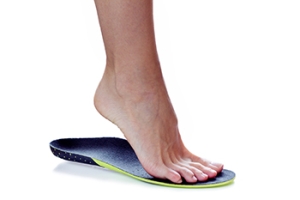
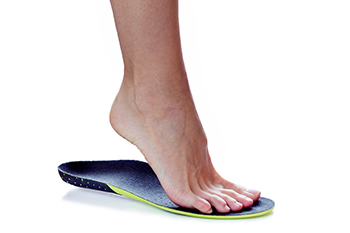
Foot pain and discomfort can come from many sources, including high arches, flat feet, uneven walking patterns, or extra stress on certain areas of the foot. These issues may lead to aching in the heel, arch pain, soreness around the ball of the foot, or tired feet at the end of the day. Some people notice that their knees, hips, or lower back start to hurt because the feet are not moving in a balanced way. When the feet do not support the body properly, muscles and joints above them may take on extra strain, which can slow down walking and make movement uncomfortable. Orthotics are inserts placed inside shoes that help support proper foot alignment and guide the foot through smoother motion. Orthotics can help reduce strain on painful areas and support better function of the foot and lower limbs. If foot pain is affecting daily life, it is suggested that you schedule an evaluation with a podiatrist to see if custom orthotics may help improve comfort and mobility.
Custom orthotics are specialized shoe inserts created to support and align the feet according to each person’s unique structure and walking pattern. They are an effective way to relieve foot discomfort caused by conditions such as flat feet, high arches, plantar fasciitis, bunions, and heel pain. When the natural alignment of the foot is off balance, it can lead to pressure points, strain, and pain that affect how a person stands, walks, and moves. Orthotics work by redistributing weight evenly and supporting the arch to reduce stress on the muscles, tendons, and joints of the feet and lower legs.
Foot discomfort can develop for many reasons, including wearing improper footwear, long hours of standing, repetitive motion, or underlying structural problems. Over time, this discomfort can extend beyond the feet, contributing to knee, hip, or lower back pain. Custom orthotics help correct these issues by improving alignment and promoting more efficient movement. They are made using precise measurements and imaging to ensure the best fit for each patient, providing targeted support and cushioning where it is needed most.
Unlike generic insoles, custom orthotics are durable, medically designed, and tailored to your specific needs. Whether you are managing chronic pain, recovering from an injury, or simply seeking better comfort and stability, orthotics can make a noticeable difference in how your feet feel throughout the day.
If you are experiencing persistent foot discomfort or fatigue, it may be time to have your feet evaluated by a podiatrist. Call our office today for more information or to schedule an appointment.
If you have any questions, please feel free to contact our office located in Dayton, OH .
Published in Blog
Tagged under
Thursday, 12 February 2026 00:00
Sole Marketing Foot Pain
Foot pain can make everyday movement difficult and limit comfort. Custom orthotics offer an effective, long-term solution by correcting the structural problems that cause pain. Each pair is precisely crafted to match the natural shape of your feet, providing targeted support that relieves pressure on the arches, balls of the feet, and other sensitive areas. By improving alignment and balance, orthotics help your feet absorb impact evenly and reduce strain on surrounding tissues.
Foot pain often develops from poor mechanics, uneven weight distribution, or conditions such as plantar fasciitis. Without proper support, these issues can worsen and interfere with normal movement. Custom orthotics restore healthy foot alignment, helping to ease pain, promote healing, and improve stability with every step.
Made using advanced scanning or casting technology, custom orthotics are tailored to your unique needs and lifestyle, providing consistent comfort and helping to prevent future foot pain.
Published in Featured
Tagged under
Tuesday, 10 February 2026 00:00
The Importance of Taking Care of Your Feet
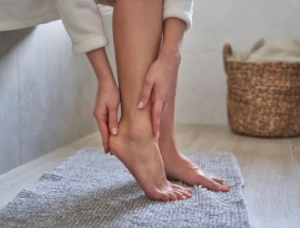

The feet are essential, yet often overlooked parts, of the body. With 26 bones, 33 joints, and a network of nerves and blood vessels, the feet provide the stability and balance necessary for every step you take. When issues arise, whether it is discomfort or more serious conditions, the pain can be intense and disrupt daily life. This is particularly true for those with diabetes, as foot complications can quickly escalate into severe problems. Ignoring foot health can lead to chronic pain, mobility problems, and even severe conditions like infections or deformities. Wearing shoes that fit properly and taking time for foot care are key to preventing these issues. A podiatrist can help diagnose foot problems early and offer solutions, from custom orthotics to treatment for existing conditions. They can guide you in maintaining healthy feet and prevent further complications. If you are dealing with foot pain, it is suggested that you make an appointment with a podiatrist.
Everyday foot care is very important to prevent infection and other foot ailments. If you need your feet checked, contact Tanisha Richmond, DPM from Richmond Foot & Ankle, LLC. Our doctor can provide the care you need to keep you pain-free and on your feet.
Everyday Foot Care
Often, people take care of their bodies, face and hair more so than they do for their feet. But the feet are a very important aspect of our bodies, and one that we should pay more attention to. Without our feet, we would not be able to perform most daily tasks.
It is best to check your feet regularly to make sure there are no new bruises or cuts that you may not have noticed before. For dry feet, moisturizer can easily be a remedy and can be applied as often as necessary to the affected areas. Wearing shoes that fit well can also help you maintain good foot health, as well as making it easier to walk and do daily activities without the stress or pain of ill-fitting shoes, high heels, or even flip flops. Wearing clean socks with closed shoes is important to ensure that sweat and bacteria do not accumulate within the shoe. Clean socks help to prevent Athlete’s foot, fungi problems, bad odors, and can absorb sweat.
If you have any questions, please feel free to contact our office located in Dayton, OH . We offer the newest diagnostic and treatment technologies for all your foot care needs.
Published in Blog
Tagged under
Tuesday, 10 February 2026 00:00
Every Day Foot Care
Our feet are important in our everyday lives. The problem is that we tend to neglect them. When this becomes a habit, it can cause significant trouble. Ignoring foot problems can mean pain, limited mobility, and expensive doctor's visits. On the other hand, if feet are cared for and looked after regularly, they will perform without pain or complication.
Routine hygiene is the most basic way to care for the feet. Wash and dry them thoroughly daily. Remember to get between the toes and keep the toenails trimmed and short. If the feet feel dry or there are signs of dryness or cracking, use a moisturizer designed for the feet.
When using moisturizer on the feet, try to avoid applying between the toes. If cream or lotion sits too long, they can cause fungal and bacterial growth. When moisturizer is used between the toes, it can also cause the skin to soften too much.
Shoes are also an important aspect of foot care. When one is picking out shoes, make sure they are the correct size. Shoes need to be snug, but not too tight. On the other hand, if shoes are too loose they can cause foot problems as well. It is highly recommended that shopping for new shoes be done later in the day. The reason for this is that the feet will have settled and swelled to their full size by then. To keep your feet at their most healthy, avoid wearing high heels or flip flops too often. Instead, choose shoes that are good for your feet. Good shoes pad the soles of your feet and support the arches and ankles.
Socks should also be worn daily with closed-toe shoes. They may feel hot during the summer months, but they absorb sweat and moisture off the feet. Without socks, the build-up of sweat in a closed-toe shoe can cause fungal problems and athlete's foot.
The best thing to remember in every day foot care is that shoes do make a difference. If you spend a lot of time on your feet, make sure that your shoes show no signs of wear. Shoes should offer ample support for the arches and the overall foot. Additionally, try to make foot cleaning and maintenance a daily habit. If you keep these things in mind, your feet will stay healthy and safe.
Published in Featured
Tagged under
Friday, 06 February 2026 00:00
Heel Pain Can Be Treated!
Do you suffer from heel pain when you get up in the morning? If so, you should seek professional help and have a proper diagnosis performed. Heel pain can be caused by several different foot-related conditions.
Published in Blog
Tagged under
Tuesday, 03 February 2026 00:00
Understanding Curved Nails
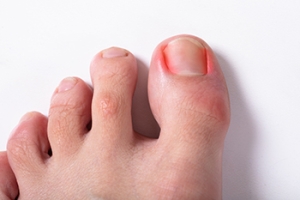

Curved nails are a condition where the nail plate bends inward as it grows, creating a rounded or pinched appearance at the edges. This differs from ingrown toenails, which occur when the nail edge breaks into the surrounding skin and causes inflammation. Curved nails may develop due to genetic tendencies, repetitive pressure, fungal infection, or underlying medical issues such as a thyroid disorder. Symptoms often include nail thickening, discoloration, tenderness, and difficulty trimming the nail properly. Risk factors include poor circulation, wearing improper footwear, chronic moisture, and systemic health conditions. A podiatrist can evaluate the nail structure, treat fungal causes, address contributing health concerns, and provide safe nail care solutions. If curved or ingrown nails are causing discomfort, it is suggested that you consult a podiatrist who can provide effective relief solutions.
Ingrown toenails may initially present themselves as a minor discomfort, but they may progress into an infection in the skin without proper treatment. For more information about ingrown toenails, contact Tanisha Richmond, DPM of Richmond Foot & Ankle, LLC. Our doctor can provide the care you need to keep you pain-free and on your feet.
Ingrown Toenails
Ingrown toenails are caused when the corner or side of a toenail grows into the soft flesh surrounding it. They often result in redness, swelling, pain, and in some cases, infection. This condition typically affects the big toe and may recur if it is not treated properly.
Causes
- Improper toenail trimming
- Genetics
- Improper shoe fitting
- Injury from pedicures or nail picking
- Abnormal gait
- Poor hygiene
You are more likely to develop an ingrown toenail if you are obese, have diabetes, arthritis, or have any fungal infection in your nails. Additionally, people who have foot or toe deformities are at a higher risk of developing an ingrown toenail.
Symptoms
Some symptoms of ingrown toenails are redness, swelling, and pain. In rare cases, there may be a yellowish drainage coming from the nail.
Treatment
Ignoring an ingrown toenail can have serious complications. Infections of the nail border can progress to a deeper soft-tissue infection, which can then turn into a bone infection. You should always speak with your podiatrist if you suspect you have an ingrown toenail, especially if you have diabetes or poor circulation.
If you have any questions, please feel free to contact our office located in Dayton, OH . We offer the newest diagnostic and treatment technologies for all your foot care needs.
Published in Blog
Tagged under
Tuesday, 03 February 2026 00:00
Ingrown Toenail Care
An ingrown toenail is a nail that has curved downward and grows into the skin. This typically occurs at the nail borders, or the sides of the nail. As a result, pain, redness, swelling, and warmth may occur in the toe. If a break in the skin forms due to the ingrown nail, bacteria may enter and cause an infection in the area; this is typically characterized by a foul odor and drainage.
Ingrown toenails have multiple reasons for developing. In many instances, the condition is a result of genetics and is inherited. The most common cause, however, is improper trimming; cutting the toenails too short forces the skin beside the nail to fold over. An ingrown toenail can also develop due to trauma, such as stubbing the toe, having an object fall on the toe, or participating in activities that involve repeated kicking or running. Wearing shoes that are too tight or too short can also cause ingrown toenails.
Treatment for an ingrown toenail varies between patients and the severity of the condition. Milder cases that don’t involve infection or other medical conditions can benefit from soaking the feet in room-temperature water and gently massaging the side of the nail. In most cases, however, it is best to see your podiatrist for thorough and proper treatment. After examining your toe, your podiatrist may prescribe oral antibiotics to clear the infection if one is present. Surgical removal of either a portion of the nail or the entire nail may also be considered. In some cases, complete removal or destruction of the nail root may be required. Most patients who undergo nail surgery experience minimal pain afterward and can return to normal activity the following day.
Ingrown toenails can be prevented with proper nail trimming and by avoiding improper-fitting shoes. When cutting the toenails, be sure that you are cutting in a straight line and avoid cutting them too short. Shoes should not be too short or tight in the toe box.
Published in Featured
Tagged under
Tuesday, 27 January 2026 00:00
Proper Foot Care Tips for Trail Running


Because trail running challenges the feet with constant impact and shifting terrain, proper preparation is needed to keep them healthy and strong. Experts recommend wearing trail shoes that fit securely through the heel and midfoot while allowing enough room in the toe box to prevent pressure on the toenails. Moisture-wicking socks are also suggested to reduce friction and keep the skin dry, which helps prevent blisters and irritation. Many trail runners benefit from shoes with good traction and support around the arch and ankle to handle uneven ground and quick directional changes. Paying attention to how the laces are tied can improve stability on steep trails. A podiatrist can evaluate your running mechanics, provide guidance on shoe selection, and offer treatment if discomfort or injury develops. If you experience foot or ankle pain while trail running, it is suggested that you make an appointment with a podiatrist for a diagnosis and treatment.
All runners should take extra precaution when trying to avoid injury. If you have any concerns about your feet, contact Tanisha Richmond, DPM of Richmond Foot & Ankle, LLC. Our doctor will treat your foot and ankle needs.
How to Prevent Running Injuries
There are a lot of mistakes a runner can make prior to a workout that can induce injury. A lot of athletes tend to overstretch before running, instead of saving those workouts for a post-run routine. Deep lunges and hand-to-toe hamstring pulls should be performed after a workout instead of during a warmup. Another common mistake is jumping into an intense routine before your body is physically prepared for it. You should try to ease your way into long-distance running instead of forcing yourself to rush into it.
More Tips for Preventing Injury
- Incorporate Strength Training into Workouts - This will help improve the body’s overall athleticism
- Improve and Maintain Your Flexibility – Stretching everyday will help improve overall performance
- “Warm Up” Before Running and “Cool Down” Afterward – A warm up of 5-10 minutes helps get rid of lactic acid in the muscles and prevents delayed muscle soreness
- Cross-Training is Crucial
- Wear Proper Running Shoes
- Have a Formal Gait Analysis – Poor biomechanics can easily cause injury
If you have any questions, please feel free to contact our office located in Dayton, OH . We offer the newest diagnostic and treatment technologies for all your foot care needs.
Published in Blog
Tagged under