Connect With Us

Tuesday, 21 April 2026 00:00
How Foot Pain Alters Strength and Weight Distribution
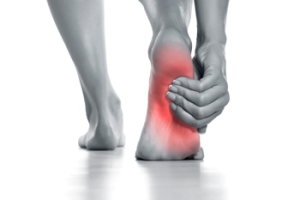
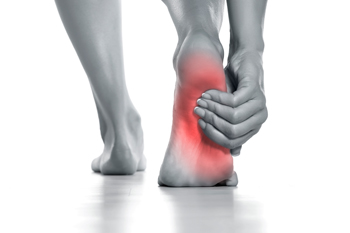
Foot pain often changes how force moves through the foot and how muscles respond. When a certain area hurts, the body naturally unloads that spot, shifting weight elsewhere. With heel discomfort, people may place more load toward the front of the foot, which increases demand on the forefoot and smaller stabilizing muscles. Pain under the ball of the foot can lead to rolling weight toward the heel or along the outer border, affecting balance and muscle control. Arch- related problems may reduce the foot’s ability to support weight evenly, leading to fatigue and strain in nearby muscles. Over time, some muscles become overused while others lose strength, creating imbalance. Care may include targeted strengthening, improved footwear, custom orthotics, and a walking assessment. Because these patterns can worsen without care, if you have foot pain, it is suggested that you see a podiatrist for a proper diagnosis and appropriate treatment.
Foot Pain
Foot pain can be extremely painful and debilitating. If you have a foot pain, consult with Tanisha Richmond, DPM from Richmond Foot & Ankle, LLC. Our doctor will assess your condition and provide you with quality foot and ankle treatment.
Causes
Foot pain is a very broad condition that could be caused by one or more ailments. The most common include:
- Bunions
- Hammertoes
- Plantar Fasciitis
- Bone Spurs
- Corns
- Tarsal Tunnel Syndrome
- Ingrown Toenails
- Arthritis (such as Gout, Rheumatoid, and Osteoarthritis)
- Flat Feet
- Injury (from stress fractures, broken toe, foot, ankle, Achilles tendon ruptures, and sprains)
- And more
Diagnosis
To figure out the cause of foot pain, podiatrists utilize several different methods. This can range from simple visual inspections and sensation tests to X-rays and MRI scans. Prior medical history, family medical history, and any recent physical traumatic events will all be taken into consideration for a proper diagnosis.
Treatment
Treatment depends upon the cause of the foot pain. Whether it is resting, staying off the foot, or having surgery; podiatrists have a number of treatment options available for foot pain.
If you have any questions, please feel free to contact our office located in Dayton, OH . We offer the newest diagnostic and treatment technologies for all your foot care needs.
Published in Blog
Tagged under
Tuesday, 21 April 2026 00:00
Foot Pain
The feet, being the foundation of the body, carry all of the body’s weight and are therefore prone to experiencing pain and discomfort. If you are experiencing foot pain, it is important to determine where in the foot you are experiencing this pain to help discover the cause of it. While pain can be experienced virtually anywhere in the foot, the most common sites of foot pain are in the heel and ankle.
Heel pain can be due to a multitude of conditions including plantar fasciitis, Achilles tendinitis, and heel spurs. Pain experienced in the ankle can be a sign of an ankle sprain, arthritis, gout, ankle instability, ankle fracture, or nerve compression. In more serious cases, pain in the foot can be a sign of improper alignment or an infection.
Foot pain can be accompanied by symptoms including redness, swelling, stiffness and warmth in the affected area. Whether the pain can be described as sharp or dull depends on the foot condition behind it. It is important to visit your local podiatrist if your foot pain and its accompanying symptoms persist and do not improve over time.
Depending on the location and condition of your foot pain, your podiatrist may prescribe certain treatments. These treatments can include but are not limited to prescription or over-the-counter drugs and medications, certain therapies, cortisone injections, or surgery.
If you are experiencing persistent foot pain, it is important to consult with your foot and ankle specialist to determine the cause and location. He or she will then prescribe the best treatment for you. While milder cases of foot pain may respond well to rest and at-home treatments, more serious cases may take some time to fully recover.
Published in Featured
Tagged under
Friday, 17 April 2026 00:00
Arthritis Can Cause Pain in the Feet and Ankles


If you are suffering from tenderness, pain, or stiffness in the joints of your feet or ankles, call us to schedule an appointment.
Published in Blog
Tagged under
Thursday, 16 April 2026 00:00
Custom Orthotics For Outdoor Activity


Embrace the great outdoors with confidence and comfort! Whether you're hiking, jogging, or exploring nature, Custom Orthotics are your perfect companion. Tailored to your foot's unique needs, they provide stability on uneven terrains and cushioning for those longer adventures. Don't let foot discomfort limit your outdoor experiences. With Custom Orthotics, every step is supported and secure. Call today to schedule an appointment.
Published in Blog
Tagged under
Tuesday, 14 April 2026 00:00
Treatment For Cracked Heels
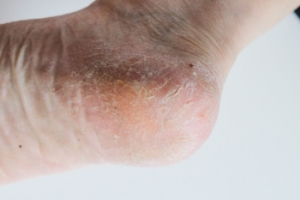

Cracked heels develop when the skin on the back of the foot becomes dry, thick, and less flexible, eventually splitting under pressure. These splits can be tender, unsightly, and sometimes deep enough to cause bleeding or infection. Restoring comfort begins with softening the skin so it can heal. Warm water soaks help loosen the outer layers, and applying a rich, emollient cream afterward locks in moisture. Regular use of products that gently break down thickened skin can also improve texture over time. Wearing supportive footwear with closed backs helps reduce pulling on the skin and prevents further cracking. Keeping socks on after moisturizing encourages better absorption and protects healing tissue. Because deeper fissures can lead to complications, especially for individuals with diabetes or circulation concerns, any persistent or painful cracking deserves attention. If your cracked heels are not improving or feel increasingly uncomfortable, it is suggested that you see a podiatrist for proper treatment and guidance.
If the skin on your feet starts to crack, you may want to see a podiatrist to find treatment. If you have any concerns, contact Tanisha Richmond, DPM from Richmond Foot & Ankle, LLC. Our doctor can provide the care you need to keep you pain-free and on your feet.
Cracked Heels
It is important to moisturize your cracked heels in order to prevent pain, bleeding, and infection. The reason cracked heels form is because the skin on the foot is too dry to support the immense pressure placed on them. When the foot expands, the dry skin on the foot begins to split.
Ways to Help Heal Them
- Invest in a good foot cream
- Try Using Petroleum Jelly
- Ease up on Soaps
- Drink Plenty of Water
Ways to Prevent Cracked Heels
- Moisturize After Showering
- Skip a Shower
- Keep Shower Water Lukewarm
- Don’t Scrub Your Feet
If you are unsure how to proceed in treating cracked heels, seek guidance from a podiatrist. Your doctor will help you with any questions or information you may need.
If you have any questions, please feel free to contact our office located in Dayton, OH . We offer the newest diagnostic and treatment technologies for all your foot care needs.
Published in Blog
Tagged under
Tuesday, 14 April 2026 00:00
Solutions for Cracked Heels
Cracked heels may make you want to think twice about showing off your feet in warmer weather. However, cracked heels may be harmful to more than just the appearance of your feet. If deep fissures and cracks develop in your heels, they may make walking and standing painful for you. Additionally, these openings make way for germs to enter through your skin and cause infection.
There are several different causes of cracked heels. One of the most common reasons for this ailment is dry skin. This problem may make your keeps feel rough tight and itchy. Dry skin may be caused by cold air, extremely hot water, harsh soaps, and aging. Skin disorders such as eczema and psoriasis may eventually lead to dry skin. In some cases, complications may arise from cracked heels. Some of these complications are a loss of feeling in the heel, cellulitis, or a diabetic foot ulcer.
There are ways you can try to prevent getting cracked heels. One of the best ways to do so is to avoid wearing flip flops and sandals because these shoes increase your risk of drying out your feet. You should also avoid wearing shoes with a tall skinny heel, because these shoes cause your heel to expand sideways. At night, you should slather on a thick moisturizing cream on your feet and then cover them in socks to keep your feet moisturized overnight. Drinking water to stay hydrated is also a good way to ensure that your skin doesn’t become dry.
If you suffer from a severe case of cracked feet, you should make an appointment with your podiatrist to see what treatment methods are best for you.
Published in Featured
Tagged under
Thursday, 09 April 2026 00:00
Foot Health for Standing Workers
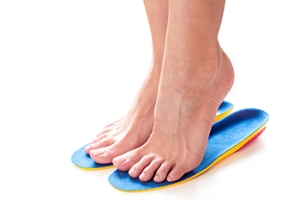
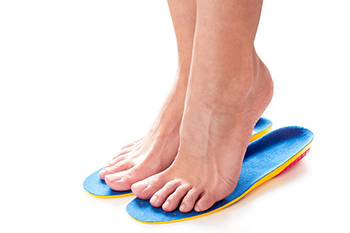
Foot health is important for workers who stand for long hours each day because constant pressure on the feet can lead to pain and other problems over time. Standing all day places stress on the heel, arch, and ball of the foot, which may lead to plantar fasciitis or general foot strain. Common causes include repeated weight bearing, poor alignment, and uneven pressure across the feet. Symptoms include aching heels, sore arches, swelling, tired feet, and pain that worsens as the day continues. This ongoing strain may also affect the ankles, knees, and lower back. Orthotics can help by supporting the feet, improving alignment, and spreading pressure more evenly when standing and walking. This type of treatment can reduce pain, improve balance, and help the body move better. If foot pain continues or begins to affect your daily work, it is suggested that you schedule an appointment with a podiatrist to discuss orthotics.
Custom orthotics can make a remarkable difference in daily comfort and mobility by supporting the feet in their most natural and balanced position. Because the feet form the foundation for the entire body, any imbalance can affect not only how a person walks, but also how the knees, hips, and spine align. Over time, this can lead to fatigue, pain, or reduced movement. Custom orthotics are designed to restore stability and promote proper alignment, which can transform the way a person feels and functions throughout the day.
People who wear custom orthotics often experience improved posture, less joint strain, and greater endurance during work, exercise, and leisure activities. The support they provide helps relieve chronic discomfort from conditions such as plantar fasciitis, flat feet, and heel pain, while also reducing the risk of future injuries. For those who stand for long hours or engage in sports, orthotics can make movement smoother and more efficient, allowing the body to perform at its best without unnecessary stress.
Each pair of custom orthotics is created after a detailed evaluation of foot structure, gait, and pressure distribution. By addressing each person’s unique needs, they offer comfort and confidence with every step.
If you are experiencing ongoing foot discomfort or fatigue, it is suggested that you contact our office for more information or to make an appointment.
If you have any questions, please feel free to contact our office located in Dayton, OH .
Published in Blog
Tagged under
Thursday, 09 April 2026 00:00
Sole Marketing Foot Discomfort
Foot discomfort can affect every step, making daily routines and activities more difficult. Custom orthotics offer a personalized solution by addressing the underlying causes of pain rather than masking the symptoms. These medical-grade inserts are designed to match the unique shape and movement of your feet, providing support where it is needed most. By improving balance and alignment, custom orthotics help reduce strain on the heels, arches, and forefoot, promoting a more natural and comfortable stride.
Many people experience foot discomfort from standing long hours on hard surfaces, wearing unsupportive shoes, or dealing with structural issues such as fallen arches. When these problems are ignored, they can lead to discomfort in the ankles, knees, hips, or back. Custom orthotics help correct these imbalances by cushioning pressure points and guiding proper movement with every step.
Made using precise digital scans or molds, custom orthotics are crafted to fit your lifestyle, whether for work, sports, or everyday wear. They provide consistent relief and help prevent pain from returning. Over time, many patients notice improved comfort, posture, and mobility.
Published in Featured
Tagged under
Tuesday, 07 April 2026 00:00
Why Orthotics Matter for Common Foot Conditions
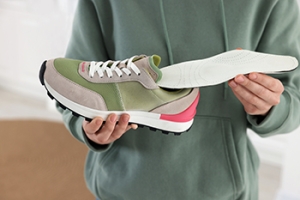
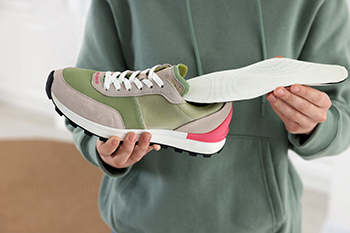
Foot orthotics are designed to support proper alignment, relieve pressure, and improve overall foot function. They are often recommended for conditions like bunions and hammertoe, where abnormal structure can lead to pain and discomfort. Orthotics help redistribute weight across the foot, reducing strain on affected areas and slowing progression of deformities. There are different types available, including custom and prefabricated options, each suited to specific needs and activity levels. By improving balance and cushioning, orthotics can enhance comfort during daily activities. A podiatrist can evaluate your foot structure and recommend the most effective orthotic solution tailored to your condition. If you have foot pain or notice changes in toe alignment,it is suggested that you consult a podiatrist who can determine what type of orthotics are right for you.
If you are having discomfort in your feet and would like to try orthotics, contact Tanisha Richmond, DPM from Richmond Foot & Ankle, LLC. Our doctor can provide the care you need to keep you pain-free and on your feet.
What Are Orthotics?
Orthotics are inserts you can place into your shoes to help with a variety of foot problems such as flat feet or foot pain. Orthotics provide relief and comfort for minor foot and heel pain but can’t correct serious biomechanical problems in your feet.
Over-the-Counter Inserts
Orthotics come in a wide variety of over-the-counter inserts that are used to treat foot pain, heel pain, and minor problems. For example, arch supports can be inserted into your shoes to help correct overarched or flat feet, while gel insoles are often used because they provide comfort and relief from foot and heel pain by alleviating pressure.
Prescription Orthotics
If over-the-counter inserts don’t work for you or if you have a more severe foot concern, it is possible to have your podiatrist prescribe custom orthotics. These high-quality inserts are designed to treat problems such as abnormal motion, plantar fasciitis, and severe forms of heel pain. They can even be used to help patients suffering from diabetes by treating foot ulcers and painful calluses and are usually molded to your feet individually, which allows them to provide full support and comfort.
If you are experiencing minor to severe foot or heel pain, it’s recommended to speak with your podiatrist about the possibilities of using orthotics. A podiatrist can determine which type of orthotic is right for you and allow you to take the first steps towards being pain-free.
If you have any questions, please feel free to contact our office located in Dayton, OH . We offer the newest diagnostic and treatment technologies for all your foot care needs.
Published in Blog
Tagged under
Tuesday, 07 April 2026 00:00
Ankle Foot Orthotics for Athletes
Ankle foot orthotics are shoe inserts that offer support to control the placement and movement of the ankle, correct deformities, and compensate for weakness. These inserts are used to stabilize the foot and ankle and provide toe clearance during the swing phase of gate.
Athletes often suffer foot problems because their feet are not being supported within the shoe. Ankle and foot orthotics are custom made inserts that alleviate stress on the foot. However custom orthotics should be prescribed by a podiatrist who specializes in customized footwear and orthotics design. These inserts are used by athletes for different reasons. Runners use orthotics to absorb shock at heel contact and to set up the forefoot for push-off. Basketball players wear them to control their forefeet while jumping and running.
The two main types of orthotics are over-the-counter orthotics and custom-made orthotics. To be eligible for custom orthotics, an examination of the foot and ankle will need to be completed. Afterward, both the foot and ankle will need to be casted and fitted for the proper orthotic. When the fitting process is complete, adjustments can be made to make sure everything fits perfectly.
Over the counter orthotics tend to be more popular than custom fit ones. Athletes who have less severe aches and pains in the foot, ankle or lower back area can use the over-the-counter version of orthotics. Unfortunately, over-the-counter orthotics tend to not work in treating severe injuries or ailments. Whenever you suspect you may need an ankle foot orthotic, you should consult with your podiatrist to determine which type of orthotic is right for you.
Published in Featured
Tagged under