Peripheral artery disease, or PAD, is a circulatory condition that develops when arteries become narrowed by fatty deposits, reducing blood flow to the legs and feet. Because healthy circulation delivers oxygen to muscles and skin, reduced blood supply can affect walking comfort and wound healing. One common symptom is pain while walking that improves with rest, a pattern known as claudication. Some people also experience leg cramps or numbness in their feet. Recognizing these warning signs early is important because PAD can increase the risk of serious circulation problems.
Atherosclerosis, which causes plaque to build up inside arteries, is the most common cause of PAD. Smoking damages blood vessels and greatly increases the risk of developing this condition. Other risk factors include diabetes, high blood pressure, and high cholesterol. Age and family history can also contribute. People with diabetes may face additional concerns because nerve damage can make foot injuries harder to notice. When circulation is reduced, even a small blister or cut may heal slowly and become vulnerable to infection.
Changes in foot appearance can provide further clues that circulation needs attention. The skin may look pale, bluish, or unusually shiny, while toenails may grow more slowly. Feet may feel colder than usual, and numbness or weakness can develop. In advanced cases, pain may occur even while resting, or sores may fail to heal. Sudden severe foot pain with coldness, discoloration, or loss of sensation requires emergency medical care because it may signal an acute blockage.
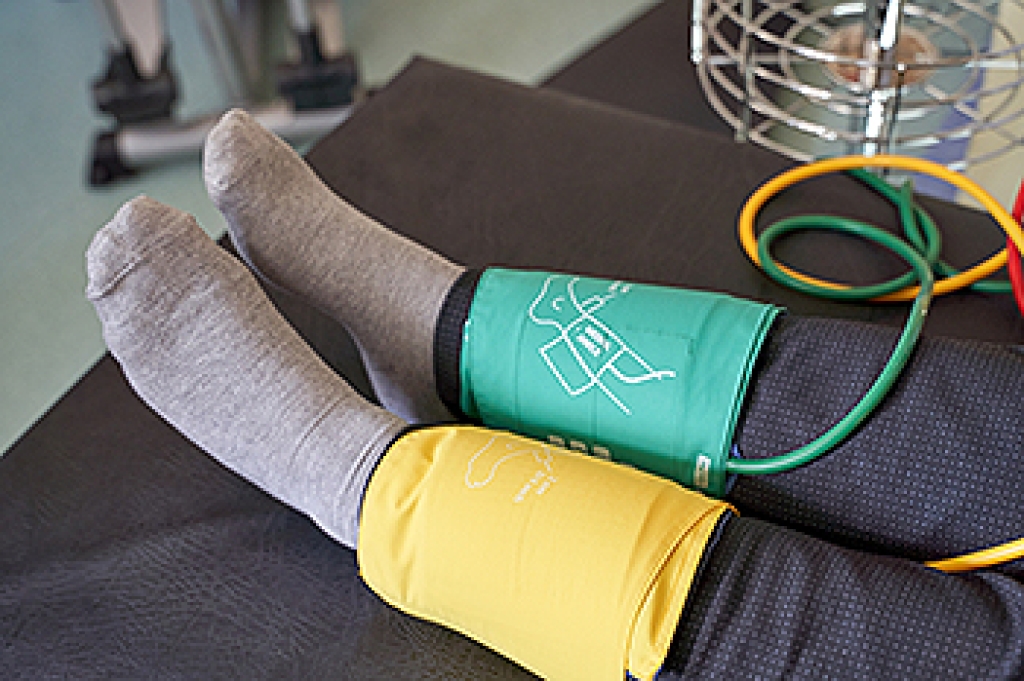
A podiatrist examines your feet, checks pulses, and evaluates wounds. An ankle-brachial index or vascular imaging may help identify reduced blood flow. Treatment options include smoking cessation, prescribed medication, and recommendations for protective footwear. If you have symptoms of PAD, it is suggested that you consult a podiatrist for an accurate diagnosis and appropriate treatment.
Peripheral artery disease can pose a serious risk to your health. It can increase the risk of stroke and heart attack. If you have symptoms of peripheral artery disease, consult with Tanisha Richmond, DPM from Richmond Foot & Ankle, LLC. Our doctor will assess your condition and provide you with quality foot and ankle treatment.
Peripheral artery disease (PAD) is when arteries are constricted due to plaque (fatty deposits) build-up. This results in less blood flow to the legs and other extremities. The main cause of PAD is atherosclerosis, in which plaque builds up in the arteries.
Symptoms
Symptoms of PAD include:
- Claudication (leg pain from walking)
- Numbness in legs
- Decrease in growth of leg hair and toenails
- Paleness of the skin
- Erectile dysfunction
- Sores and wounds on legs and feet that won’t heal
- Coldness in one leg
It is important to note that a majority of individuals never show any symptoms of PAD.
Diagnosis
While PAD occurs in the legs and arteries, Podiatrists can diagnose PAD. Podiatrists utilize a test called an ankle-brachial index (ABI). An ABI test compares blood pressure in your arm to you ankle to see if any abnormality occurs. Ultrasound and imaging devices may also be used.
Treatment
Fortunately, lifestyle changes such as maintaining a healthy diet, exercising, managing cholesterol and blood sugar levels, and quitting smoking, can all treat PAD. Medications that prevent clots from occurring can be prescribed. Finally, in some cases, surgery may be recommended.
If you have any questions, please feel free to contact our office located in Dayton, OH . We offer the newest diagnostic and treatment technologies for all your foot care needs.