Diabetic foot refers to problems that develop as a result of diabetes and its effects on nerves, circulation, skin, and healing. Diabetic neuropathy can reduce sensation, making it difficult to notice pressure, irritation, or an injury. Symptoms include numbness, tingling, or wounds that heal slowly. Some people may also develop calluses or areas of increased pressure without realizing that repeated stress is damaging the skin. Early recognition of diabetic foot symptoms is important, because a small injury can become more difficult to treat when sensation and circulation are reduced.
Several risk factors can increase the likelihood of diabetic foot complications. Poor blood sugar control, peripheral neuropathy, and structural foot changes can all increase vulnerability. Common causes of diabetic foot problems include repeated pressure, minor injuries, and poor circulation. When nerves are affected, protective pain signals may not work normally. Reduced blood flow can also limit the oxygen and nutrients needed for healthy tissue repair, increasing the risk of delayed healing and infection.
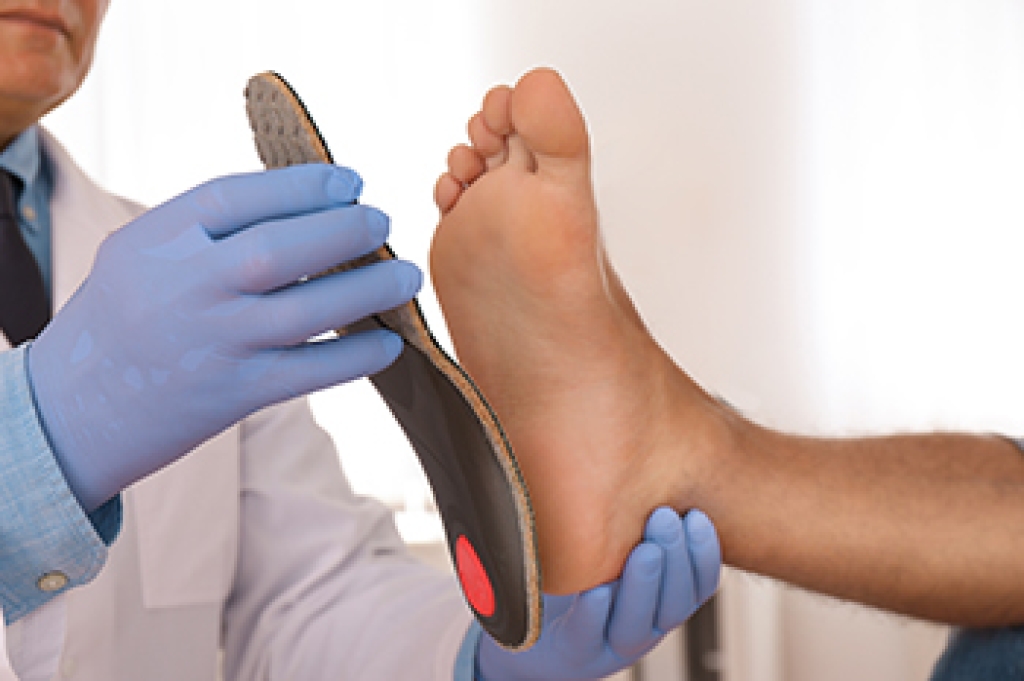
Orthotics can help diabetic foot health by redistributing pressure across the foot and reducing stress on vulnerable areas. Custom orthotics may be designed to accommodate deformities, support proper alignment, and provide cushioning where it is needed. A podiatrist begins by examining the feet, checking sensation and circulation, and identifying areas exposed to excessive pressure. This foot doctor may then recommend custom orthotics and appropriate footwear based on the patient’s specific needs. Follow-up visits allow the podiatrist to inspect the skin, evaluate comfort, and adjust the orthotics if pressure patterns change.
Orthotics are not a replacement for daily diabetic foot care, but they can be an important part of a comprehensive treatment plan. Patients should regularly check their feet for changes and report wounds, swelling, discoloration, or other concerns promptly. If you have diabetes, it is strongly suggested that you are under the care of a podiatrist who can discuss the benefits of orthotics with you.
Custom orthotics are often an effective solution for people experiencing heel pain, offering both comfort and correction for the underlying causes of discomfort. Heel pain commonly develops when the natural support of the foot becomes strained or imbalanced, leading to inflammation and irritation in the heel area. Conditions such as plantar fasciitis, heel spurs, or flat feet can all contribute to chronic heel pain that worsens with walking or standing. Custom orthotics are designed to fit the exact shape of your foot, providing the support and alignment necessary to reduce stress on the heel and surrounding tissues.
By redistributing pressure and improving overall foot mechanics, custom orthotics allow the heel to function more efficiently during movement. They cushion each step, absorb shock, and correct abnormal gait patterns that may be contributing to pain. Over time, this consistent support can ease inflammation, protect against re-injury, and enhance comfort during both daily and athletic activities.
Unlike prefabricated insoles, custom orthotics are created from a detailed evaluation that may include digital scans or molds of your feet. This ensures a precise and individualized fit that addresses your specific condition. They can be used in various types of footwear, from athletic shoes to dress styles, making them a versatile option for ongoing relief.
If heel pain is limiting your comfort or activity level, it is suggested that you call our office for more information or to schedule an appointment.
If you have any questions please contact our office located in Dayton, OH .