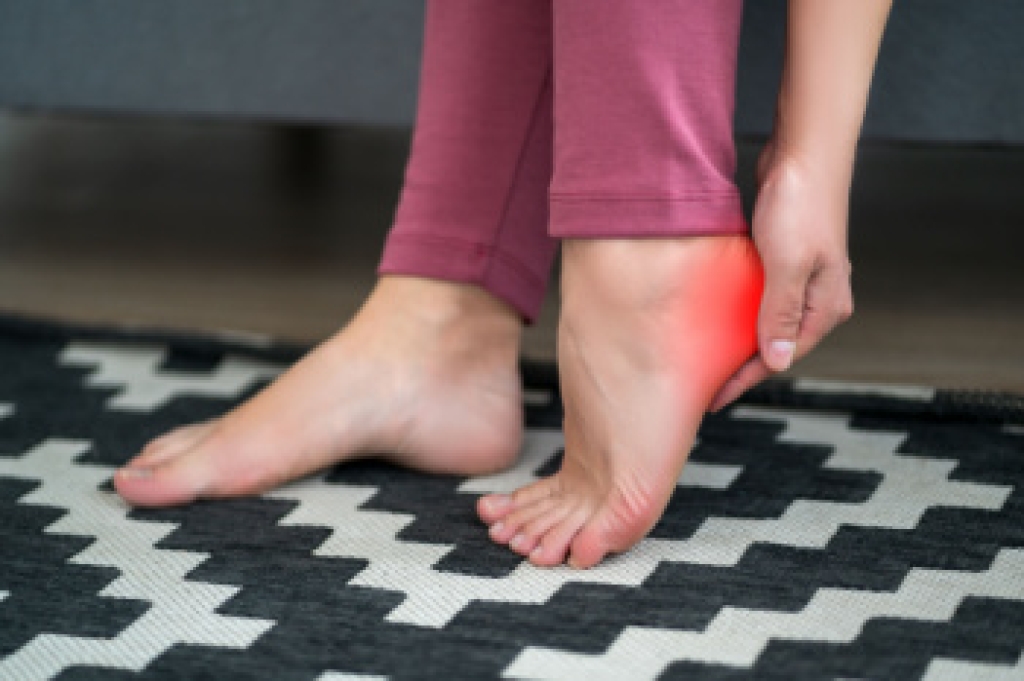
Heel Spurs and Heel Pain

Heel spurs are bony growths that develop on the heel bone and may be associated with heel pain. Two common types can form in different areas of the heel. A plantar heel spur develops on the bottom of the heel where the plantar fascia connects to the bone. The plantar fascia is a strong band of tissue that extends along the bottom of the foot. These heel spurs often have a hook-like shape and may occur with plantar fasciitis. Although heel spurs are common, many do not cause symptoms. The likelihood of developing bone spurs also increases with age.


Plantar heel spurs can develop as the bone responds to repeated stress. Strain on the foot muscles and ligaments, excessive stretching of the plantar fascia, or repeated damage to the heel bone lining may contribute to their formation. Heel spurs are also associated with obesity and osteoarthritis. Another type of heel spur can develop at the back of the heel where the Achilles tendon attaches to the bone. This type is associated with insertional Achilles tendonitis. The bone growth may irritate the Achilles tendon and contribute to further tendon damage or heel pain. This problem often develops gradually rather than following one specific injury.


A podiatrist can evaluate heel pain and determine whether a heel spur or a related foot problem may be involved. The location of discomfort can provide important information because heel spurs may develop on the bottom or back of the heel. A podiatrist can also assess how symptoms affect ankle movement and daily activities. Since many heel spurs do not cause pain, identifying the actual source of discomfort is an important part of determining appropriate treatment. Heel pain associated with the Achilles tendon may become worse when running, jumping, or climbing stairs. If ongoing heel pain is interfering with comfortable walking or physical activity, it is suggested that you consult a podiatrist for an evaluation and appropriate treatment options.

Heel spurs can be incredibly painful and sometimes may make you unable to participate in physical activities. To get medical care for your heel spurs, contact Tanisha Richmond, DPM from Richmond Foot & Ankle, LLC. Our doctor will do everything possible to treat your condition.

Heels Spurs

Heel spurs are formed by calcium deposits on the back of the foot where the heel is. This can also be caused by small fragments of bone breaking off one section of the foot, attaching onto the back of the foot. Heel spurs can also be bone growth on the back of the foot and may grow in the direction of the arch of the foot.

Older individuals usually suffer from heel spurs and pain sometimes intensifies with age. One of the main condition's spurs are related to is plantar fasciitis.

Pain

The pain associated with spurs is often because of weight placed on the feet. When someone is walking, their entire weight is concentrated on the feet. Bone spurs then have the tendency to affect other bones and tissues around the foot. As the pain continues, the feet will become tender and sensitive over time.

Treatments

There are many ways to treat heel spurs. If one is suffering from heel spurs in conjunction with pain, there are several methods for healing. Medication, surgery, and herbal care are some options.

If you have any questions, please feel free to contact our office located in Dayton, OH . We offer the newest diagnostic and treatment technologies for all your foot care needs.

Read more about How to Treat Heel Spurs

What Causes Toenail Fungus and How It Is Treated

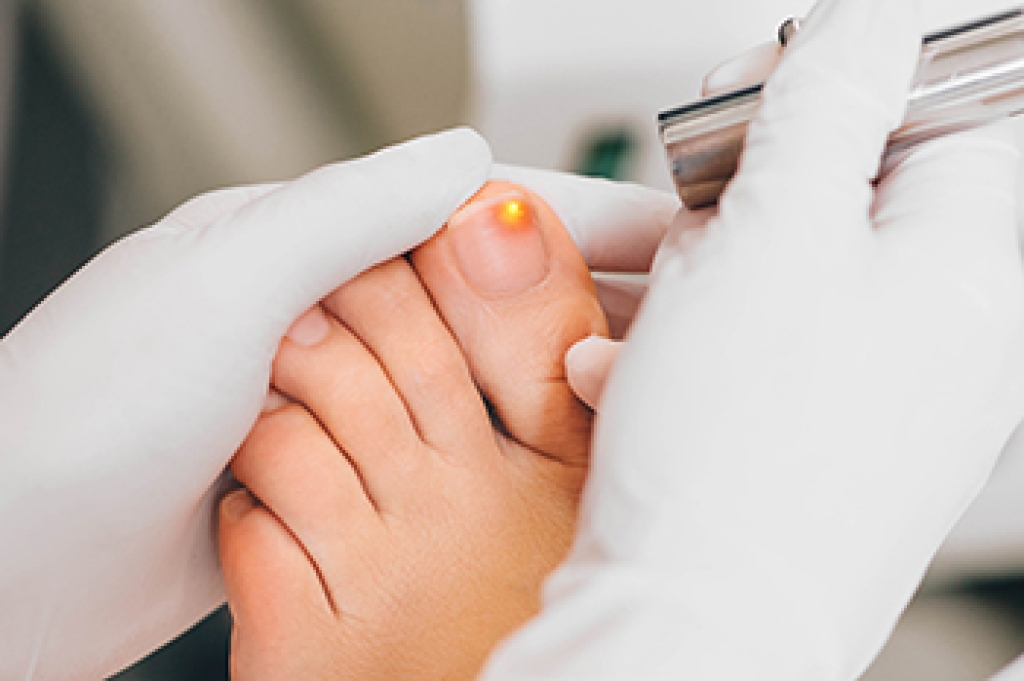
Toenail fungus develops when fungi infect a toenail and begin changing its color, thickness, or texture. The infection usually starts near the edge or corner of the nail and can spread across it. Signs include yellow or white discoloration, thickening, and brittle or crumbly edges. The nail can also become difficult to trim. In more advanced cases, it can lift away from the nail bed or break. Pain is not always present at first. However, a thickened nail can press against the inside of a shoe and make walking uncomfortable.

The fungi linked to athlete’s foot cause many toenail-fungus infections. They grow well in warm, dark, and damp places. The infection from athlete’s foot can spread to a toenail or from one nail to another. Risk factors include damaged nails, sweaty feet, and wearing tight or non-breathable shoes. Shared areas like swimming pools and changing rooms can also expose feet to fungus. Toenail fungus can spread between people through direct contact or shared surfaces. Several other nail problems can resemble a fungal infection, so getting the correct diagnosis is important before treatment begins.

A podiatrist can examine the affected nail and determine whether fungus is responsible for the changes. When the diagnosis is uncertain, testing a small nail sample can help confirm the cause. Treatment can involve antifungal medication applied to the nail or prescription antifungal tablets for more severe infections. Toenails grow slowly, so a clear, healthy-looking nail can take many months to replace the damaged nail. A podiatrist can also monitor progress and address thick or painful nails that interfere with shoes or walking. If you have symptoms of toenail fungus, it is suggested that you schedule an appointment with a podiatrist for a diagnosis and appropriate treatment.

If left untreated, toenail fungus may spread to other toenails, skin, or even fingernails. If you suspect you have toenail fungus it is important to seek treatment right away. For more information about treatment, contact Tanisha Richmond, DPM of Richmond Foot & Ankle, LLC. Our doctor can provide the care you need to keep you pain-free and on your feet.

Symptoms

  • Warped or oddly shaped nails
  • Yellowish nails
  • Loose/separated nail
  • Buildup of bits and pieces of nail fragments under the nail
  • Brittle, broken, thickened nail

Treatment

If self-care strategies and over-the-counter medications does not help your fungus, your podiatrist may give you a prescription drug instead. Even if you find relief from your toenail fungus symptoms, you may experience a repeat infection in the future.

Prevention

In order to prevent getting toenail fungus in the future, you should always make sure to wash your feet with soap and water. After washing, it is important to dry your feet thoroughly especially in between the toes. When trimming your toenails, be sure to trim straight across instead of in a rounded shape. It is crucial not to cover up discolored nails with nail polish because that will prevent your nail from being able to “breathe”.

In some cases, surgical procedure may be needed to remove the toenail fungus. Consult with your podiatrist about the best treatment options for your case of toenail fungus.  

If you have any questions please contact our office located in Dayton, OH . We offer the newest diagnostic and treatment technologies for all your foot and ankle needs.

Read more about Treating Toenail Fungus

Bypass Bunion Surgery with Custom Orthotics

Considering bunion surgery? Think again. Custom Orthotics offer a non-surgical approach to reduce pain and restore foot function. Customized to your foot's structure, they realign and redistribute pressure, alleviating bunion discomfort. Experience the freedom of movement without the downtime and risks of surgery. Contact our office to make an appointment.

Running Shoes for Long-Distance Comfort

Long-distance running places repeated stress on the feet, ankles, and knees, making proper footwear important. Running shoes provide cushioning, support, and protection during repetitive movement. Wearing the wrong shoes may contribute to foot pain, heel discomfort, or aching joints. Risk factors include increasing mileage too quickly, wearing worn-out footwear, and shoes that do not match your foot shape or running mechanics.

When choosing shoes for long distance running, start with comfort and fit. Your toes should have enough room to move without allowing your foot to slide inside the shoe. Quality materials, secure construction, and appropriate cushioning can improve durability during training. Function also matters because runners need different levels of support, flexibility, and stability. Consider your running style and terrain. Road runners may benefit from responsive cushioning, while trail runners may need stronger traction and added protection.


Choosing the right running shoe can help reduce pressure during longer workouts. A podiatrist can evaluate your feet, walking pattern, and areas of tenderness when pain develops. Treatment may include activity modification, footwear recommendations, or custom orthotics, when appropriate. If symptoms continue, the podiatrist may recommend imaging or diagnostic testing to identify an underlying condition and guide treatment.


The best running shoe is not necessarily the most expensive or heavily cushioned option. It is the shoe that fits properly, supports your running style, and suits your terrain. It should remain comfortable throughout your mileage. Replace shoes when cushioning, tread, or structural support becomes worn. Pay attention to new pain because discomfort can signal that your footwear or training routine needs attention. If you have developed foot pain while running, it is suggested that you consult a podiatrist for effective relief tips, and guidance on choosing shoes for your running style. 

For more information about walking shoes versus running shoes, consult with Tanisha Richmond, DPM from Richmond Foot & Ankle, LLC. Our doctor can measure your feet to determine what your needs are and help you find an appropriate pair of footwear.

Foot Health: The Differences between Walking & Running Shoes

There are great ways to stay in shape: running and walking are two great exercises to a healthy lifestyle. It is important to know that running shoes and walking shoes are not interchangeable. There is a key difference on how the feet hit the ground when someone is running or walking. This is why one should be aware that a shoe is designed differently for each activity.

You may be asking yourself what the real differences are between walking and running shoes and the answers may shock you.

Differences

Walking doesn’t involve as much stress or impact on the feet as running does. However, this doesn’t mean that you should be any less prepared. When you’re walking, you land on your heels and have your foot roll forward. This rolling motion requires additional support to the feet.

Flexibility – Walking shoes are designed to have soft, flexible soles. This allows the walker to push off easily with each step.

If you have any questions, please feel free to contact our office located in Dayton, OH . We offer the newest diagnostic and treatment technologies for all your foot care needs.

Read more about Walking Shoes vs. Running Shoes

Connect With Us