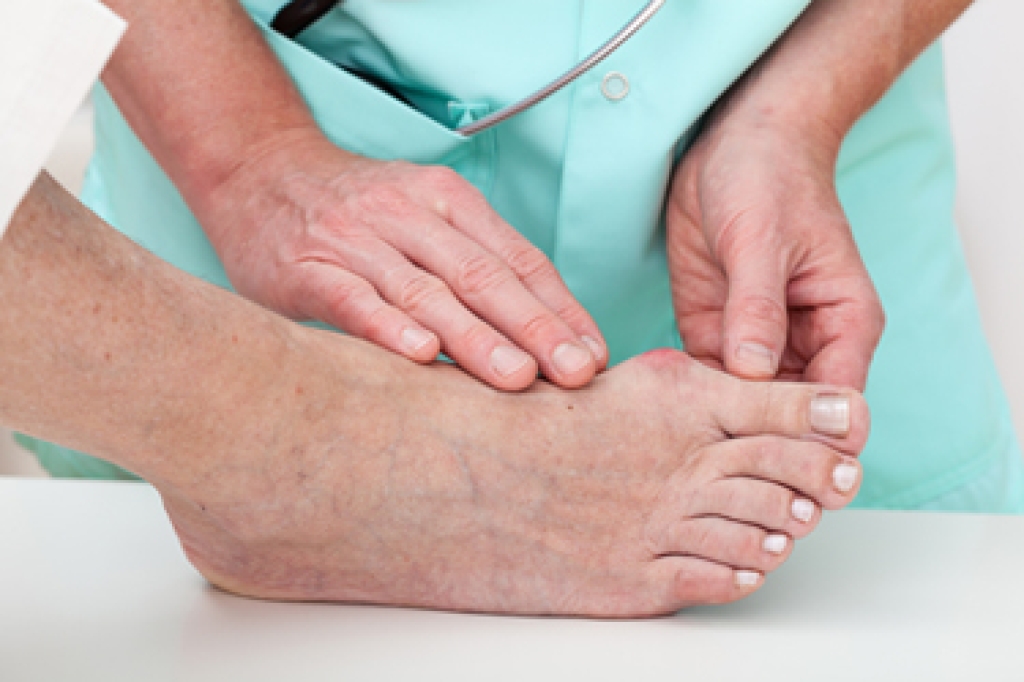
Different Forms of Gout

Gout results from a buildup of uric acid in the body and most commonly affects the big toe. Noticeable symptoms of gout are an intense burning pain, along with swelling and redness.  It is also possible to have a buildup of uric acid, but experience no symptoms. This form of gout is called asymptomatic gout. Additionally, there are acute gout symptoms, which can last for three to 10 days, but are not present outside of gout attacks. If gout goes untreated, it can lead to chronic gout, which is much harder to manage. Chronic gout can cause hard lumps to form in joints and tissues surrounding them. These lumps can cause permanent damage. If you think you are suffering from gout, then it is suggested that you speak with a podiatrist for help in managing this condition.

Gout is a foot condition that requires certain treatment and care. If you are seeking treatment, contact Tanisha Richmond, DPM from Richmond Foot & Ankle, LLC. Our doctor will treat your foot and ankle needs.

What Is Gout?

Gout is a type of arthritis caused by a buildup of uric acid in the bloodstream. It often develops in the foot, especially the big toe area, although it can manifest in other parts of the body as well. Gout can make walking and standing very painful and is especially common in diabetics and the obese.

People typically get gout because of a poor diet. Genetic predisposition is also a factor. The children of parents who have had gout frequently have a chance of developing it themselves.

Gout can easily be identified by redness and inflammation of the big toe and the surrounding areas of the foot. Other symptoms include extreme fatigue, joint pain, and running high fevers. Sometimes corticosteroid drugs can be prescribed to treat gout, but the best way to combat this disease is to get more exercise and eat a better diet.

If you have any questions, please feel free to contact our office located in Dayton, OH . We offer the newest diagnostic and treatment technologies for all your foot care needs.
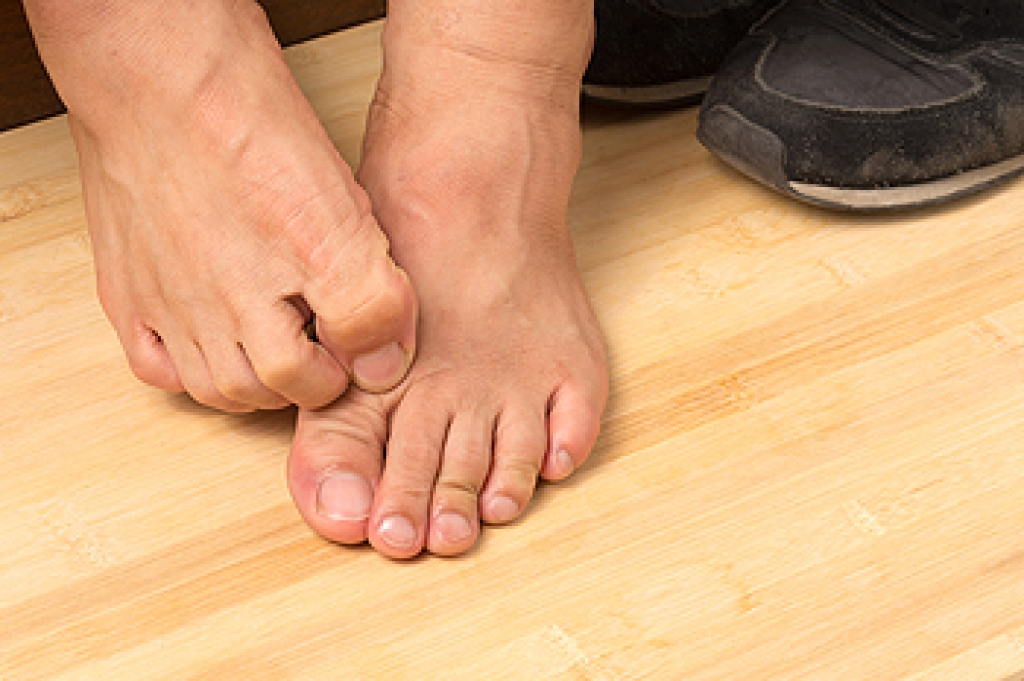

Read more about Everything You Need to Know About Gout

How to Avoid Athlete’s Foot

The fungus that causes athlete’s foot thrives in damp, dark, and warm places. That’s why you can contract athlete’s foot in locker rooms, changing areas in public pools, and other wet places where a lot of people walk or stand. Unsanitary practices in professional nail salons can also expose you to athlete’s foot. Mild cases typically present as fissures or patches between the toes, followed by itchy and red skin if the infection gets worse. You may experience blisters that can swell up between the toes or even on the bottoms of the feet and toenails. In the worst cases of athlete’s foot, you may develop a rash on the soles of the feet and there may be pus and an unpleasant order. To avoid athlete’s foot, you should always keep your feet clean and dry, change your socks daily, avoid sharing personal nail tools, and wear sandals in any wet, communal public place. If antifungal creams and powders do not get rid of the infection after two weeks, or your skin is peeling, itchy and covered in blisters, it is suggested that you seek the care of a podiatrist who can devise a successful treatment plan for you.

Athlete’s foot is an inconvenient condition that can be easily reduced with the proper treatment. If you have any concerns about your feet and ankles, contact Tanisha Richmond, DPM from Richmond Foot & Ankle, LLC.  Our doctor will treat your foot and ankle needs.

Athlete’s Foot: The Sole Story

Athlete's foot, also known as tinea pedis, can be an extremely contagious foot infection. It is commonly contracted in public changing areas and bathrooms, dormitory style living quarters, around locker rooms and public swimming pools, or anywhere your feet often come into contact with other people.

Solutions to Combat Athlete’s Foot

  • Hydrate your feet by using lotion
  • Exfoliate
  • Buff off nails
  • Use of anti-fungal products
  • Examine your feet and visit your doctor if any suspicious blisters or cuts develop

Athlete’s foot can cause many irritating symptoms such as dry and flaking skin, itching, and redness. Some more severe symptoms can include bleeding and cracked skin, intense itching and burning, and even pain when walking. In the worst cases, Athlete’s foot can cause blistering as well. Speak to your podiatrist for a better understanding of the different causes of Athlete’s foot, as well as help in determining which treatment options are best for you.

If you have any questions please feel free to contact our office located in Dayton, OH . We offer the newest diagnostic and treatment technologies for all your foot and ankle needs.

Read more about Athlete’s Foot

It's Time for Beautiful Feet

You don't need an excuse to have beautiful nails. Step outside without worrying about the appearance of your feet.

Custom Orthotics For Teen Athletes

Parents, support your athletic teens with Custom Orthotics! As they excel in sports and activities, their feet need optimal care. Custom Orthotics provide the right alignment, reducing fatigue and enhancing performance. They help absorb shocks, minimize injuries, and cater to their unique foot structure. Don't let foot discomfort sideline their passion. Invest in their comfort and athletic future by choosing Custom Orthotics from our office. Call today for an appointment.

Sever’s Disease in Growing Children

Sever’s disease is a common cause of heel pain in children and adolescents, especially during growth spurts. It occurs when the growth plate in the heel becomes inflamed due to repetitive stress or excessive activity. This condition is most often seen in active children who participate in running and jumping sports. Risk factors include tight calf muscles, poor footwear, flat feet, or rapid growth. Relief may come from rest, stretching, and supportive shoes to reduce strain on the heel. A podiatrist can provide an accurate diagnosis, recommend orthotics, and create a personalized treatment plan. If your child has heel pain that affects their activities, it is suggested that you consult a podiatrist for an accurate diagnosis and treatment options.

Sever's disease often occurs in children and teens. If your child is experiencing foot or ankle pain, see Tanisha Richmond, DPM from Richmond Foot & Ankle, LLC. Our doctor can treat your child’s foot and ankle needs.

Sever’s Disease

Sever’s disease is also known as calcaneal apophysitis, which is a medical condition that causes heel pain I none or both feet. The disease is known to affect children between the ages of 8 and 14.

Sever’s disease occurs when part of the child’s heel known as the growth plate (calcaneal epiphysis) is attached to the Achilles tendon. This area can suffer injury when the muscles and tendons of the growing foot do not keep pace with bone growth. Therefore, the constant pain which one experiences at the back of the heel will make the child unable to put any weight on the heel. The child is then forced to walk on their toes.

Symptoms

Acute pain – Pain associated with Sever’s disease is usually felt in the heel when the child engages in physical activity such as walking, jumping and or running.

Highly active – Children who are very active are among the most susceptible in experiencing Sever’s disease, because of the stress and tension placed on their feet.

If you have any questions, please feel free to contact our office located in Dayton, OH . We offer the newest diagnostic and treatment technologies for all your foot care needs.

Read more about Sever's Disease

Connect With Us