Common Causes and Risk Factors of Heel Pain

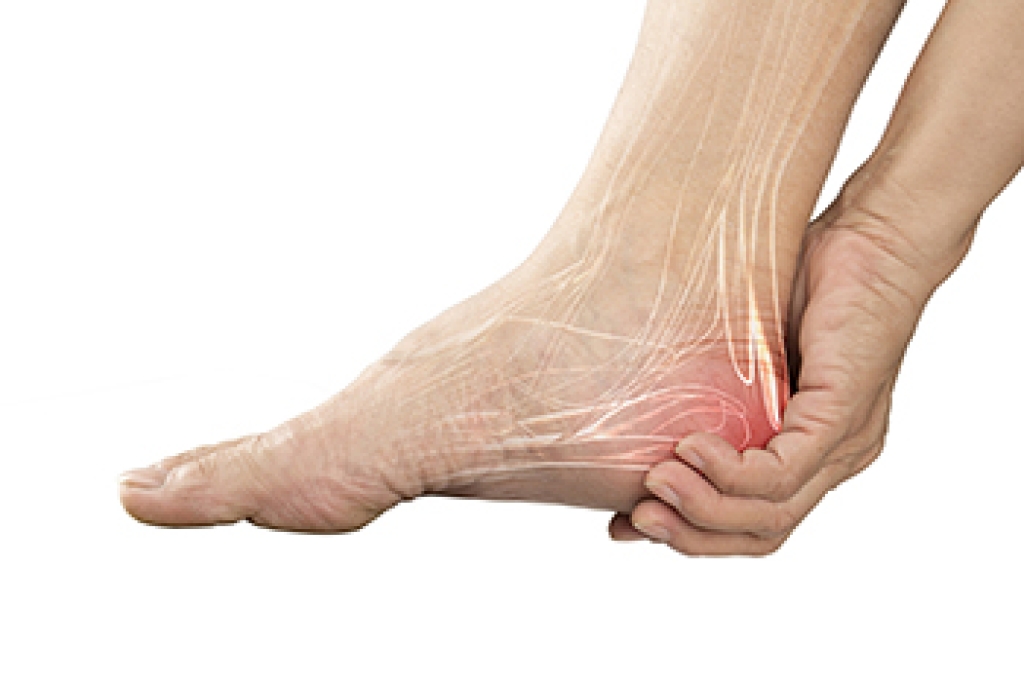
Heel pain is a frequent foot complaint that can affect people of all ages and activity levels. It occurs when the structures that support the heel become irritated or inflamed. The heel absorbs significant impact during walking and running, which makes it vulnerable to stress and injury. Pain may develop gradually or suddenly, depending on the cause. Common types of heel pain involve the plantar fascia and the Achilles tendon, both of which play essential roles in foot movement and stability.

Symptoms of heel pain can vary based on the underlying condition, but often include swelling, stiffness, and discomfort during movement. Some individuals may experience numbness or a tingling sensation in the heel or surrounding areas. Pain is often worse in the morning or after periods of rest, and may improve with light activity before returning with prolonged use. Tenderness at the bottom or back of the heel is common, and pressure on the area may increase discomfort. These symptoms can interfere with daily routines and physical activity.


Several conditions can cause heel pain. Plantar fasciitis is one of the most common, involving inflammation of the band of tissue that runs along the bottom of the foot. Heel spurs, which are bony growths on the heel bone, may develop alongside plantar fasciitis and contribute to pain. Achilles tendonitis affects the tendon at the back of the heel and is often linked to overuse or strain. Each condition involves different structures but can produce similar symptoms that require careful evaluation.


Risk factors for heel pain include prolonged standing, high-impact activities, and poor foot mechanics. Obesity and aging can also increase stress on the heel. Tight calf muscles and lack of flexibility may further contribute to discomfort. Early care is important to prevent chronic issues and support recovery. If you have heel pain, it is suggested that you promptly consult a podiatrist for an accurate diagnosis and appropriate treatment.

Many people suffer from bouts of heel pain. For more information, contact Tanisha Richmond, DPM of Richmond Foot & Ankle, LLC. Our doctor can provide the care you need to keep you pain-free and on your feet.

Causes of Heel Pain

Heel pain is often associated with plantar fasciitis. The plantar fascia is a band of tissues that extends along the bottom of the foot. A rip or tear in this ligament can cause inflammation of the tissue.

Achilles tendonitis is another cause of heel pain. Inflammation of the Achilles tendon will cause pain from fractures and muscle tearing. Lack of flexibility is also another symptom.

Heel spurs are another cause of pain. When the tissues of the plantar fascia undergo a great deal of stress, it can lead to ligament separation from the heel bone, causing heel spurs.

Why Might Heel Pain Occur?

  • Wearing ill-fitting shoes                
  • Wearing non-supportive shoes
  • Weight change           
  • Excessive running

Treatments

Heel pain should be treated as soon as possible for immediate results. Keeping your feet in a stress-free environment will help. If you suffer from Achilles tendonitis or plantar fasciitis, applying ice will reduce the swelling. Stretching before an exercise like running will help the muscles. Using all these tips will help make heel pain a condition of the past.

If you have any questions, please feel free to contact our office located in Dayton, OH . We offer the newest diagnostic and treatment technologies for all your foot care needs.


Read more about Heel Pain

Are Bunions Affecting Your Everyday Life?

Have you noticed a bony protrusion on the side of your big toe? If so, you may have developed the foot condition known as a bunion. Don't let bunions interfere with your daily activities.

Custom Orthotics Can Be Used In Stylish Footwear

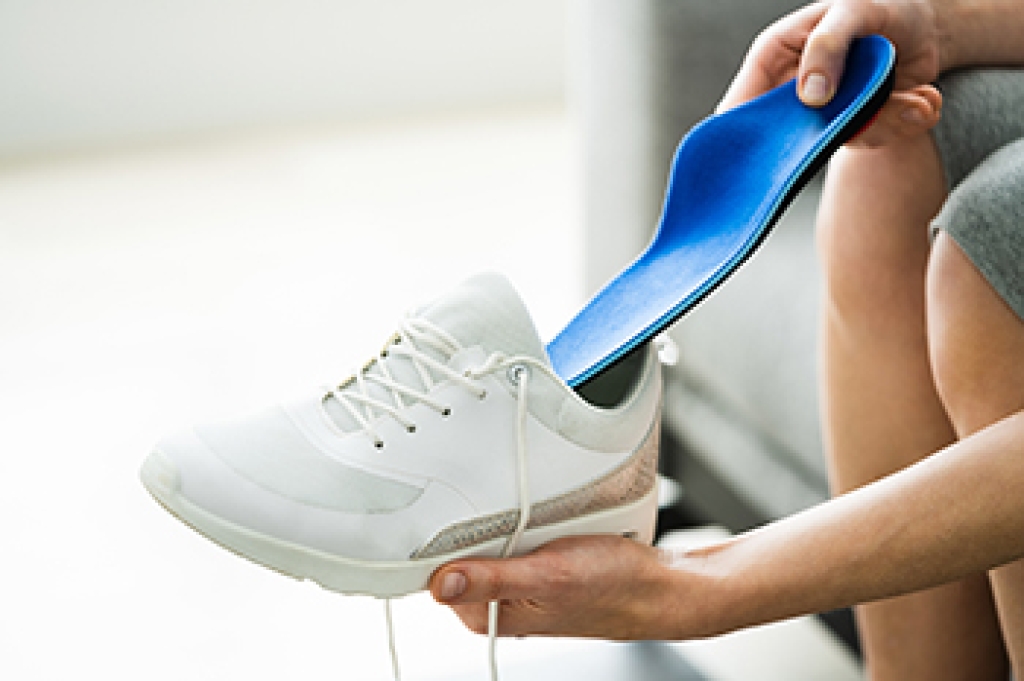
Who said style can't be comfortable? With Custom Orthotics, you get the best of both worlds. Slip them into your favorite fashionable shoes and feel the difference. They mold to your feet, offering support without compromising on style. No more choosing between looking good and feeling great. With Custom Orthotics, step out in style and comfort every day. Contact our office to learn more!

Preventing Ankle Injuries in Basketball Through Smart Play

Ankle injuries in basketball are among the most common sports-related conditions, due to the fast-paced and high-impact nature of the game. These injuries occur when the ligaments, tendons, or bones in the ankle are stressed beyond their normal range. Quick direction changes, jumping, and sudden stops all place significant pressure on the ankle joint. Understanding the definition and causes of ankle injuries can help players take steps to reduce their risk and stay active on the court.

Symptoms of ankle injuries may include pain, swelling, bruising, and a limited range of motion. In some cases, players may feel instability or difficulty bearing weight on the affected foot. Risk factors include improper landing techniques, wearing unsupportive shoes, and weak ankle muscles. Landing awkwardly after a jump is a leading cause, as it can force the ankle into an unnatural position. Shoes that lack proper cushioning and stability can also increase the likelihood of injury by failing to support the foot during movement.


There are several types of ankle injuries that basketball players may experience. Sprains are the most common and occur when ligaments are stretched or torn. Strains involve injury to muscles or tendons, while fractures are more severe and involve a break in the bone. Each type of injury varies in severity, but all require proper attention to prevent long-term complications. Strength training, balance exercises, and wearing well-fitted athletic shoes can help reduce the risk of these injuries.


Preventing ankle injuries involves a combination of proper technique, conditioning, and awareness. Players should focus on controlled landings, maintain strong lower-leg muscles, and choose shoes designed for court sports. Taking time to warm up before playing can also prepare the joints for activity. If you have developed a foot or ankle injury while playing basketball, it is suggested that you consult a podiatrist for effective relief and treatment solutions.

Sports related foot and ankle injuries require proper treatment before players can go back to their regular routines. For more information, contact Tanisha Richmond, DPM of Richmond Foot & Ankle, LLC. Our doctor can provide the care you need to keep you pain-free and on your feet.

Sports Related Foot and Ankle Injuries

Foot and ankle injuries are a common occurrence when it comes to athletes of any sport. While many athletes dismiss the initial aches and pains, the truth is that ignoring potential foot and ankle injuries can lead to serious problems. As athletes continue to place pressure and strain the area further, a mild injury can turn into something as serious as a rupture and may lead to a permanent disability. There are many factors that contribute to sports related foot and ankle injuries, which include failure to warm up properly, not providing support or wearing bad footwear. Common injuries and conditions athletes face, including:

  • Plantar Fasciitis
  • Achilles Tendinitis
  • Achilles Tendon Rupture
  • Ankle Sprains

Sports related injuries are commonly treated using the RICE method. This includes rest, applying ice to the injured area, compression and elevating the ankle. More serious sprains and injuries may require surgery, which could include arthroscopic and reconstructive surgery. Rehabilitation and therapy may also be required in order to get any recovering athlete to become fully functional again. Any unusual aches and pains an athlete sustains must be evaluated by a licensed, reputable medical professional.

If you have any questions please contact our office located in Dayton, OH . We offer the newest diagnostic and treatment technologies for all your foot and ankle needs.

Read more about Sports Related Foot and Ankle Injuries

Supportive Foot Orthotics for Safer and Easier Walking

Difficulty in walking can result from a range of foot and ankle disorders that affect balance, strength, and coordination. These conditions may include nerve damage, muscle weakness, joint instability, or structural deformities. Common symptoms include unsteady gait, foot drop, fatigue, and pain during movement. Risk factors include aging, neurological conditions, injury, and chronic disease. When walking becomes difficult, daily activities are often affected, leading to reduced mobility and independence.

Foot orthotics and ankle foot orthoses, or AFO, play an important role in improving walking function. Orthotics are designed to support the foot, correct alignment, and redistribute pressure. Ankle foot orthoses provide additional support by stabilizing the ankle and controlling motion. These devices help guide the foot into a more efficient position with each step. This reduces strain on muscles and joints, making walking more stable and less painful.


There are several types of ankle foot orthoses commonly used depending on the condition. Rigid designs limit ankle movement and provide maximum stability, while flexible options allow controlled motion. Hinged ankle-foot orthoses support natural walking patterns while preventing excessive movement. These devices are often used for individuals with neurological conditions, including multiple sclerosis. In these cases, ankle-foot orthoses can help manage foot drop and improve walking safety.


The use of orthotics and ankle-foot orthoses can lead to better balance, improved gait, and increased confidence during movement. Consistent use, along with proper evaluation, ensures the best results. If you have difficulty in walking and believe foot orthotics can benefit you, it is suggested you consult a podiatrist for expert guidance in custom foot orthotics.

Custom orthotics can be an important solution for reducing foot pain by targeting its structural causes rather than just the symptoms. When the feet are misaligned, excess strain develops in the muscles, tendons, and ligaments, often resulting in discomfort in the arches, balls of the feet, or toes. Orthotics are designed to match each foot’s natural shape, supporting proper alignment and evenly distributing pressure to ease pain and improve movement.

Foot pain is commonly caused by overuse, wearing improper footwear, or biomechanical issues that place added stress on sensitive areas. By stabilizing the foot and restoring natural motion, custom orthotics help reduce strain, calm inflammation, and promote healing. Many patients experience lasting relief and greater comfort while walking, standing, or exercising.

Created from a detailed assessment using advanced imaging or casting, each pair of orthotics is tailored to your individual needs. If you are experiencing ongoing foot pain, it is suggested that you contact our office for an evaluation and treatment.

If you have any questions, please feel free to contact our office located in Dayton, OH .

Read more about Sole Marketing Foot and Ankle Injuries

Connect With Us