Recognizing Symptoms of Diabetic Foot Wounds

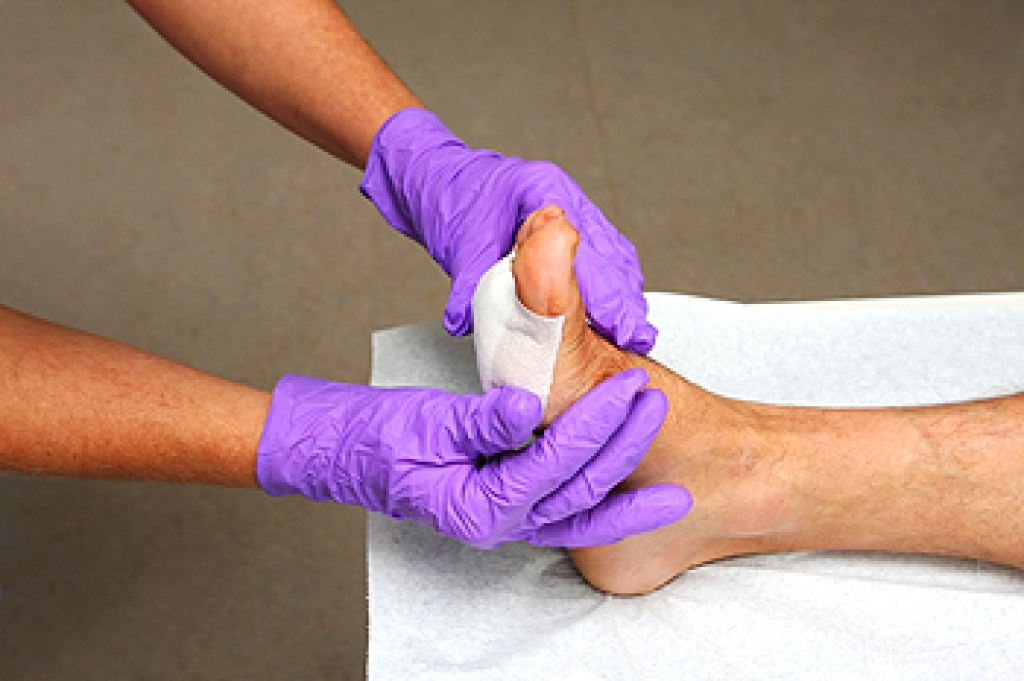
Diabetic foot wounds can develop quickly and require immediate attention to prevent serious complications. Symptoms include redness, swelling, drainage, pain, in addition to numbness and open sores that do not heal. These wounds often result from nerve damage and poor circulation, which can make them difficult to detect and slow to heal. A podiatrist can help by performing thorough foot examinations, cleaning and treating wounds, managing infections, and recommending footwear or orthotics to protect vulnerable areas. Early intervention is vital to avoiding severe outcomes like ulcers or limb loss. If you notice any signs of a diabetic foot wound, it is suggested that you are under the care of a podiatrist who can provide effective relief solutions, while helping you to manage this serious condition.

Wound care is an important part in dealing with diabetes. If you have diabetes and a foot wound or would like more information about wound care for diabetics, consult with Tanisha Richmond, DPM from Richmond Foot & Ankle, LLC. Our doctor will assess your condition and provide you with quality foot and ankle treatment.

What Is Wound Care?

Wound care is the practice of taking proper care of a wound. This can range from the smallest to the largest of wounds. While everyone can benefit from proper wound care, it is much more important for diabetics. Diabetics often suffer from poor blood circulation which causes wounds to heal much slower than they would in a non-diabetic. 

What Is the Importance of Wound Care?

While it may not seem apparent with small ulcers on the foot, for diabetics, any size ulcer can become infected. Diabetics often also suffer from neuropathy, or nerve loss. This means they might not even feel when they have an ulcer on their foot. If the wound becomes severely infected, amputation may be necessary. Therefore, it is of the upmost importance to properly care for any and all foot wounds.

How to Care for Wounds

The best way to care for foot wounds is to prevent them. For diabetics, this means daily inspections of the feet for any signs of abnormalities or ulcers. It is also recommended to see a podiatrist several times a year for a foot inspection. If you do have an ulcer, run the wound under water to clear dirt from the wound; then apply antibiotic ointment to the wound and cover with a bandage. Bandages should be changed daily and keeping pressure off the wound is smart. It is advised to see a podiatrist, who can keep an eye on it.

If you have any questions please contact our office located in Dayton, OH . We offer the newest diagnostic and treatment technologies for all your foot and ankle needs.

Read more about Wound Care

Reminder: When Was the Last Time...?

Custom orthotics, or shoe inserts, should be periodically replaced. Orthotics must fit properly to give you the best results. Protect your feet and ankles!

Struggling With Heel Pain? Custom Orthotics Can Help

Struggling with heel pain? Discover the relief Custom Orthotics can bring. Customized to your foot's unique structure, Custom Orthotics offer targeted support, alleviating pressure points and redistributing weight. This means reduced heel pain and a more comfortable step, every time. Whether you're walking, working, or working out, Custom Orthotics ensure your heels feel cushioned and cared for. Experience the transformative power of Custom Orthotics with us today! Call today for more information.

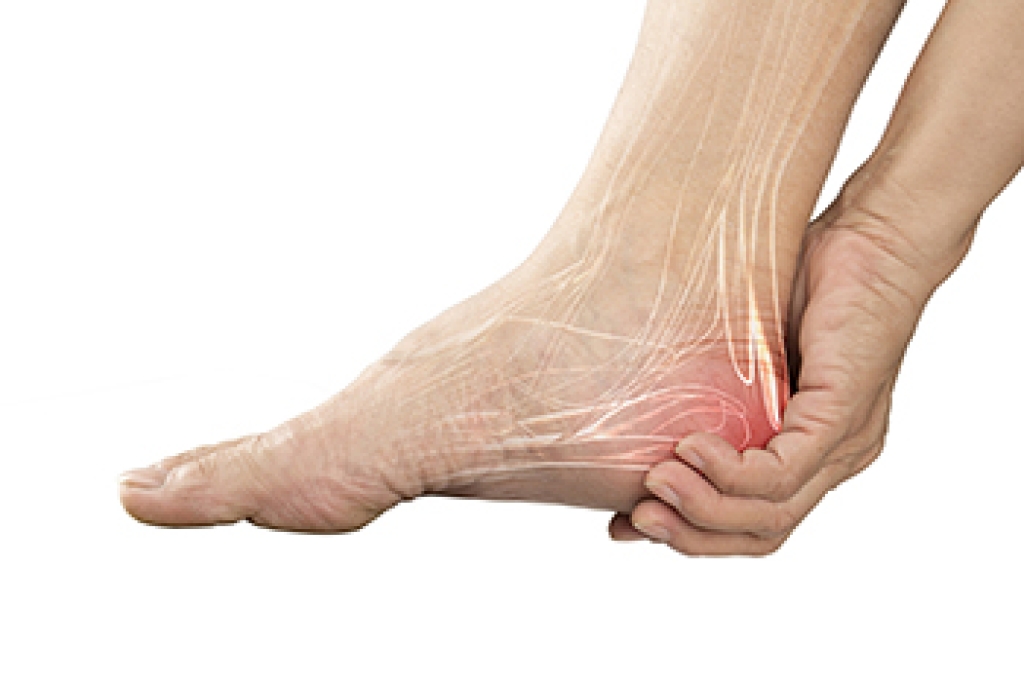
Symptoms and Causes of Heel Fat Pad Syndrome

Heel fat pad syndrome occurs when the thick, protective layer of fatty tissue beneath the heel becomes thinned, displaced, or inflamed. This heel fat pad, known as the corpus adiposum, normally cushions the heel bone and helps absorb the force of impact during walking or running. When the fat pad loses its elasticity or volume, it can no longer protect the heel effectively. This results in a deep, bruise-like pain in the center of the heel, especially when walking barefoot or on hard surfaces. Common causes include repetitive impact from sports, prolonged standing, walking on hard floors, gait abnormalities, and age-related tissue breakdown. Excess body weight and medical conditions, such as rheumatoid arthritis or diabetes, may also contribute. The heel pain typically worsens with activity and improves with rest. A podiatrist can evaluate heel structure, identify fat pad atrophy through a physical exam or imaging, and recommend methods to reduce discomfort and protect the heel. If your heels hurt during everyday activities, it is suggested that you schedule an appointment with a podiatrist for an exam and appropriate treatment options.

Many people suffer from bouts of heel pain. For more information, contact Tanisha Richmond, DPM of Richmond Foot & Ankle, LLC. Our doctor can provide the care you need to keep you pain-free and on your feet.

Causes of Heel Pain

Heel pain is often associated with plantar fasciitis. The plantar fascia is a band of tissues that extends along the bottom of the foot. A rip or tear in this ligament can cause inflammation of the tissue.

Achilles tendonitis is another cause of heel pain. Inflammation of the Achilles tendon will cause pain from fractures and muscle tearing. Lack of flexibility is also another symptom.

Heel spurs are another cause of pain. When the tissues of the plantar fascia undergo a great deal of stress, it can lead to ligament separation from the heel bone, causing heel spurs.

Why Might Heel Pain Occur?

  • Wearing ill-fitting shoes                
  • Wearing non-supportive shoes
  • Weight change           
  • Excessive running

Treatments

Heel pain should be treated as soon as possible for immediate results. Keeping your feet in a stress-free environment will help. If you suffer from Achilles tendonitis or plantar fasciitis, applying ice will reduce the swelling. Stretching before an exercise like running will help the muscles. Using all these tips will help make heel pain a condition of the past.

If you have any questions, please feel free to contact our office located in Dayton, OH . We offer the newest diagnostic and treatment technologies for all your foot care needs.

Read more about Heel Pain

Custom Orthotics Offer Support for Flat Feet When One Size Does Not Fit All

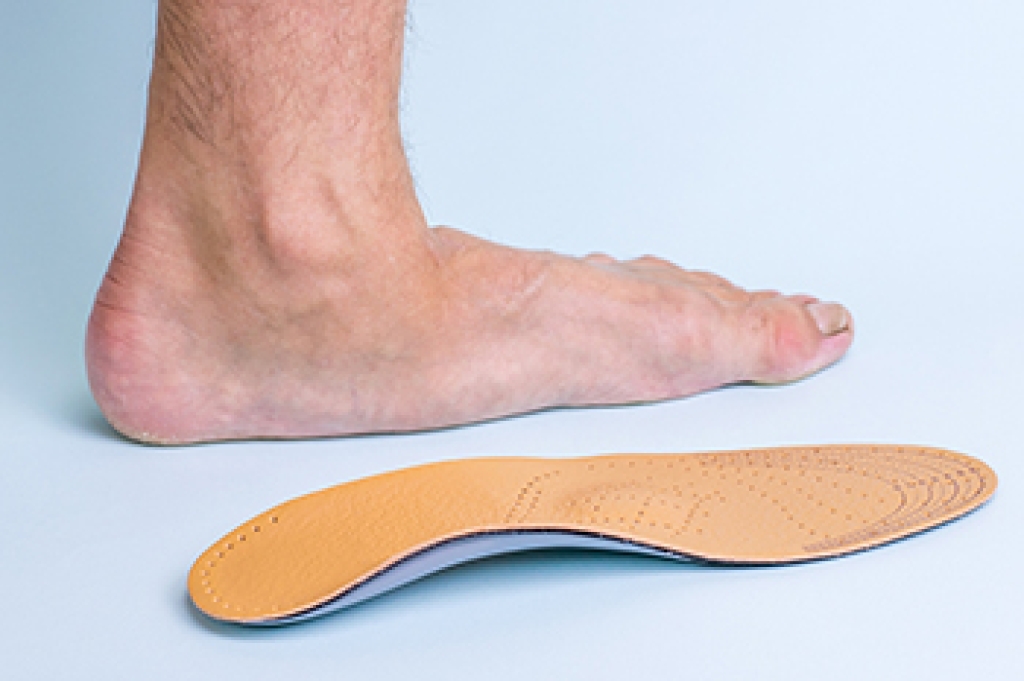
Flat feet are a common condition, and many people turn to over-the-counter orthotics for relief. While these pre-made inserts may help in typical cases, their strict sizing and lack of personalization limit their effectiveness for many patients. Flat feet vary in structure and severity, and what works for one person may not work for another. Custom-made orthoses are designed specifically for the shape and function of each individual foot. This allows them to provide more targeted support, whether the flat feet are mild or more complex. The process takes time, from the initial assessment to making adjustments and fabricating the final product. However, the result is a device that fits more comfortably and works more effectively. If you have flat feet, it is suggested that you see a podiatrist to explore custom orthotic solutions.

Our feet carry us through every part of life, absorbing the impact of thousands of steps each day. When they are not properly supported, the effects can extend far beyond the feet themselves. Custom orthotics provide the foundation the body needs by aligning, cushioning, and stabilizing each foot in its most natural position. They are carefully crafted to match the unique structure of each individual’s feet, allowing them to move efficiently and comfortably while reducing stress on the muscles, joints, and ligaments.

Proper foot support is essential for maintaining balance and preventing fatigue. Without it, the body compensates by shifting weight unevenly, which can lead to discomfort in the ankles, knees, hips, or lower back. Custom orthotics help restore this balance by redistributing pressure and promoting a more natural walking pattern. They not only ease existing pain but also protect against future strain or injury by supporting the arches and controlling excessive motion.

Unlike store-bought insoles, custom orthotics are created through detailed assessment and advanced technology to provide precise correction and comfort. They fit seamlessly into most shoes, making them ideal for daily wear, work, or sports.

If your feet feel tired, sore, or unsupported, it is recommended that you contact our office for more information, or to make an appointment.

If you have any questions please contact our office located in Dayton, OH

Read more about Investing in Custom Orthotics Means Investing in Foot Health

Connect With Us