Understanding Athlete's Foot and Treatment Options

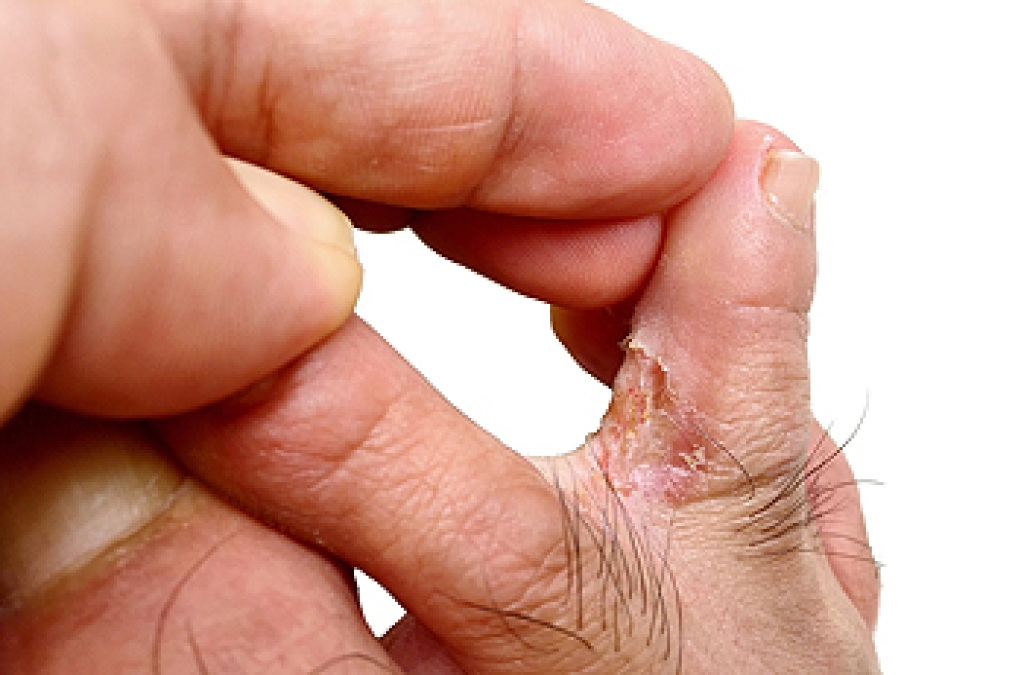
Athlete's foot is a fungal infection that affects the skin of the feet and can spread when left untreated. Fungi are tiny living organisms that grow well in warm, moist environments. The infection frequently begins between the toes, but it can also affect the soles, sides, or heels of the feet. Patients often notice itching, burning, or peeling skin. Redness and cracking can also develop, making walking uncomfortable. In more severe cases, blisters or painful skin splits can appear. Because several skin conditions produce similar symptoms, a podiatrist can perform a thorough examination to determine whether a fungal infection is causing the problem and recommend the most appropriate treatment.

Athlete's foot spreads through direct contact with infected skin or contaminated surfaces. Places like locker rooms, public showers, and swimming pool areas increase the chance of exposure. The infection also spreads through shared towels, socks, or shoes. Wearing shoes for long periods can create a warm, damp environment that encourages fungal growth. Patients with diabetes or weakened immune systems can have a greater risk of developing more severe infections. A podiatrist can identify the specific type of fungal infection and determine whether it has spread to the toenails or other areas of the foot.

Treatment depends on the severity of the infection and how much skin is involved. A podiatrist can prescribe antifungal medications that target the fungus and help clear the infection. Patients with more extensive infections sometimes require oral medication to improve treatment results. A podiatrist also evaluates the feet for skin damage, nail involvement, and signs of a bacterial infection that can develop when cracked skin allows bacteria to enter. Early diagnosis and podiatric l treatment can improve comfort, reduce the chance of recurring infections, and help protect long-term foot health. If you have symptoms of athlete's foot, it is suggested that you  schedule an appointment with a podiatrist for effective relief and treatment solutions. 

Athlete’s foot is an inconvenient condition that can be easily reduced with the proper treatment. If you have any concerns about your feet and ankles, contact Tanisha Richmond, DPM from Richmond Foot & Ankle, LLC.  Our doctor will treat your foot and ankle needs.

Athlete’s Foot: The Sole Story

Athlete's foot, also known as tinea pedis, can be an extremely contagious foot infection. It is commonly contracted in public changing areas and bathrooms, dormitory style living quarters, around locker rooms and public swimming pools, or anywhere your feet often come into contact with other people.

Solutions to Combat Athlete’s Foot

  • Hydrate your feet by using lotion
  • Exfoliate
  • Buff off nails
  • Use of anti-fungal products
  • Examine your feet and visit your doctor if any suspicious blisters or cuts develop

Athlete’s foot can cause many irritating symptoms such as dry and flaking skin, itching, and redness. Some more severe symptoms can include bleeding and cracked skin, intense itching and burning, and even pain when walking. In the worst cases, Athlete’s foot can cause blistering as well. Speak to your podiatrist for a better understanding of the different causes of Athlete’s foot, as well as help in determining which treatment options are best for you.

If you have any questions please feel free to contact our office located in Dayton, OH . We offer the newest diagnostic and treatment technologies for all your foot and ankle needs.

Read more about Athlete's Foot

It's Time for Beautiful Feet

You don't need an excuse to have beautiful nails. Step outside without worrying about the appearance of your feet.

Causes and Risks Factors for Falls in Older Adults

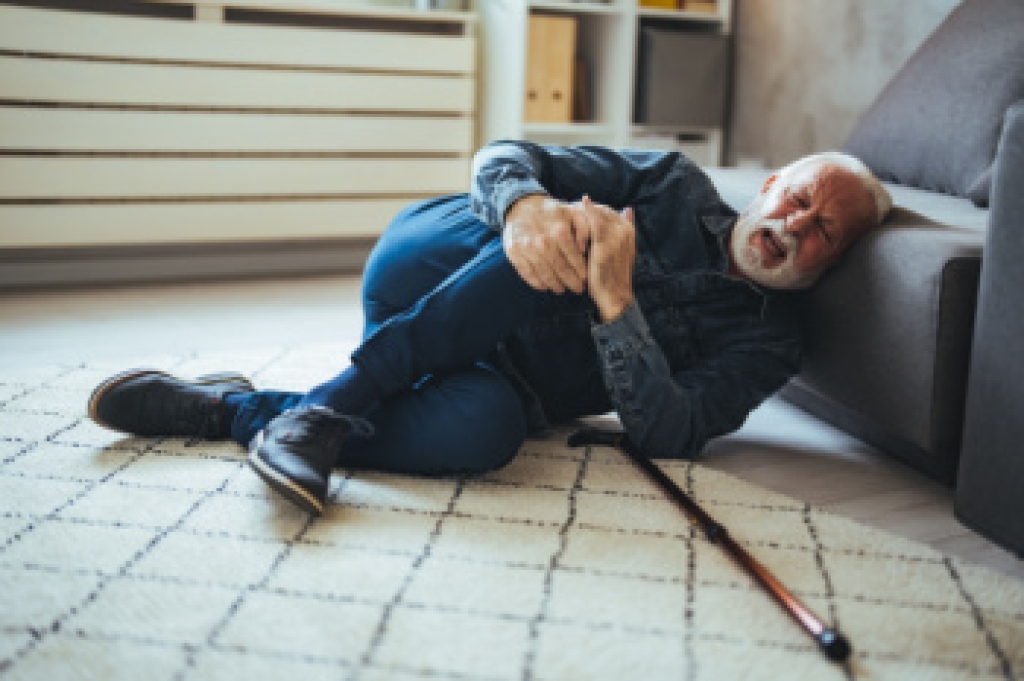
Falls in older adults are a major health concern that can lead to serious foot and ankle injuries, reduced mobility, and loss of independence. A fall is defined as an unintentional descent to the ground or a lower level, often caused by a loss of balance or stability. As the body ages, changes in muscle strength, joint flexibility, and coordination can increase the likelihood of falling. These changes make it important to understand both the causes and the prevention of falls to support long term health.

Symptoms associated with falls may include immediate pain, swelling, bruising, or difficulty walking. Many older adults experience foot and ankle injuries, such as sprains or fractures, after a fall. In some cases, individuals may feel unsteady even after the incident, which can lead to a fear of falling again. This fear may reduce physical activity, further weakening muscles and increasing the risk of future falls. Recognizing early warning signs such as balance issues or frequent stumbling can help prevent serious injury.


Several risk factors contribute to falls in older adults. Age-related muscle loss and decreased bone density play a significant role. Chronic conditions, such as arthritis, diabetes, or nerve disorders, can affect balance and sensation in the feet. Medications that cause dizziness, drowsiness, or changes in blood pressure can also increase fall risk. Environmental hazards such as poor lighting, loose rugs, and uneven surfaces add to the danger. Wearing footwear that does not fit properly or lacks support can further reduce stability and increase the chance of falling.


Preventing falls requires a comprehensive approach that includes strengthening exercises, proper footwear, and home safety improvements. Balance training and regular physical activity can help maintain coordination and muscle strength. Wearing well-fitted shoes with supportive soles can improve stability. Keeping living spaces free of clutter and ensuring proper lighting are simple but effective steps. Regular foot evaluations can also identify issues that may affect balance. If you have had a foot or ankle injury from falling or want guidance on prevention, it is suggested you consult a podiatrist for effective relief and prevention tips.

Preventing falls among the elderly is very important. If you are older and have fallen or fear that you are prone to falling, consult with Tanisha Richmond, DPM from Richmond Foot & Ankle, LLC. Our doctor will assess your condition and provide you with quality advice and care.

Every 11 seconds, an elderly American is being treated in an emergency room for a fall related injury. Falls are the leading cause of head and hip injuries for those 65 and older. Due to decreases in strength, balance, senses, and lack of awareness, elderly persons are very susceptible to falling. Thankfully, there are a number of things older persons can do to prevent falls.

How to Prevent Falls

Some effective methods that older persons can do to prevent falls include:

  • Enrolling in strength and balance exercise program to increase balance and strength
  • Periodically having your sight and hearing checked
  • Discuss any medications you have with a doctor to see if it increases the risk of falling
  • Clearing the house of falling hazards and installing devices like grab bars and railings
  • Utilizing a walker or cane
  • Wearing shoes that provide good support and cushioning
  • Talking to family members about falling and increasing awareness

Falling can be a traumatic and embarrassing experience for elderly persons; this can make them less willing to leave the house, and less willing to talk to someone about their fears of falling. Doing such things, however, will increase the likelihood of tripping or losing one’s balance. Knowing the causes of falling and how to prevent them is the best way to mitigate the risk of serious injury.  

If you have any questions, please feel free to contact our office located in Dayton, OH . We offer the newest diagnostic and treatment technologies for all your foot care needs.

Read more about Falls Prevention

Prevent Injury and Fatigue With Custom Orthotics

Custom Orthotics aren't just about comfort; they're your shield against injury and fatigue. By aligning your feet just right, they reduce strain on muscles and joints, ensuring you stay active longer without the usual wear and tear. Whether you're an athlete pushing limits or someone seeking day-to-day ease, Custom Orthotics offer the support you need. Don't let fatigue set the pace; with Custom Orthotics, you're always one step ahead. Call today for more information.

Causes of Foot Pain From Zumba

Foot pain from Zumba refers to discomfort or injury caused by repetitive dance fitness movements performed on hard surfaces or with improper support. Zumba involves quick turns, jumps, and side- to-side motion that place stress on the plantar fascia, joints, and soft tissue. Without proper preparation and footwear, these movements can lead to strain and overuse injuries. Understanding the physical demands of dance fitness is essential for preventing pain and maintaining safe participation.

Common symptoms include arch soreness, heel pain, and a burning sensation after class. Some individuals experience sharp pain during pivoting movements or lingering stiffness the next day. Risk factors include wearing the wrong shoes that lack lateral support, exercising on cement floors, and skipping proper warm-up techniques. Beginners who do not take a preparation class may also struggle with foot positioning, increasing the risk of strain. These factors can lead to conditions such as plantar fasciitis, tendon irritation, and stress related injuries.

Prevention begins with wearing supportive cross-training shoes designed for multidirectional movement. Avoiding cement or other hard surfaces can reduce impact stress on the feet. Taking a preparation class helps build proper technique and teaches safe movement patterns. Gradual progression in intensity allows the feet to adapt to increased activity. Stretching before and after class, including simple foot and ankle exercises, can improve flexibility and reduce stiffness. These strategies support both performance and injury prevention.

The key takeaway is that Zumba can be enjoyable and beneficial when proper precautions are taken. Paying attention to footwear, surface choice, and technique significantly lowers the risk of foot pain. Early recognition of symptoms allows for prompt care and recovery. If you enjoy Zumba and have developed foot pain, it is suggested that you consult a podiatrist for effective relief and treatment solutions.

Foot Pain

Foot pain can be extremely painful and debilitating. If you have a foot pain, consult with Tanisha Richmond, DPM from Richmond Foot & Ankle, LLC. Our doctor will assess your condition and provide you with quality foot and ankle treatment.

Causes

Foot pain is a very broad condition that could be caused by one or more ailments. The most common include:

  • Bunions
  • Hammertoes
  • Plantar Fasciitis
  • Bone Spurs
  • Corns
  • Tarsal Tunnel Syndrome
  • Ingrown Toenails
  • Arthritis (such as Gout, Rheumatoid, and Osteoarthritis)
  • Flat Feet
  • Injury (from stress fractures, broken toe, foot, ankle, Achilles tendon ruptures, and sprains)
  • And more

Diagnosis

To figure out the cause of foot pain, podiatrists utilize several different methods. This can range from simple visual inspections and sensation tests to X-rays and MRI scans. Prior medical history, family medical history, and any recent physical traumatic events will all be taken into consideration for a proper diagnosis.

Treatment

Treatment depends upon the cause of the foot pain. Whether it is resting, staying off the foot, or having surgery; podiatrists have a number of treatment options available for foot pain.

If you have any questions, please feel free to contact our office located in Dayton, OH . We offer the newest diagnostic and treatment technologies for all your foot care needs.

Read more about Foot Pain

Connect With Us