Causes of Heel Pain and Treatment Options

Heel pain is a very common ailment that can be caused by a variety of factors. Heel pain can range from a bruise or a stress fracture, to plantar fasciitis or Achilles tendonitis. The heel bone sits at the back of the foot beneath the ankle. Along with surrounding tissue, the heel bone works to provide balance and side-to-side movement of the back of the foot. If you are unsure of the cause of the symptoms of heel pain, it is important to seek medical attention. The signs that you should look for include an inability to walk comfortably on the affected side, signs of an infection, swelling or discoloration on the back of the foot and heel pain that persists beyond a few days. The heel condition can be diagnosed through your medical history or through physical examinations such as blood work and X-rays. If you are experiencing heel pain, it is advised that you visit with a podiatrist to discuss the best course of action. 
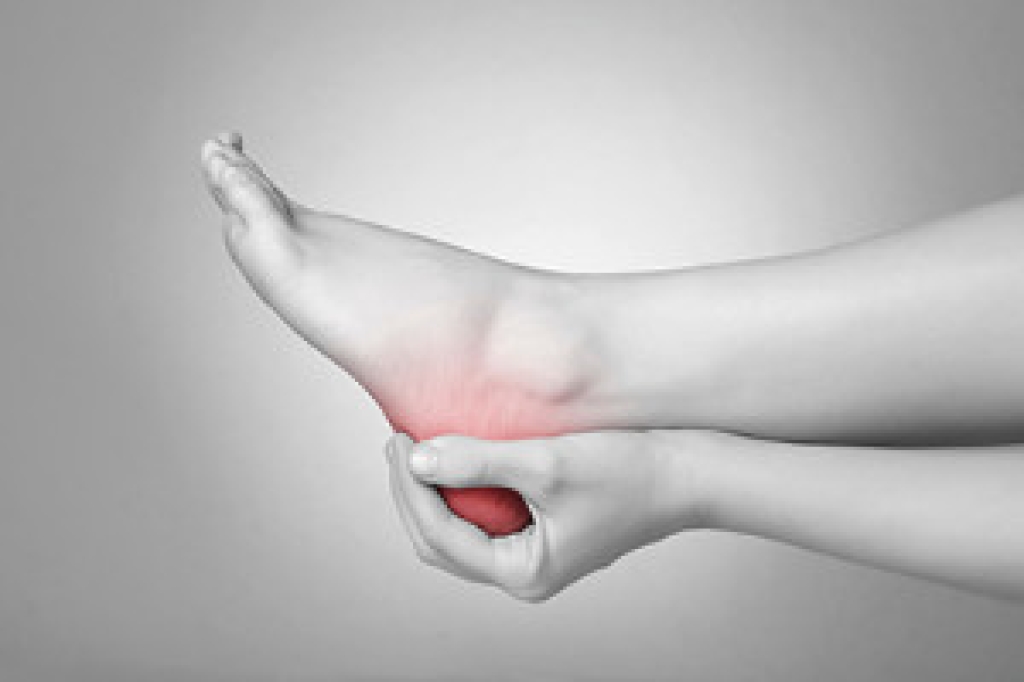
 

Many people suffer from bouts of heel pain. For more information, contact Tanisha Richmond, DPM of Richmond Foot & Ankle, LLC. Our doctor can provide the care you need to keep you pain-free and on your feet.

Causes of Heel Pain

Heel pain is often associated with plantar fasciitis. The plantar fascia is a band of tissues that extends along the bottom of the foot. A rip or tear in this ligament can cause inflammation of the tissue.

Achilles tendonitis is another cause of heel pain. Inflammation of the Achilles tendon will cause pain from fractures and muscle tearing. Lack of flexibility is also another symptom.

Heel spurs are another cause of pain. When the tissues of the plantar fascia undergo a great deal of stress, it can lead to ligament separation from the heel bone, causing heel spurs.

Why Might Heel Pain Occur?

  • Wearing ill-fitting shoes                
  • Wearing non-supportive shoes
  • Weight change           
  • Excessive running

Treatments

Heel pain should be treated as soon as possible for immediate results. Keeping your feet in a stress-free environment will help. If you suffer from Achilles tendonitis or plantar fasciitis, applying ice will reduce the swelling. Stretching before an exercise like running will help the muscles. Using all these tips will help make heel pain a condition of the past.

If you have any questions, please feel free to contact our office located in Dayton, OH . We offer the newest diagnostic and treatment technologies for all your foot care needs.

Read more about Heel Pain

Friction Causes Corns

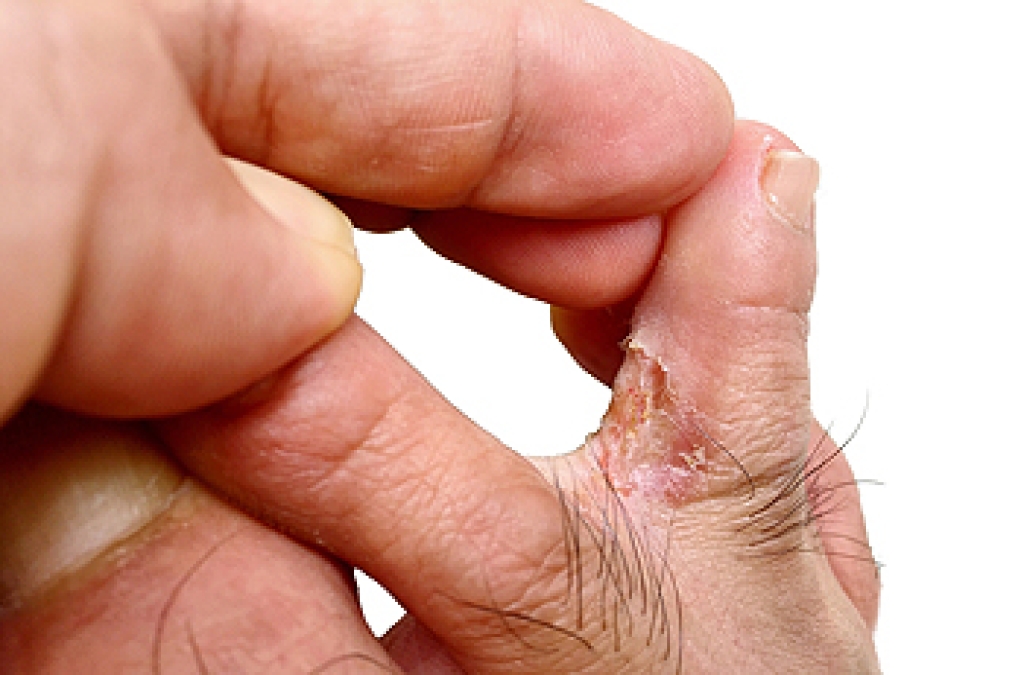
Corns can form on the tops or sides of the toes. They develop as a result of friction that can be caused by wearing shoes or socks that do not fit correctly. The noticeable symptoms often consist of pain and tenderness in the affected area, and it may be difficult to wear constricting shoes. Wearing larger shoes may prevent excess friction, so this may be a successful method in preventing corns from developing. For corns that are newly formed, patients may find mild relief after soaking their feet in warm water, followed by moisturizing the area where the corn is. This may help to soften the corn, and then a pumice stone may be an effective method in gradually diminishing it. For more severe corns, it is suggested to consult with a podiatrist who is able to perform different forms of treatment.

If you have any concerns regarding your feet and ankles, contact Tanisha Richmond, DPM of Richmond Foot & Ankle, LLC. Our doctor will treat your foot and ankle needs.

Corns: What Are They? and How Do You Get Rid of Them?
Corns can be described as areas of the skin that have thickened to the point of becoming painful or irritating. They are often layers and layers of the skin that have become dry and rough, and are normally smaller than calluses.

Ways to Prevent Corns
There are many ways to get rid of painful corns such as wearing:

  • Well-fitting socks
  • Comfortable shoes that are not tight around your foot
  • Shoes that offer support

Treating Corns
Treatment of corns involves removing the dead skin that has built up in the specific area of the foot. Consult with Our doctor to determine the best treatment option for your case of corns.

If you have any questions, please feel free to contact our office located in Dayton, OH . We offer the newest diagnostic and treatment technologies for all your foot care needs.
Read more about Corns: What Are They, and How Do You Get Rid of Them

Possible Treatment of Ingrown Toenails

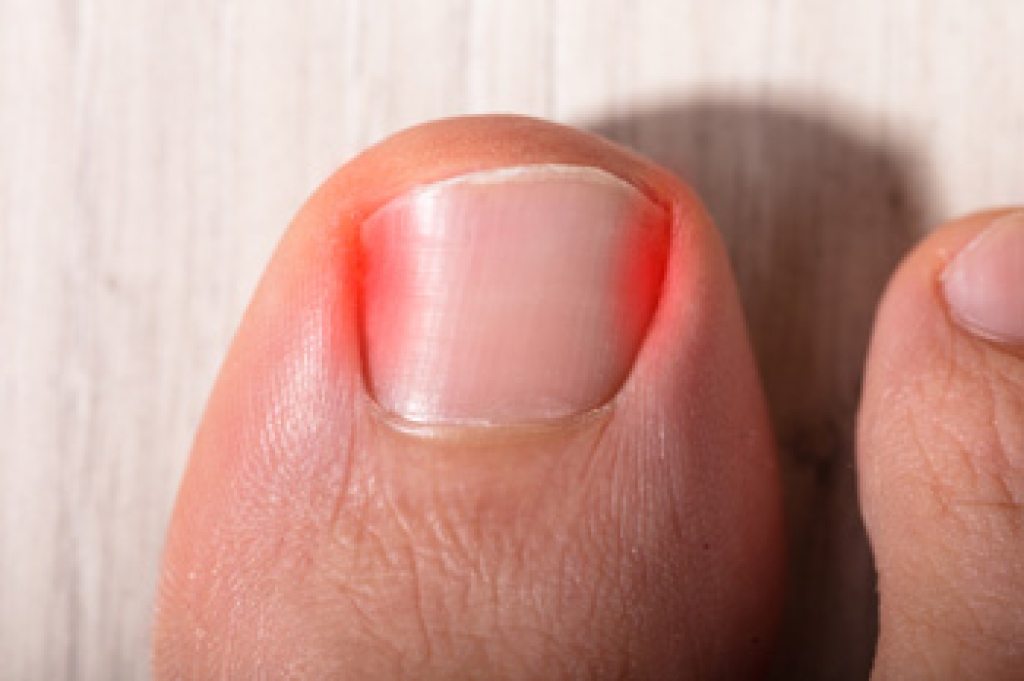
The medical name for an ingrown toenail is referred to as onychocryptosis. It is a painful condition of the big toe, and it occurs as the sides of the nail grow into the surrounding skin. The symptoms that are associated with this ailment often consist of severe pain and swelling, in addition to becoming red and inflamed. There are several reasons why ingrown toenails may develop. These can include wearing shoes that do not have adequate room for the toes to move freely in, trimming the toenails incorrectly, or if an injury has occurred to the nail. Treatment techniques may consist of splinting the nail, as this may help to protect the skin surrounding the affected nail. Additionally, if the ingrown toenail becomes infected, surgery may be an option to consider. If you have developed this condition, it is advised to seek the counsel of a podiatrist who can properly diagnosis and treat this ailment.

Ingrown toenails can become painful if they are not treated properly. For more information about ingrown toenails, contact Tanisha Richmond, DPM of Richmond Foot & Ankle, LLC. Our doctor can provide the care you need to keep you pain-free and on your feet.

Ingrown Toenails

Ingrown toenails occur when a toenail grows sideways into the bed of the nail, causing pain, swelling, and possibly infection.

Causes

  • Bacterial infections
  • Improper nail cutting such as cutting it too short or not straight across
  • Trauma to the toe, such as stubbing, which causes the nail to grow back irregularly
  • Ill-fitting shoes that bunch the toes too close together
  • Genetic predisposition

Prevention

Wearing proper fitting shoes and using proper cutting techniques will also help decrease your risk of developing ingrown toenails.

Treatment

Ingrown toenails are a very treatable foot condition. In minor cases, soaking the affected area in salt or antibacterial soaps will not only help with the ingrown nail itself, but also help prevent any infections from occurring. In more severe cases, surgery is an option. In either case, speaking to your podiatrist about this condition will help you get a better understanding of specific treatment options that are right for you.

If you have any questions, please feel free to contact our office located in Dayton, OH . We offer the newest diagnostic and treatment technologies for all your foot care needs.

Read more about Ingrown Toenail Care

Wounds That Don't Heal Need to Be Checked

Your feet are covered most of the day. If you're diabetic, periodic screening is important for good health. Numbness is often a sign of diabetic foot and can mask a sore or wound.

Connect With Us