Pretty Feet for Summer

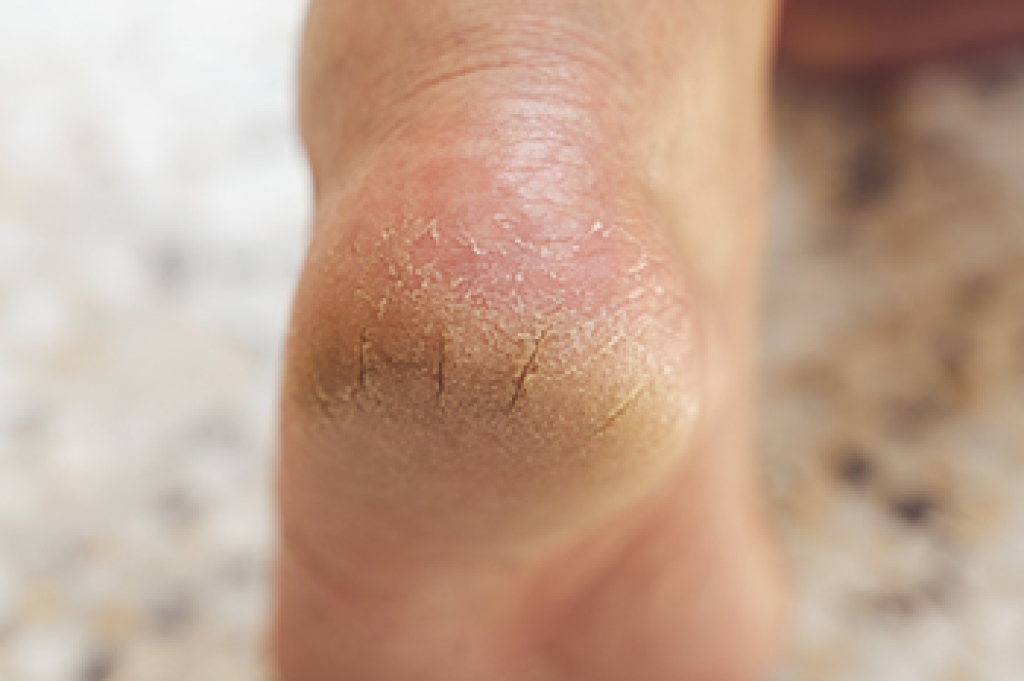
Dry, cracked heels can be an uncomfortable and unsightly problem, particularly in sandal and open-heel season. This condition occurs when the skin on the heels becomes excessively dry, often due to factors like prolonged standing, wearing open-backed shoes, or insufficient moisture. More severe causes can include medical conditions such as diabetes or thyroid problems. Dry, cracked heels feel rough, and the skin may become thickened or develop painful fissures. To treat and prevent this issue, start by moisturizing your feet daily with a rich, emollient cream, focusing on the heel area. Exfoliate regularly with a pumice stone to remove dead skin. Soaking your feet in warm water with Epsom salts can also help soften the skin. Wearing supportive, closed-back shoes and using heel balms can prevent cracks from worsening. If you have a persistent case of cracked heels, it is suggested that you visit a podiatrist for treatment and tips on how to keep your feet looking their best.

Cracked heels are unsightly and can cause further damage to your shoes and feet. If you have any concerns, contact Tanisha Richmond, DPM from Richmond Foot & Ankle, LLC. Our doctor can provide the care you need to keep you pain-free and on your feet.

Cracked Heels

Cracked heels appear unappealing and can make it harder for you walk around in sandals. Aside from looking unpleasant, cracked heels can also tear stockings, socks, and wear out your shoes. There are several methods to help restore a cracked heel and prevent further damage.

How Do You Get Them?

Dry skin is the number one culprit in creating cracked heels. Many athletes, walkers, joggers, and even swimmers suffer from cracked heels. Age and skin oil production play a role to getting cracked heels as well.

Promote Healing

Over the counter medicines can help, especially for those that need instant relief or who suffer from chronic dry feet.

Wear Socks – Wearing socks with medicated creams helps lock in moisture.

Moisturizers – Applying both day and night will help alleviate dryness which causes cracking.

Pumice Stones – These exfoliate and remove dead skin, which allows for smoother moisturizer application and better absorption into the skin. 

Change in Diet

Eating healthy with a well-balanced diet will give the skin a fresh and radiant look. Your body responds to the kinds of food you ingest. Omega-3 fatty acids and zinc supplements can also revitalize skin tissue.

Most importantly, seek professional help if unsure how to proceed in treating cracked heels. A podiatrist will help you with any questions or information needed. 

If you have any questions, please feel free to contact our office located in Dayton, OH . We offer the newest diagnostic and treatment technologies for all your foot care needs.

Read more about Solutions for Cracked Heels

Are You Suffering From Ingrown Toenails?

If left untreated, an ingrown toenail can lead to more serious concerns, such as an infection. Knowing proper nail care can help in the prevention of an ingrown toenail. Give us a call, and get treated!

Children’s Foot Alignment Deformities

Pediatric foot alignment deformities are structural abnormalities in a child’s foot that can affect gait and overall mobility. Common deformities include clubfoot, skew foot, and cavovarus. Clubfoot, where the foot twists inward and downward, can be present at birth and may result from genetic factors or in-utero positioning. Skew foot involves a combination of forefoot adduction and hindfoot valgus, leading to a Z-shaped appearance. Cavovarus foot, characterized by a high arch and inward heel, often results from neuromuscular conditions or inherited foot structure. These deformities can affect children of all ages, with risk factors including family history, neurological disorders, and abnormal fetal positioning. Diagnosis typically involves a thorough physical examination, medical history review, and imaging studies such as X-rays or MRI. Treatment varies based on the type and severity of the deformity and may include stretching exercises, orthotic devices, casting, or surgery. Early intervention is imperative for effective management. If your child has a foot alignment deformity, it is suggested that you schedule an appointment with a podiatrist as quickly as possible for an accurate diagnosis and treatment plan. 

Congenital foot problems require immediate attention to avoid future complications. If you have any concerns, contact Tanisha Richmond, DPM of Richmond Foot & Ankle, LLC. Our doctor can provide the care you need to keep you pain-free and on your feet.

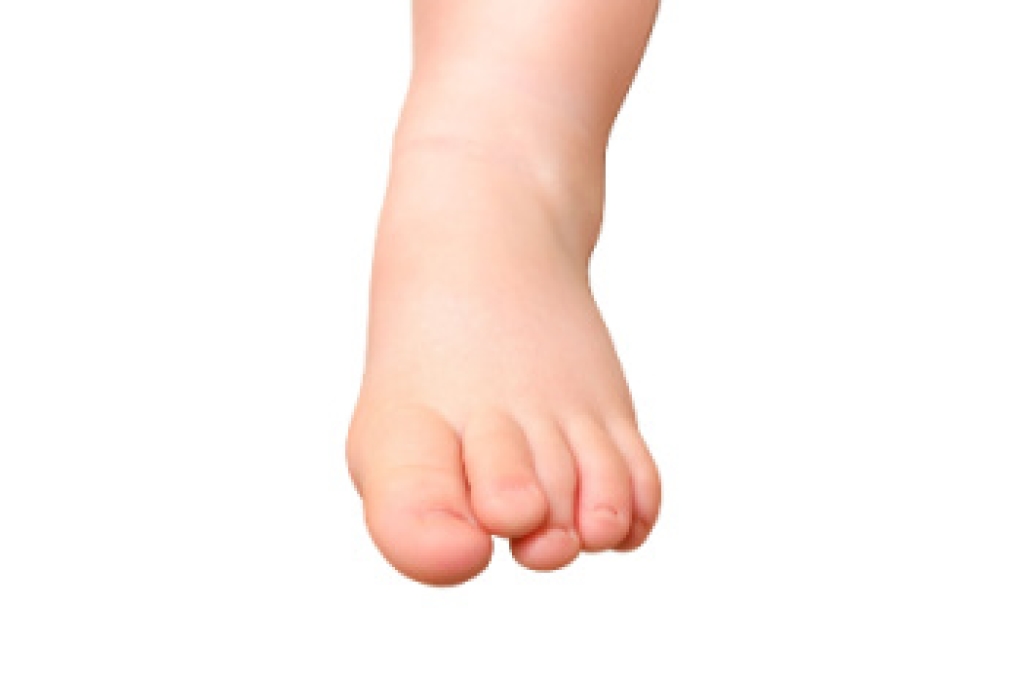
Congenital foot problems are deformities affecting the feet, toes, and/or ankles that children are born with. Some of these conditions have a genetic cause while others just happen. Some specific foot ailments that children may be born with include clubfeet, polydactyly/macrodactyly, and cleft foot. There are several other foot anomalies that can occur congenitally. What all of these conditions have in common is that a child may experience difficulty walking or performing everyday activities, as well as trouble finding footwear that fits their foot deformity. Some of these conditions are more serious than others. Consulting with a podiatrist as early as possible will help in properly diagnosing a child’s foot condition while getting the necessary treatment underway.

What are Causes of Congenital Foot Problem?

A congenital foot problem is one that happens to a child at birth. These conditions can be caused by a genetic predisposition, developmental or positional abnormalities during gestation, or with no known cause.

What are Symptoms of Congenital Foot Problems?

Symptoms vary by the congenital condition. Symptoms may consist of the following:

  • Clubfoot, where tendons are shortened, bones are shaped differently, and the Achilles tendon is tight, causing the foot to point in and down. It is also possible for the soles of the feet to face each other.
  • Polydactyly, which usually consists of a nubbin or small lump of tissue without a bone, a toe that is partially formed but has no joints, or an extra toe.
  • Vertical talus, where the talus bone forms in the wrong position causing other bones in the foot to line up improperly, the front of the foot to point up, and the bottom of the foot to stiffen, with no arch, and to curve out.
  • Tarsal coalition, when there is an abnormal connection of two or more bones in the foot leading to severe, rigid flatfoot.
  • Cleft foot, where there are missing toes, a V-shaped cleft, and other anatomical differences.
  • Macrodactyly, when the toes are abnormally large due to overgrowth of the underlying bone or soft tissue.

Treatment and Prevention

While there is nothing one can do to prevent congenital foot problems, raising awareness and receiving neonatal screenings are important. Early detection by taking your child to a podiatrist leads to the best outcome possible.

If you have any questions, please feel free to contact our office located in Dayton, OH . We offer the newest diagnostic and treatment technologies for all your foot care needs.

Read more about Congenital Foot Problems

Human Papillomavirus and Plantar Warts

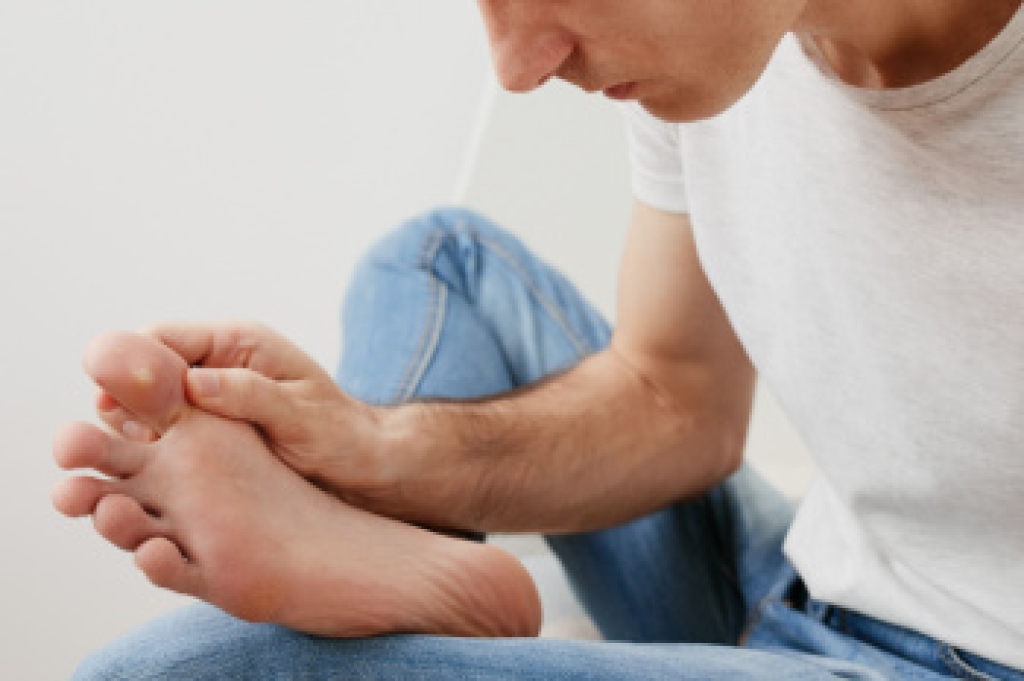
Plantar warts are small growths that appear on the soles of the feet, caused by the human papillomavirus, or HPV. They often develop in weight-bearing areas, such as the heels or balls of the feet, leading to discomfort or pain while walking. Plantar warts typically show up as rough, grainy bumps with black pinpoints, which are clotted blood vessels and may be surrounded by hardened skin. Treatment options include salicylic acid treatments, cryotherapy, or freezing, and prescription medications. In persistent cases, a podiatrist may perform minor surgical procedures to remove the wart. Diagnosis involves a visual examination and, occasionally, a biopsy to rule out other skin conditions. Recovery time varies depending on the treatment method, but keeping the area clean and avoiding pressure on the wart can aid healing. Do not attempt to cut or pick at the wart, as this can spread the virus or cause infection. If you believe you have a plantar wart, it is suggested that you schedule an appointment with a podiatrist for an accurate diagnosis and effective treatment.

Plantar warts can be very uncomfortable. If you need your feet checked, contact Tanisha Richmond, DPM from Richmond Foot & Ankle, LLC. Our doctor will assist you with all of your foot and ankle needs.

About Plantar Warts

Plantar warts are the result of HPV, or human papillomavirus, getting into open wounds on the feet. They are mostly found on the heels or balls of the feet.

While plantar warts are generally harmless, those experiencing excessive pain or those suffering from diabetes or a compromised immune system require immediate medical care. Plantar warts are easily diagnosed, usually through scraping off a bit of rough skin or by getting a biopsy.

Symptoms

  • Lesions on the bottom of your feet, usually rough and grainy
  • Hard or thick callused spots
  • Wart seeds, which are small clotted blood vessels that look like little black spots
  • Pain, discomfort, or tenderness of your feet when walking or standing

Treatment

  • Freezing
  • Electric tool removal
  • Laser Treatment
  • Topical Creams (prescription only)
  • Over-the-counter medications

To help prevent developing plantar warts, avoid walking barefoot over abrasive surfaces that can cause cuts or wounds for HPV to get into. Avoiding direct contact with other warts, as well as not picking or rubbing existing warts, can help prevent the further spread of plantar warts. However, if you think you have developed plantar warts, speak to your podiatrist. He or she can diagnose the warts on your feet and recommend the appropriate treatment options.

If you have any questions, please feel free to contact our office located in Dayton, OH . We offer the newest diagnostic and treatment technologies for all your foot care needs.

Read more about All About Plantar Warts

It's Time for Beautiful Feet

You don't need an excuse to have beautiful nails. Step outside without worrying about the appearance of your feet.

Connect With Us