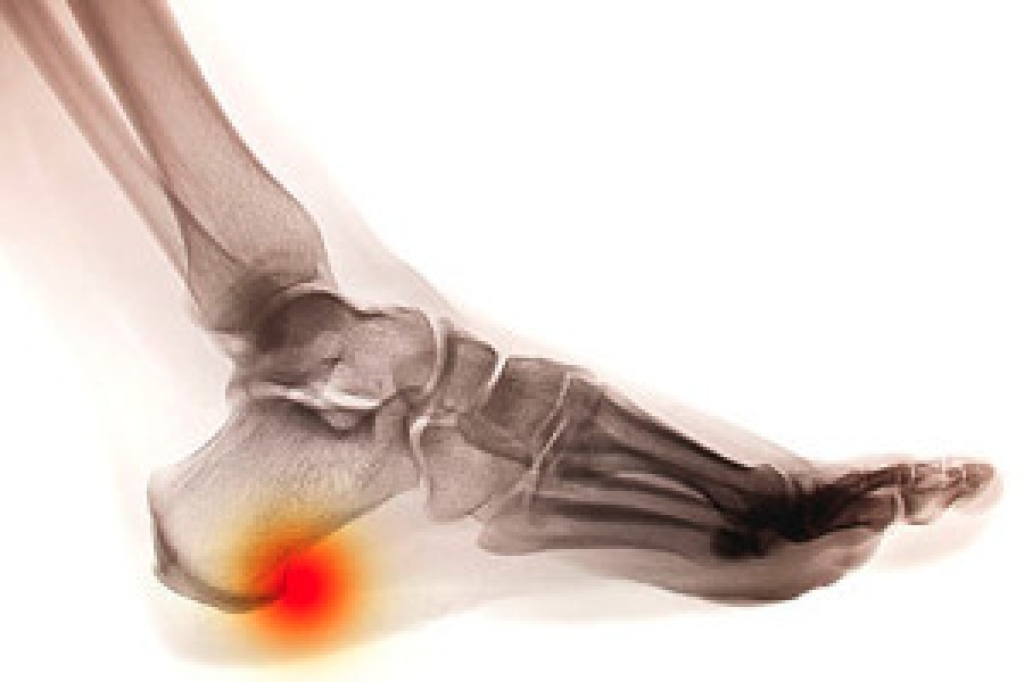
Do I Have a Heel Spur?

A common foot condition often associated with heel pain is referred to as a heel spur. A heel spur is a bony growth located as the name suggests, at the heel of the foot. They may form at the back of the heel, under the heel, or at the sole of the foot. Heel spurs can develop when the tendons and tissues that attach to the heel are overstretched or injured, often causing inflammation. Repetitive athletic stress and inflammatory diseases may also cause the development of a heel spur. Heel spurs may be diagnosed through the use of an ultrasound or X-ray in order to identify the bony protrusion. As far as treatment for heel spurs, it is suggested that you consult with a podiatrist for professional care and advice.

Heel spurs can be incredibly painful and sometimes may make you unable to participate in physical activities. To get medical care for your heel spurs, contact Tanisha Richmond, DPM from Richmond Foot & Ankle, LLC. Our doctor will do everything possible to treat your condition.

Heels Spurs

Heel spurs are formed by calcium deposits on the back of the foot where the heel is. This can also be caused by small fragments of bone breaking off one section of the foot, attaching onto the back of the foot. Heel spurs can also be bone growth on the back of the foot and may grow in the direction of the arch of the foot.

Older individuals usually suffer from heel spurs and pain sometimes intensifies with age. One of the main condition's spurs are related to is plantar fasciitis.

Pain

The pain associated with spurs is often because of weight placed on the feet. When someone is walking, their entire weight is concentrated on the feet. Bone spurs then have the tendency to affect other bones and tissues around the foot. As the pain continues, the feet will become tender and sensitive over time.

Treatments

There are many ways to treat heel spurs. If one is suffering from heel spurs in conjunction with pain, there are several methods for healing. Medication, surgery, and herbal care are some options.

If you have any questions, please feel free to contact our office located in Dayton, OH . We offer the newest diagnostic and treatment technologies for all your foot care needs.

Read more about Heel Spurs

Do Your Child's Feet Hurt?

Have your child's feet been examined lately? Healthy feet are happy feet. If your child is complaining of foot pain, it may be a sign of underlying problems.

Why Do Blisters Develop?

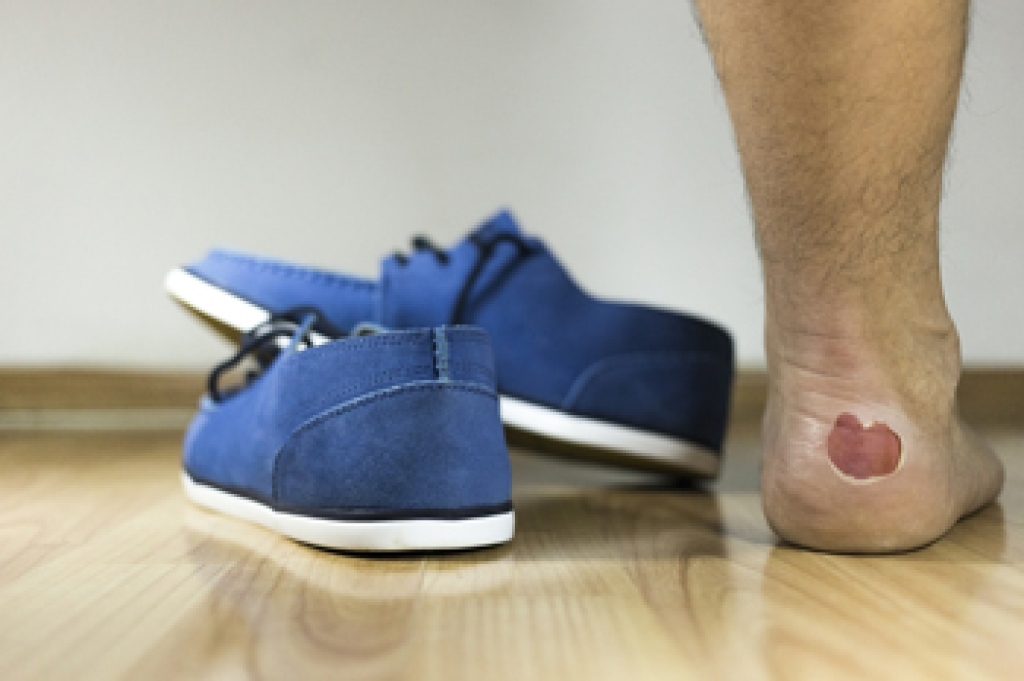
Blisters are often caused by excess friction. They can develop due to wearing socks and shoes that do not fit correctly. When the skin becomes damaged, a small pocket will naturally form over the affected area, and this is filled with a protective liquid. As the healing process occurs, the bubble will gradually drain as new skin forms. It may be beneficial to wear an elastic covering over the blister as daily activities are completed, and this may help the blister from draining prematurely. Patients who are diabetic may be prone to developing foot ulcers, so it is recommended to treat any existing blisters as quickly as possible. If you have a blister on your foot, it is suggested that you seek the counsel of a podiatrist who can offer you advice on treating blisters.  

Blisters may appear as a single bubble or in a cluster. They can cause a lot of pain and may be filled with pus, blood, or watery serum. If your feet are hurting, contact Tanisha Richmond, DPM of Richmond Foot & Ankle, LLC. Our doctor can provide the care you need to keep you pain-free and on your feet.

Foot Blisters

Foot blisters are often the result of friction. This happens due to the constant rubbing from shoes, which can lead to pain.

What Are Foot Blisters?

A foot blister is a small fluid-filled pocket that forms on the upper-most layer of the skin. Blisters are filled with clear fluid and can lead to blood drainage or pus if the area becomes infected.

Symptoms

(Blister symptoms may vary depending on what is causing them)

  • Bubble of skin filled with fluid
  • Redness
  • Moderate to severe pain
  • Itching

Prevention & Treatment

In order to prevent blisters, you should be sure to wear comfortable shoes with socks that cushion your feet and absorb sweat. Breaking a blister open may increase your chances of developing an infection. However, if your blister breaks, you should wash the area with soap and water immediately and then apply a bandage to the affected area. If your blisters cause severe pain it is important that you call your podiatrist right away.

If you have any questions, please feel free to contact our office located in Dayton, OH . We offer the newest diagnostic and treatment technologies for all your foot care needs.
Read more about Blisters

Sesamoiditis And Running

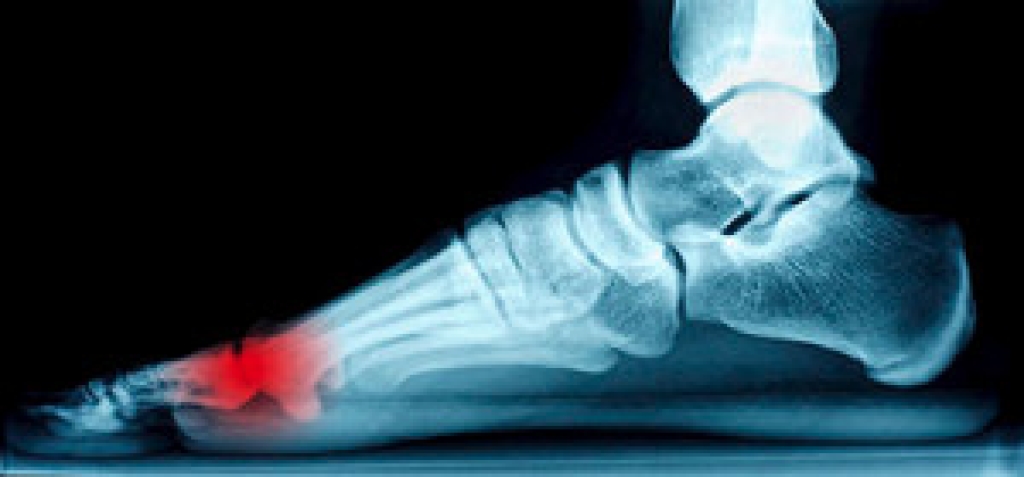
Twenty-five percent of the bones in the body are located in the feet. Two bones, known as the sesamoid bones, are found on the bottom of the big toe. They are used to point and flex the foot, and sesamoiditis can occur if they become inflamed. This can happen as a result of an injury and can cause pain and discomfort when the big toe is bent. Treatment can begin with moving the toe as little as possible. Additionally, inflammation may be reduced when anti-inflammatory medicine is taken. Runners may be prone to developing this condition, and is it advised that rehabilitation be completed before running can resume. If you have injured this part of your foot, it is suggested that you speak to a podiatrist who can treat this ailment as quickly as possible.

Sesamoiditis is an unpleasant foot condition characterized by pain in the balls of the feet. If you think you’re struggling with sesamoiditis, contact Tanisha Richmond, DPM of Richmond Foot & Ankle, LLC. Our doctor will treat your condition thoroughly and effectively.

Sesamoiditis

Sesamoiditis is a condition of the foot that affects the ball of the foot. It is more common in younger people than it is in older people. It can also occur with people who have begun a new exercise program, since their bodies are adjusting to the new physical regimen. Pain may also be caused by the inflammation of tendons surrounding the bones. It is important to seek treatment in its early stages because if you ignore the pain, this condition can lead to more serious problems such as severe irritation and bone fractures.

Causes of Sesamoiditis

  • Sudden increase in activity
  • Increase in physically strenuous movement without a proper warm up or build up
  • Foot structure: those who have smaller, bonier feet or those with a high arch may be more susceptible

Treatment for sesamoiditis is non-invasive and simple. Doctors may recommend a strict rest period where the patient forgoes most physical activity. This will help give the patient time to heal their feet through limited activity. For serious cases, it is best to speak with your doctor to determine a treatment option that will help your specific needs.

If you have any questions, please feel free to contact our office located in Dayton, OH . We offer the newest diagnostic and treatment technologies for all your foot care needs.

Read more about Sesamoiditis

Wounds That Don't Heal Need to Be Checked

Your feet are covered most of the day. If you're diabetic, periodic screening is important for good health. Numbness is often a sign of diabetic foot and can mask a sore or wound.

Connect With Us