Simple Exercises to Keep Aging Feet Strong

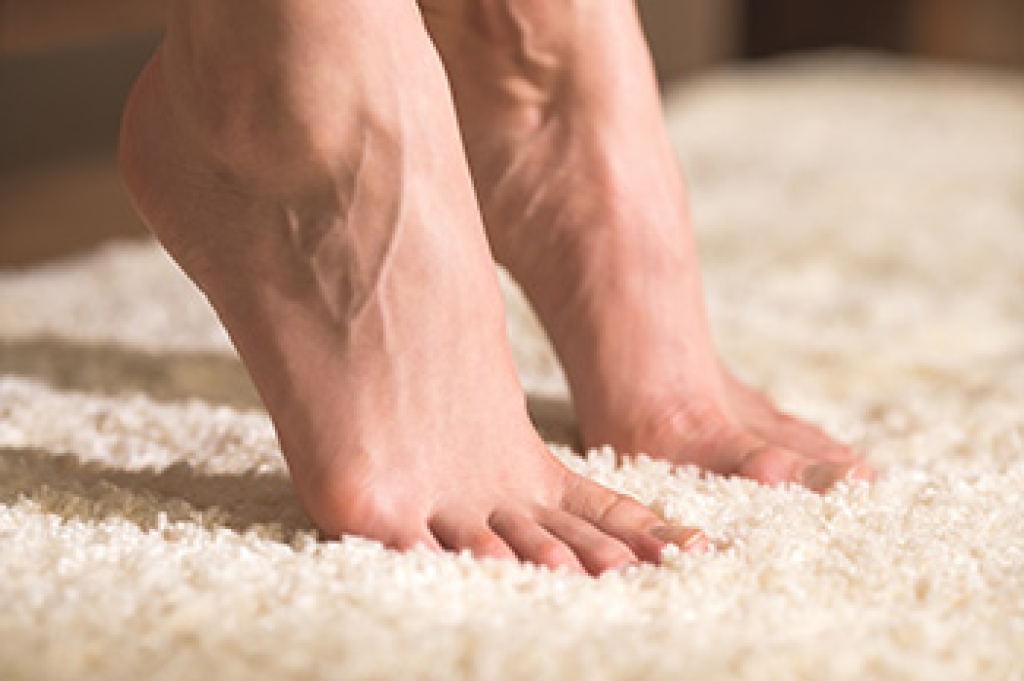
Maintaining foot strength and flexibility becomes increasingly important with age, as it helps support balance, mobility, and overall comfort. Regular movement encourages circulation, reduces stiffness, and can lower the risk of common issues associated with conditions like osteoarthritis. Walking is one of the easiest and most effective activities, promoting blood flow and keeping joints active without excessive strain. Heel and toe lifts are another helpful exercise to strengthen the muscles in the feet and lower legs while improving stability when standing or moving. Ankle pumps, performed by gently flexing and pointing the feet, can enhance circulation and reduce swelling, especially after long periods of sitting. Incorporating these simple exercises into a daily routine can support healthier, more resilient feet, and help maintain independence and comfort over time. If you experience ongoing discomfort or mobility issues, it is suggested that you consult a podiatrist for personalized guidance and care.

Poor circulation is a serious condition and needs immediate medical attention. If you have any concerns with poor circulation in your feet contact Tanisha Richmond, DPM of Richmond Foot & Ankle, LLC. Our doctor will treat your foot and ankle needs.

Poor Circulation in the Feet

Poor blood circulation in the feet and legs is can be caused by peripheral artery disease (PAD), which is the result of a buildup of plaque in the arteries.

Plaque buildup or atherosclerosis results from excess calcium and cholesterol in the bloodstream. This can restrict the amount of blood which can flow through the arteries. Poor blood circulation in the feet and legs are sometimes caused by inflammation in the blood vessels, known as vasculitis.

Causes

Lack of oxygen and oxygen from poor blood circulation restricts muscle growth and development. It can also cause:

  • Muscle pain, stiffness, or weakness 
  • Numbness or cramping in the legs
  • Skin discoloration
  • Slower nail & hair growth
  • Erectile dysfunction

Those who have diabetes or smoke are at greatest risk for poor circulation, as are those who are over 50. If you have poor circulation in the feet and legs it may be caused by PAD and is important to make changes to your lifestyle in order to reduce risk of getting a heart attack or stroke. Exercise and maintaining a healthy lifestyle will dramatically improve conditions.

As always, see a podiatrist as he or she will assist in finding a regimen that suits you. A podiatrist can also prescribe you any needed medication. 

If you have any questions, please feel free to contact our office located in Dayton, OH . We offer the newest diagnostic and treatment technologies for all your foot care needs.

Read more about Causes, Symptoms, and Treatment of Poor Blood Circulation in the Feet

How Foot Pain Alters Strength and Weight Distribution

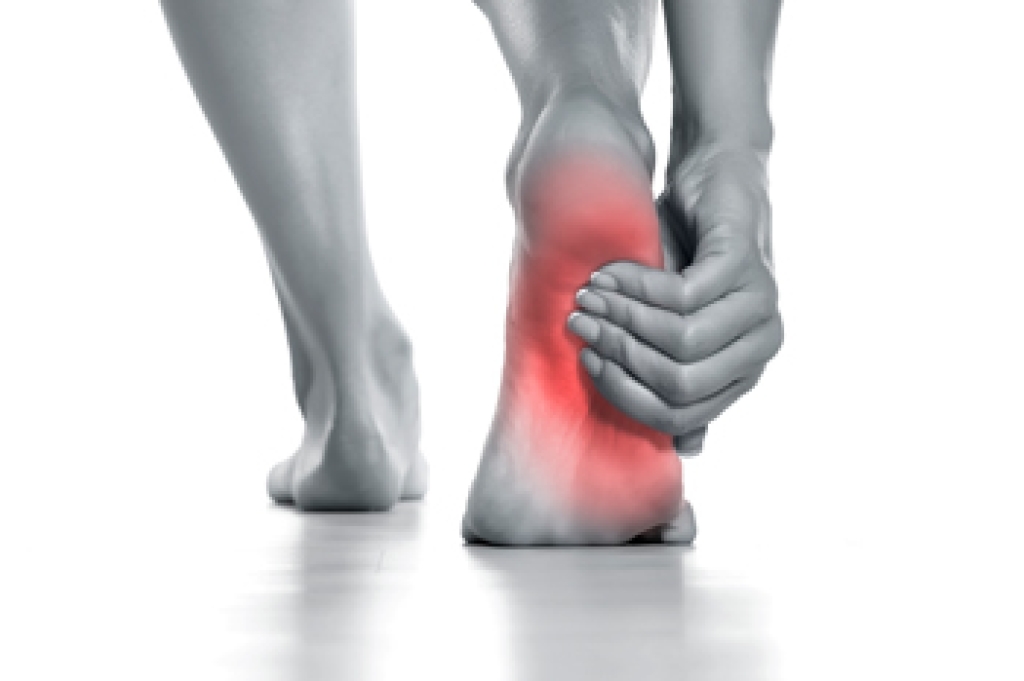
Foot pain often changes how force moves through the foot and how muscles respond. When a certain area hurts, the body naturally unloads that spot, shifting weight elsewhere. With heel discomfort, people may place more load toward the front of the foot, which increases demand on the forefoot and smaller stabilizing muscles. Pain under the ball of the foot can lead to rolling weight toward the heel or along the outer border, affecting balance and muscle control. Arch- related problems may reduce the foot’s ability to support weight evenly, leading to fatigue and strain in nearby muscles. Over time, some muscles become overused while others lose strength, creating imbalance. Care may include targeted strengthening, improved footwear, custom orthotics, and a walking assessment. Because these patterns can worsen without care, if you have foot pain, it is suggested that you see a podiatrist for a proper diagnosis and appropriate treatment.

Foot Pain

Foot pain can be extremely painful and debilitating. If you have a foot pain, consult with Tanisha Richmond, DPM from Richmond Foot & Ankle, LLC. Our doctor will assess your condition and provide you with quality foot and ankle treatment.

Causes

Foot pain is a very broad condition that could be caused by one or more ailments. The most common include:

  • Bunions
  • Hammertoes
  • Plantar Fasciitis
  • Bone Spurs
  • Corns
  • Tarsal Tunnel Syndrome
  • Ingrown Toenails
  • Arthritis (such as Gout, Rheumatoid, and Osteoarthritis)
  • Flat Feet
  • Injury (from stress fractures, broken toe, foot, ankle, Achilles tendon ruptures, and sprains)
  • And more

Diagnosis

To figure out the cause of foot pain, podiatrists utilize several different methods. This can range from simple visual inspections and sensation tests to X-rays and MRI scans. Prior medical history, family medical history, and any recent physical traumatic events will all be taken into consideration for a proper diagnosis.

Treatment

Treatment depends upon the cause of the foot pain. Whether it is resting, staying off the foot, or having surgery; podiatrists have a number of treatment options available for foot pain.

If you have any questions, please feel free to contact our office located in Dayton, OH . We offer the newest diagnostic and treatment technologies for all your foot care needs.

Read more about Foot Pain

Custom Orthotics For Outdoor Activity

Embrace the great outdoors with confidence and comfort! Whether you're hiking, jogging, or exploring nature, Custom Orthotics are your perfect companion. Tailored to your foot's unique needs, they provide stability on uneven terrains and cushioning for those longer adventures. Don't let foot discomfort limit your outdoor experiences. With Custom Orthotics, every step is supported and secure. Call today to schedule an appointment.

Treatment For Cracked Heels

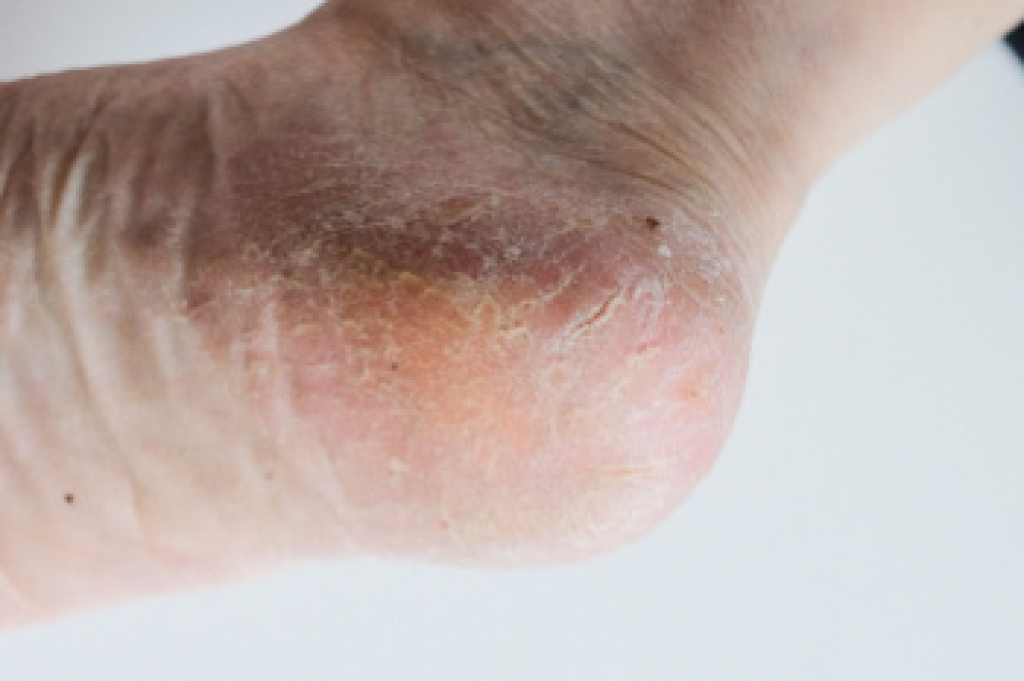
Cracked heels develop when the skin on the back of the foot becomes dry, thick, and less flexible, eventually splitting under pressure. These splits can be tender, unsightly, and sometimes deep enough to cause bleeding or infection. Restoring comfort begins with softening the skin so it can heal. Warm water soaks help loosen the outer layers, and applying a rich, emollient cream afterward locks in moisture. Regular use of products that gently break down thickened skin can also improve texture over time. Wearing supportive footwear with closed backs helps reduce pulling on the skin and prevents further cracking. Keeping socks on after moisturizing encourages better absorption and protects healing tissue. Because deeper fissures can lead to complications, especially for individuals with diabetes or circulation concerns, any persistent or painful cracking deserves attention. If your cracked heels are not improving or feel increasingly uncomfortable, it is suggested that you see a podiatrist for proper treatment and guidance.

If the skin on your feet starts to crack, you may want to see a podiatrist to find treatment. If you have any concerns, contact Tanisha Richmond, DPM from Richmond Foot & Ankle, LLC. Our doctor can provide the care you need to keep you pain-free and on your feet.

Cracked Heels

It is important to moisturize your cracked heels in order to prevent pain, bleeding, and infection. The reason cracked heels form is because the skin on the foot is too dry to support the immense pressure placed on them. When the foot expands, the dry skin on the foot begins to split.

Ways to Help Heal Them

  • Invest in a good foot cream
  • Try Using Petroleum Jelly
  • Ease up on Soaps
  • Drink Plenty of Water

Ways to Prevent Cracked Heels

  • Moisturize After Showering
  • Skip a Shower
  • Keep Shower Water Lukewarm
  • Don’t Scrub Your Feet

If you are unsure how to proceed in treating cracked heels, seek guidance from a podiatrist. Your doctor will help you with any questions or information you may need. 

If you have any questions, please feel free to contact our office located in Dayton, OH . We offer the newest diagnostic and treatment technologies for all your foot care needs.
Read more about Solutions for Cracked Heels

Connect With Us