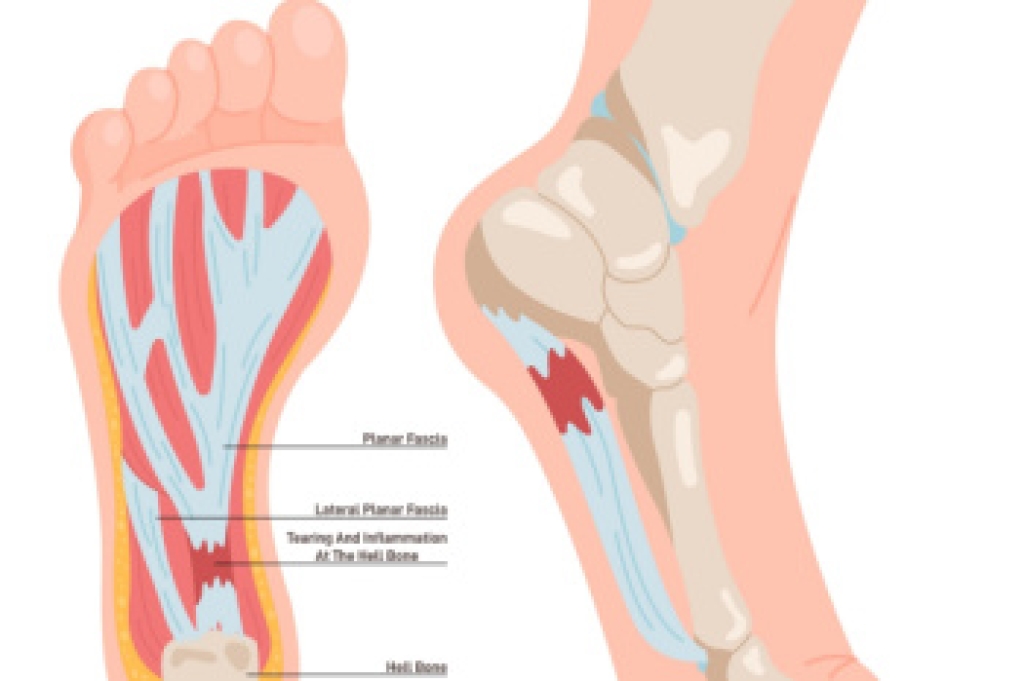
Risk Factors for Plantar Fasciitis

Plantar fasciitis is a common cause of heel pain that occurs when the thick band of tissue along the bottom of the foot becomes irritated. This condition often develops from repetitive strain, tight calf muscles, flat feet, high arches, or wearing unsupportive shoes. Symptoms include sharp heel pain with the first steps in the morning, tenderness, and stiffness after activity. Additionally, risk factors include increased activity levels, prolonged standing, aging, and excess weight. A podiatrist can diagnose the condition, provide custom treatment plans, and offer support through therapies, footwear guidance, and targeted exercises to reduce pain. If heel pain is disrupting your routine, it is suggested that you consult a podiatrist who can accurately diagnose and treat what may be going on.

Plantar fasciitis can be very painful and inconvenient. If you are experiencing heel pain or symptoms of plantar fasciitis, contact Tanisha Richmond, DPM  from Richmond Foot & Ankle, LLC. Our doctor can provide the care you need to keep you pain-free and on your feet.

What Is Plantar Fasciitis?

Plantar fasciitis is the inflammation of the thick band of tissue that runs along the bottom of your foot, known as the plantar fascia, and causes mild to severe heel pain.

What Causes Plantar Fasciitis?

  • Excessive running
  • Non-supportive shoes
  • Overpronation
  • Repeated stretching and tearing of the plantar fascia

How Can It Be Treated?

  • Conservative measures – anti-inflammatories, ice packs, stretching exercises, physical therapy, orthotic devices
  • Shockwave therapy – sound waves are sent to the affected area to facilitate healing and are usually used for chronic cases of plantar fasciitis
  • Surgery – usually only used as a last resort when all else fails. The plantar fascia can be surgically detached from the heel

While very treatable, plantar fasciitis is definitely not something that should be ignored. Especially in severe cases, speaking to your doctor right away is highly recommended to avoid complications and severe heel pain. Your podiatrist can work with you to provide the appropriate treatment options tailored to your condition.

If you have any questions, please feel free to contact our office located in Dayton, OH . We offer the newest diagnostic and treatment technologies for all your foot care needs.

Read more about Plantar Fasciitis

Do Your Child's Feet Hurt?

Have your child's feet been examined lately? Healthy feet are happy feet. If your child is complaining of foot pain, it may be a sign of underlying problems.

Foot Corns and How to Keep Your Feet Comfortable

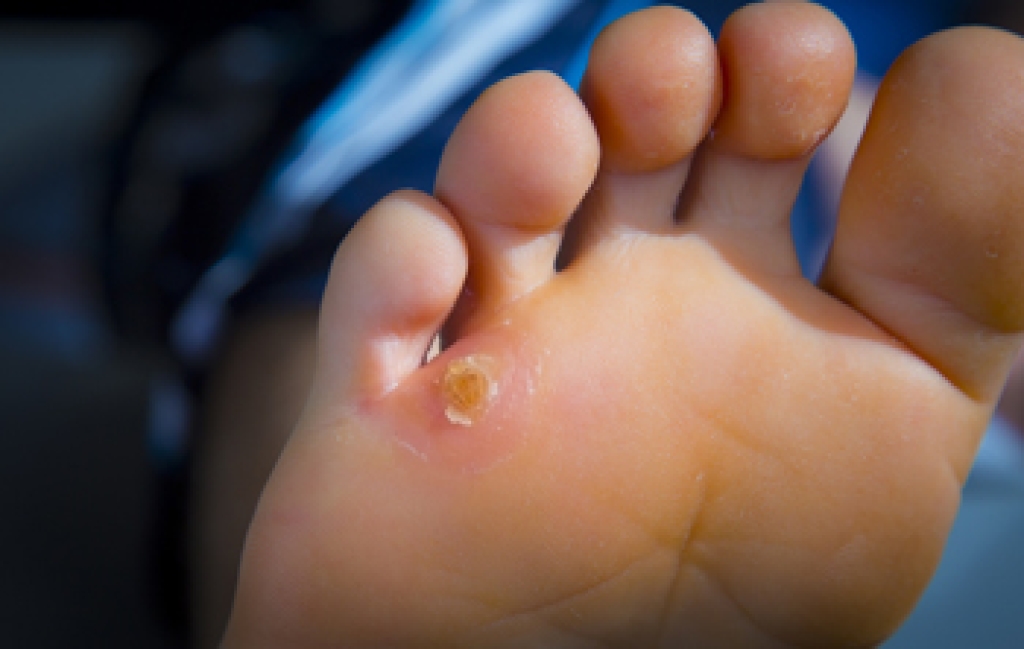
A foot corn is a common foot problem that develops when thickened skin forms in response to repeated pressure or friction. Corns often appear on toes or areas that rub against tight or poorly fitted shoes, leading to pain, tenderness, and irritation. They can become more uncomfortable over time if the pressure continues. Preventing corns starts with choosing comfortable shoes that fit well and do not create the same pressure spots. Soft insoles and protective pads can also reduce friction. A podiatrist can safely remove thickened skin, evaluate the cause of the pressure, and recommend footwear or orthotics to stop corns from returning. If you have ongoing foot discomfort or think you may have developed a corn, it is suggested that you schedule a visit with a podiatrist for expert care and relief.

Corns can make walking very painful and should be treated immediately. If you have questions regarding your feet and ankles, contact Tanisha Richmond, DPM of Richmond Foot & Ankle, LLC. Our doctor will treat your foot and ankle needs.

Corns: What Are They? And How Do You Get Rid of Them?
Corns are thickened areas on the skin that can become painful. They are caused by excessive pressure and friction on the skin. Corns press into the deeper layers of the skin and are usually round in shape.

Ways to Prevent Corns
There are many ways to get rid of painful corns such as:

  • Wearing properly fitting shoes that have been measured by a professional
  • Wearing shoes that are not sharply pointed or have high heels
  • Wearing only shoes that offer support

Treating Corns

Although most corns slowly disappear when the friction or pressure stops, this isn’t always the case. Consult with your podiatrist to determine the best treatment option for your case of corns.

If you have any questions, please feel free to contact our office located in Dayton, OH . We offer the newest diagnostic and treatment technologies for all your foot care needs.

Read more about Understanding Corns and Calluses

Custom Orthotics for High Heels

Custom Orthotics help you not have to choose between style and comfort. With Custom Orthotics designed for high heels, you can walk with confidence, knowing your feet are supported. Custom Orthotics help distribute pressure evenly, reducing the risk of pain and discomfort. Whether it's a day at the office or a night on the town, make every step graceful and pain-free. Discover the magic of Custom Orthotics for high heels by calling our office today.

What Can Cause Cracked Heels?

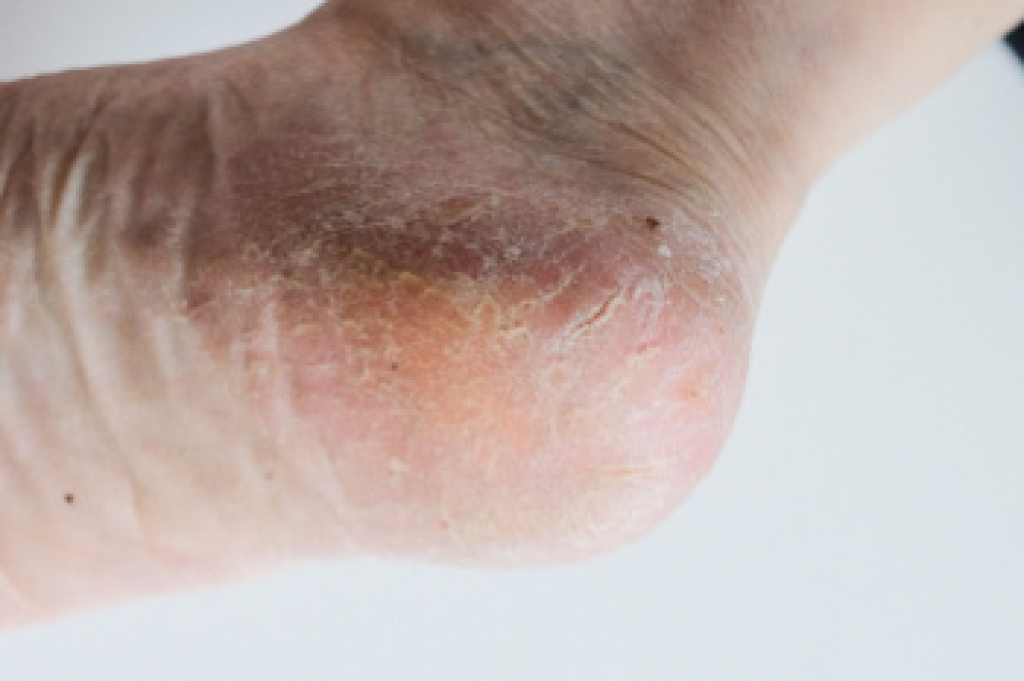
Cracked heels are a common foot concern that can cause discomfort and affect daily activities. They often develop when the skin becomes dry and thickened, leading to painful splits. Cracked heels may occur due to itching from an injury, underlying endocrine disease, improper hygiene, or a lack of essential vitamins and minerals that support healthy skin. Symptoms include rough skin, redness, peeling, tenderness, and, in severe cases, bleeding. A podiatrist can identify the root cause and provide treatments such as debridement, moisturizing therapies, guidance on nutritional support, and advice on proper foot care habits. Addressing cracked heels early can prevent infection and ongoing pain. If you have developed cracked heels, it is suggested that you consult a podiatrist who can offer relief and effective treatment solutions, which may include prescribed medication.

Cracked heels are unsightly and can cause further damage to your shoes and feet. If you have any concerns, contact Tanisha Richmond, DPM from Richmond Foot & Ankle, LLC. Our doctor can provide the care you need to keep you pain-free and on your feet.

Cracked Heels

Cracked heels appear unappealing and can make it harder for you walk around in sandals. Aside from looking unpleasant, cracked heels can also tear stockings, socks, and wear out your shoes. There are several methods to help restore a cracked heel and prevent further damage.

How Do You Get Them?

Dry skin is the number one culprit in creating cracked heels. Many athletes, walkers, joggers, and even swimmers suffer from cracked heels. Age and skin oil production play a role to getting cracked heels as well.

Promote Healing

Over the counter medicines can help, especially for those that need instant relief or who suffer from chronic dry feet.

Wear Socks – Wearing socks with medicated creams helps lock in moisture.

Moisturizers – Applying both day and night will help alleviate dryness which causes cracking.

Pumice Stones – These exfoliate and remove dead skin, which allows for smoother moisturizer application and better absorption into the skin. 

Change in Diet

Eating healthy with a well-balanced diet will give the skin a fresh and radiant look. Your body responds to the kinds of food you ingest. Omega-3 fatty acids and zinc supplements can also revitalize skin tissue.

Most importantly, seek professional help if unsure how to proceed in treating cracked heels. A podiatrist will help you with any questions or information needed. 

If you have any questions, please feel free to contact our office located in Dayton, OH . We offer the newest diagnostic and treatment technologies for all your foot care needs.
Read more about Solutions for Cracked Heels

Connect With Us