
Healthy Walking Feet

Walking is an excellent way to stay healthy, improving heart health, boosting mood, and supporting weight management. However, your feet bear the impact of every step, so proper care is essential for a safe and comfortable walking routine. Start by choosing well-fitting footwear with good arch support, cushioning, and a roomy toe box. Replace shoes when they show signs of wear, as worn-out soles can lead to discomfort or injury. Pay attention to your feet after walking. Look for signs of blisters, redness, or pain, which may indicate improper footwear or overuse. Stretch your feet and calves regularly to maintain flexibility and avoid stiffness. Use moisture-wicking socks to prevent irritation and keep feet dry. If foot pain or issues develop, it is suggested that you see a podiatrist. They can address concerns and guide you toward a pain-free, enjoyable walking routine.

Exercising your feet regularly with the proper foot wear is a great way to prevent injuries and build strength. If you have any concerns about your feet, contact Tanisha Richmond, DPM from Richmond Foot & Ankle, LLC. Our doctor can provide the care you need to keep you pain-free and on your feet.

Exercise for Your Feet

Exercise for your feet can help you gain strength, mobility and flexibility in your feet. They say that strengthening your feet can be just as rewarding as strengthening another part of the body. Your feet are very important, and we often forget about them in our daily tasks. But it is because of our feet that are we able to get going and do what we need to. For those of us fortunate enough to not have any foot problems, it is an important gesture to take care of them to ensure good health in the long run.

Some foot health exercises can include ankle pumps, tip-toeing, toe rises, lifting off the floor doing reps and sets, and flexing the toes. It is best to speak with Our doctor to determine an appropriate regimen for your needs. Everyone’s needs and bodies are different, and the activities required to maintain strength in the feet vary from individual to individual. 

Once you get into a routine of doing regular exercise, you may notice a difference in your feet and how strong they may become.

If you have any questions, please feel free to contact our office located in Dayton, OH . We offer the newest diagnostic and treatment technologies for all your foot care needs.
Read more about Exercise for Your Feet

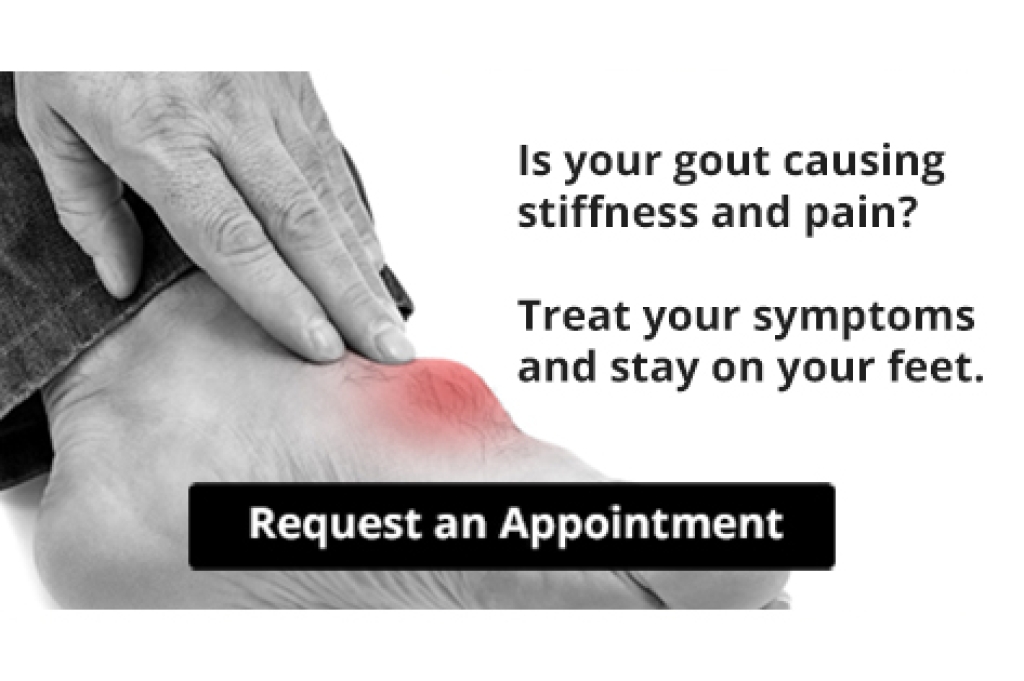
Gout Pain Can Be Managed

Gout is a painful, inflammatory form of arthritis. Those affected will typically feel an intense stiffness in the joints of their feet, particularly in the big toe. Schedule a visit to learn about how gout can be managed and treated.

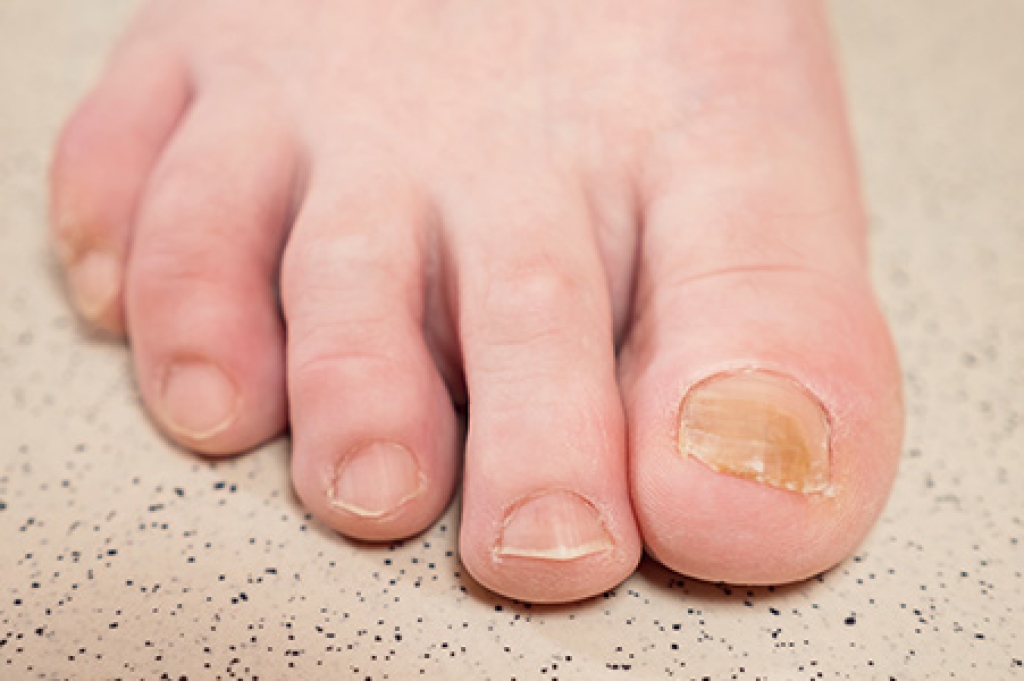
What Causes Toenails to Turn Yellow?

Yellow toenails have several potential causes. Gradual changes in toenail color often stem from fungal infections, such as onychomycosis, where the nail thickens, becomes brittle, and turns yellow. This condition is common in environments that promote moisture, like public showers, swimming pools, or gyms. It may also be the result of wearing tight footwear, poor circulation, or injury. Yellow toenails might also result from external factors, such as prolonged nail polish use, or indicate medical conditions like diabetes. A rare condition called yellow nail syndrome involves nail discoloration along with lymphedema and respiratory issues. A podiatrist can examine your toenails and diagnose the cause of discolored toenails. This type of doctor may recommend advanced antifungal treatments, changes to nail care routines, or further testing to rule out underlying conditions. If you have toenails that have turned yellow, it is suggested that you schedule an appointment with a podiatrist for an exam and treatment options.

Everyday foot care is very important to prevent infection and other foot ailments. If you need your feet checked, contact Tanisha Richmond, DPM from Richmond Foot & Ankle, LLC. Our doctor can provide the care you need to keep you pain-free and on your feet.

Everyday Foot Care

Often, people take care of their bodies, face and hair more so than they do for their feet. But the feet are a very important aspect of our bodies, and one that we should pay more attention to. Without our feet, we would not be able to perform most daily tasks.

It is best to check your feet regularly to make sure there are no new bruises or cuts that you may not have noticed before. For dry feet, moisturizer can easily be a remedy and can be applied as often as necessary to the affected areas. Wearing shoes that fit well can also help you maintain good foot health, as well as making it easier to walk and do daily activities without the stress or pain of ill-fitting shoes, high heels, or even flip flops. Wearing clean socks with closed shoes is important to ensure that sweat and bacteria do not accumulate within the shoe. Clean socks help to prevent Athlete’s foot, fungi problems, bad odors, and can absorb sweat.

If you have any questions, please feel free to contact our office located in Dayton, OH . We offer the newest diagnostic and treatment technologies for all your foot care needs.

Read more about Everyday Foot Care

Custom Orthotics For Foot and Heel Pain

Step into relief and reclaim your mobility! Foot and heel pain can be a thing of the past with the right Custom Orthotics. Customized to your unique foot structure, they provide the support and alignment needed to alleviate discomfort. Whether you're walking, running, or simply standing, Custom Orthotics ensure every step is cushioned and pain-free. Don't let foot ailments dictate your day. With Custom Orthotics, embrace a world of comfort and freedom. Call today to schedule an appointment.

Understanding Athlete's Foot

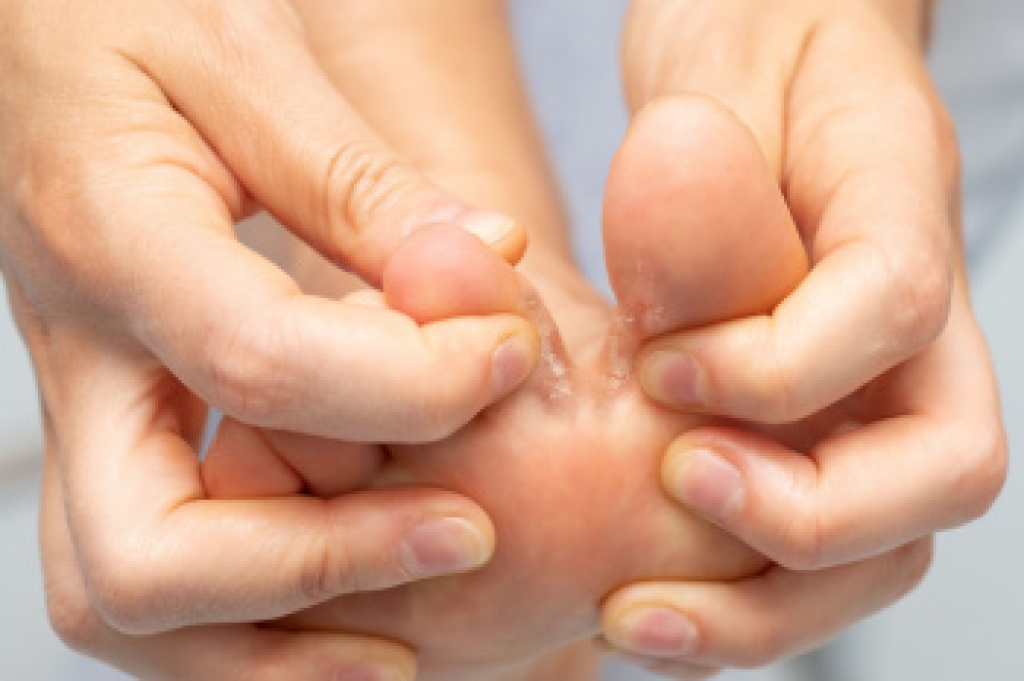
Athlete's foot is a fungal infection that affects the skin on the feet, often between the toes. It is caused by a group of fungi known as dermatophytes, which thrive in warm, moist environments. The infection occurs when the fungi come into contact with the skin, leading to symptoms such as itching, redness, peeling, and sometimes blisters. Athlete's foot is extremely contagious and can spread through direct contact with an infected person or contaminated surfaces, such as public showers, locker rooms, and pools. Wearing tight shoes, sweaty socks, or walking barefoot in damp areas increases the risk of developing the infection. Individuals with weakened immune systems or poor foot hygiene are also more susceptible. If you have symptoms of athlete’s foot, it is suggested that you promptly contact a podiatrist who can offer you effective treatment methods, which may include prescribed medication.

Athlete’s Foot

Athlete’s foot is often an uncomfortable condition to experience. Thankfully, podiatrists specialize in treating athlete’s foot and offer the best treatment options. If you have any questions about athlete’s foot, consult with Tanisha Richmond, DPM from Richmond Foot & Ankle, LLC. Our doctor will assess your condition and provide you with quality treatment.

What Is Athlete’s Foot?

Tinea pedis, more commonly known as athlete’s foot, is a non-serious and common fungal infection of the foot. Athlete’s foot is contagious and can be contracted by touching someone who has it or infected surfaces. The most common places contaminated by it are public showers, locker rooms, and swimming pools. Once contracted, it grows on feet that are left inside moist, dark, and warm shoes and socks.

Prevention

The most effective ways to prevent athlete’s foot include:

  • Thoroughly washing and drying feet
  • Avoid going barefoot in locker rooms and public showers
  • Using shower shoes in public showers
  • Wearing socks that allow the feet to breathe
  • Changing socks and shoes frequently if you sweat a lot

Symptoms

Athlete’s foot initially occurs as a rash between the toes. However, if left undiagnosed, it can spread to the sides and bottom of the feet, toenails, and if touched by hand, the hands themselves. Symptoms include:

  • Redness
  • Burning
  • Itching
  • Scaly and peeling skin

Diagnosis and Treatment

Diagnosis is quick and easy. Skin samples will be taken and either viewed under a microscope or sent to a lab for testing. Sometimes, a podiatrist can diagnose it based on simply looking at it. Once confirmed, treatment options include oral and topical antifungal medications.

If you have any questions, please feel free to contact our office located in Dayton, OH . We offer the newest diagnostic and treatment technologies for all your foot care needs.
Read more about Athlete's Foot

Connect With Us