The Importance of Diagnosing an Ankle Sprain

The bones in the ankle are connected by a variety of ligaments. Ankle sprains occur when these ligaments become either overstretched or torn, usually because the ankle is twisted. Mild ankle sprains mean that the ankle is tender and swollen, but more severe ankle sprains can make the ankle unstable and unable to support any weight. Patients who believe they may have sprained an ankle would be wise to consult with a podiatrist, because the symptoms of an ankle sprain are similar to those of a broken ankle, and an x-ray may be necessary. Recurring or severe sprains can also cause long-term weakness and joint pain. Upon the diagnosis of an ankle sprain (or fracture), a podiatrist will be able to provide a treatment plan for the injury.   

Ankle sprains are common but need immediate attention. If you need your feet checked, contact Tanisha Richmond, DPM from Richmond Foot & Ankle, LLC. Our doctor can provide the care you need to keep you pain-free and on your feet.

How Does an Ankle Sprain Occur?

Ankle sprains take place when the ligaments in your ankle are torn or stretched beyond their limits. There are multiple ways that the ankle can become injured, including twisting or rolling over onto your ankle, putting undue stress on it, or causing trauma to the ankle itself.

What Are the Symptoms?

  • Mild to moderate bruising
  • Limited mobility
  • Swelling
  • Discoloration of the skin (depending on severity)

Preventing a Sprain

  • Wearing appropriate shoes for the occasion
  • Stretching before exercises and sports
  • Knowing your limits

Treatment of a Sprain

Treatment of a sprain depends on the severity.  Many times, people are told to rest and remain off their feet completely, while others are given an air cast. If the sprain is very severe, surgery may be required.

If you have suffered an ankle sprain previously, you may want to consider additional support such as a brace and regular exercises to strengthen the ankle.

If you have any questions please feel free to contact our office located in Dayton, OH . We offer the newest diagnostic tools and technology to treat your foot and ankle needs.


Read more about Ankle Sprains

Are Bunions Affecting Your Everyday Life?

Have you noticed a bony protrusion on the side of your big toe? If so, you may have developed the foot condition known as a bunion. Don't let bunions interfere with your daily activities.

Where Does It Hurt? A Quick Guide to Heel Pain

When it comes to heel pain one of the best ways to get an accurate diagnosis is to describe the location of the pain to your podiatrist. The sources of heel pain vary, depending on exactly where the heel hurts. For example, pain in the back of the heel may indicate a problem with the Achilles tendon, bursa, soft tissues and bones, or the heel’s growth plate. Pain on the bottom of the heel may be caused by plantar fasciitis or fat pad atrophy. Treatments for heel pain differ, depending on the underlying cause of the pain. In addition to taking a medical history, your podiatrist will also complete a physical examination and undergo various tests or imaging studies, such as X-rays or ultrasounds, to confirm a diagnosis. If you are experiencing heel pain, it is suggested that you schedule an appointment with a podiatrist near you.

Many people suffer from bouts of heel pain. For more information, contact Tanisha Richmond, DPM of Richmond Foot & Ankle, LLC. Our doctor can provide the care you need to keep you pain-free and on your feet.

Causes of Heel Pain

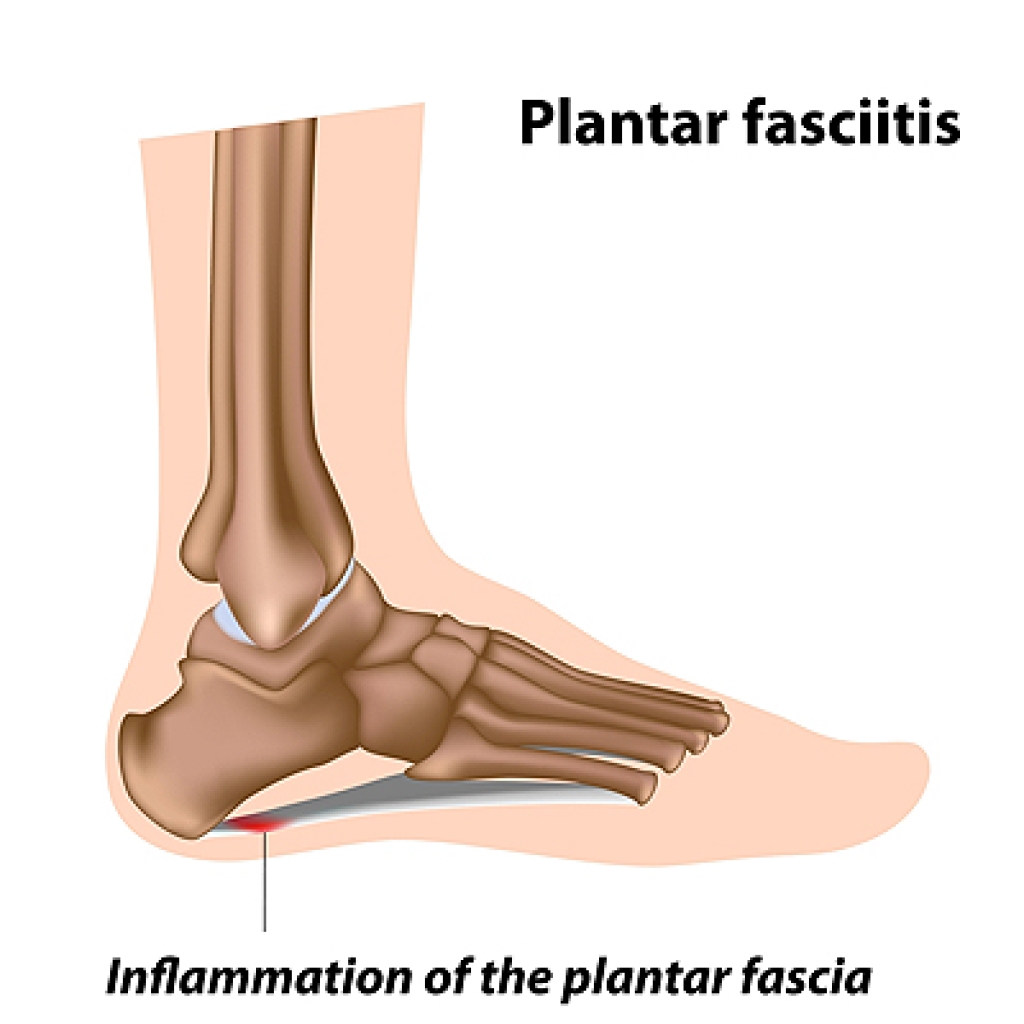
Heel pain is often associated with plantar fasciitis. The plantar fascia is a band of tissues that extends along the bottom of the foot. A rip or tear in this ligament can cause inflammation of the tissue.

Achilles tendonitis is another cause of heel pain. Inflammation of the Achilles tendon will cause pain from fractures and muscle tearing. Lack of flexibility is also another symptom.

Heel spurs are another cause of pain. When the tissues of the plantar fascia undergo a great deal of stress, it can lead to ligament separation from the heel bone, causing heel spurs.

Why Might Heel Pain Occur?

  • Wearing ill-fitting shoes                
  • Wearing non-supportive shoes
  • Weight change           
  • Excessive running

Treatments

Heel pain should be treated as soon as possible for immediate results. Keeping your feet in a stress-free environment will help. If you suffer from Achilles tendonitis or plantar fasciitis, applying ice will reduce the swelling. Stretching before an exercise like running will help the muscles. Using all these tips will help make heel pain a condition of the past.

If you have any questions, please feel free to contact our office located in Dayton, OH . We offer the newest diagnostic and treatment technologies for all your foot care needs.

Read more about Heel Pain

Risk Factors Associated With Plantar Fasciitis

Plantar fasciitis is a common foot injury in which the plantar fascia becomes inflamed. The plantar fascia is a ligament that runs along the bottom of the foot, connecting the heel bone to the toes. This ligament can become damaged when it is strained through repetitive overuse or a sudden increase in physical activity, such as running. Standing for prolonged periods of time, exercising on hard surfaces, and wearing shoes that lack proper support or fit poorly can also injure the plantar fascia. People who have flat feet or high arches, are overweight, have had foot or ankle injuries, or are over age 40 are more likely to develop plantar fasciitis. If you are suffering from foot pain, please seek the care of a podiatrist for diagnosis and treatment options.

Plantar fasciitis can be very painful and inconvenient. If you are experiencing heel pain or symptoms of plantar fasciitis, contact Tanisha Richmond, DPM  from Richmond Foot & Ankle, LLC. Our doctor can provide the care you need to keep you pain-free and on your feet.

What Is Plantar Fasciitis?

Plantar fasciitis is the inflammation of the thick band of tissue that runs along the bottom of your foot, known as the plantar fascia, and causes mild to severe heel pain.

What Causes Plantar Fasciitis?

  • Excessive running
  • Non-supportive shoes
  • Overpronation
  • Repeated stretching and tearing of the plantar fascia

How Can It Be Treated?

  • Conservative measures – anti-inflammatories, ice packs, stretching exercises, physical therapy, orthotic devices
  • Shockwave therapy – sound waves are sent to the affected area to facilitate healing and are usually used for chronic cases of plantar fasciitis
  • Surgery – usually only used as a last resort when all else fails. The plantar fascia can be surgically detached from the heel

While very treatable, plantar fasciitis is definitely not something that should be ignored. Especially in severe cases, speaking to your doctor right away is highly recommended to avoid complications and severe heel pain. Your podiatrist can work with you to provide the appropriate treatment options tailored to your condition.

If you have any questions, please feel free to contact our office located in Dayton, OH . We offer the newest diagnostic and treatment technologies for all your foot care needs.

Read more about Plantar Fasciitis

Are You Suffering From Ingrown Toenails?

If left untreated, an ingrown toenail can lead to more serious concerns, such as an infection. Knowing proper nail care can help in the prevention of an ingrown toenail. Give us a call, and get treated!

Connect With Us