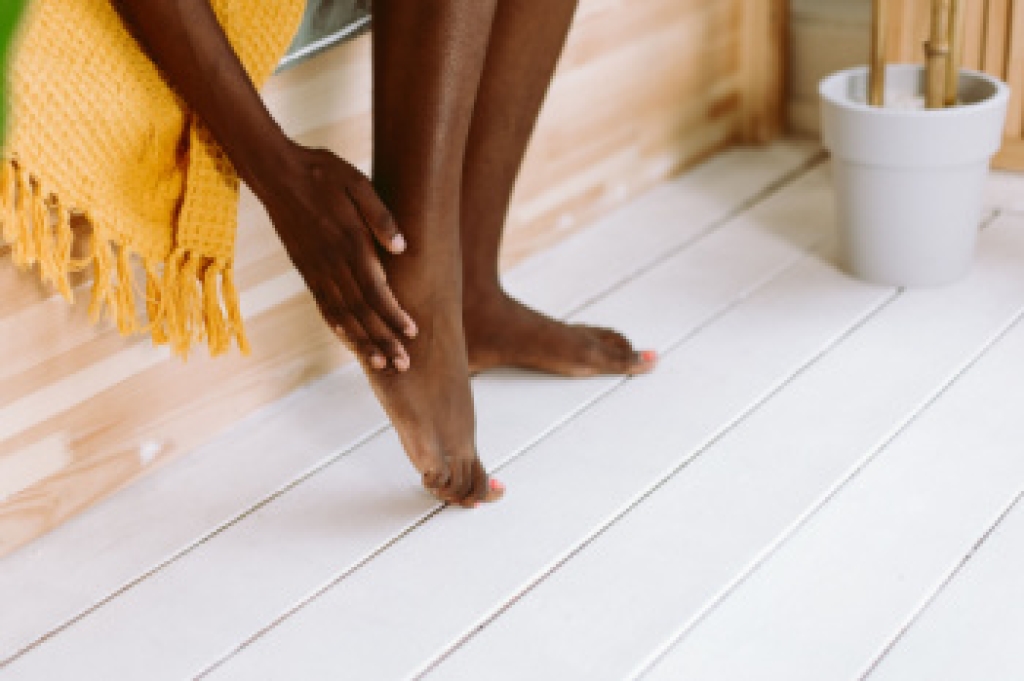
Proper Foot Care Tips for Trail Running

Because trail running challenges the feet with constant impact and shifting terrain, proper preparation is needed to keep them healthy and strong. Experts recommend wearing trail shoes that fit securely through the heel and midfoot while allowing enough room in the toe box to prevent pressure on the toenails. Moisture-wicking socks are also suggested to reduce friction and keep the skin dry, which helps prevent blisters and irritation. Many trail runners benefit from shoes with good traction and support around the arch and ankle to handle uneven ground and quick directional changes. Paying attention to how the laces are tied can improve stability on steep trails. A podiatrist can evaluate your running mechanics, provide guidance on shoe selection, and offer treatment if discomfort or injury develops. If you experience foot or ankle pain while trail running, it is suggested that you make an appointment with a podiatrist for a diagnosis and treatment.

All runners should take extra precaution when trying to avoid injury. If you have any concerns about your feet, contact Tanisha Richmond, DPM of Richmond Foot & Ankle, LLC. Our doctor will treat your foot and ankle needs.

How to Prevent Running Injuries

There are a lot of mistakes a runner can make prior to a workout that can induce injury. A lot of athletes tend to overstretch before running, instead of saving those workouts for a post-run routine. Deep lunges and hand-to-toe hamstring pulls should be performed after a workout instead of during a warmup. Another common mistake is jumping into an intense routine before your body is physically prepared for it. You should try to ease your way into long-distance running instead of forcing yourself to rush into it.

More Tips for Preventing Injury

  • Incorporate Strength Training into Workouts - This will help improve the body’s overall athleticism
  • Improve and Maintain Your Flexibility – Stretching everyday will help improve overall performance
  • “Warm Up” Before Running and “Cool Down” Afterward – A warm up of 5-10 minutes helps get rid of lactic acid in the muscles and prevents delayed muscle soreness
  • Cross-Training is Crucial
  • Wear Proper Running Shoes
  • Have a Formal Gait Analysis – Poor biomechanics can easily cause injury

If you have any questions, please feel free to contact our office located in Dayton, OH . We offer the newest diagnostic and treatment technologies for all your foot care needs.


Read more about How to Prevent Running Injuries

Reminder: When Was the Last Time...?

Custom orthotics, or shoe inserts, should be periodically replaced. Orthotics must fit properly to give you the best results. Protect your feet and ankles!

Common Causes of Foot Stress Fractures

Foot stress fractures related to activity develop when repeated force overwhelms the bones in the feet. Pain often begins gradually in the forefoot, heel, or midfoot and increases during activity, with soreness that continues afterward. Sports involving running, jumping, or direction changes strain foot bones like the metatarsals, calcaneus, and navicular, though athletes are not the only people affected. Risk factors include sudden increases in training, uneven foot alignment, flat feet or high arches, and prior fractures. Footwear choices like flip-flops or shoes that lack support can increase stress. A podiatrist can examine foot structure, order imaging to confirm the diagnosis, and recommend treatment to reduce long-term complications. If you have symptoms of foot stress fractures, it is suggested that you make an appointment with a podiatrist for a diagnosis and options for help.

Stress fractures occur when there is a tiny crack within a bone. To learn more, contact Tanisha Richmond, DPM from Richmond Foot & Ankle, LLC. Our doctor can provide the care you need to keep you pain free and on your feet.

How Are They Caused?

Stress fractures are the result of repetitive force being placed on the bone. Since the lower leg and feet often carry most of the body’s weight, stress fractures are likely to occur in these areas. If you rush into a new exercise, you are more likely to develop a stress fracture since you are starting too much, too soon.  Pain resulting from stress fractures may go unnoticed at first, however it may start to worsen over time.

Risk Factors

  • Gender – They are more commonly found in women compared to men.
  • Foot Problems – People with unusual arches in their feet are more likely to develop stress fractures.
  • Certain Sports – Dancers, gymnasts, tennis players, runners, and basketball players are more likely to develop stress fractures.
  • Lack of Nutrients – A lack of vitamin D and calcium may weaken the bones and make you more prone to stress fractures
  • Weak Bones – Osteoporosis can weaken the bones therefore resulting in stress fractures

Stress fractures do not always heal properly, so it is important that you seek help from a podiatrist if you suspect you may have one. Ignoring your stress fracture may cause it to worsen, and you may develop chronic pain as well as additional fractures.

If you have any questions please contact our office located in Dayton, OH . We offer the newest diagnostic and treatment technologies for all your foot and ankle needs.

Read more about Stress Fractures of the Foot and Ankle

Custom Orthotics Help Runners Protect Their Feet

Runners, meet your game-changer: Custom Orthotics. Every stride matters, and with Custom Orthotics, you can ensure optimal foot alignment, reducing stress on joints and muscles. They help absorb shock, protect against injuries, and can even enhance your running efficiency. Whether you're sprinting short distances or conquering marathons, Custom Orthotics provide the support and balance your feet crave. Call today for more information.

Causes of Heel Pain

Heel pain is a frequent foot concern and can develop from a variety of conditions. The most common cause is plantar fasciitis, which involves irritation of the thick tissue band that runs from the heel to the toes. Other frequent causes include Achilles tendonitis, heel spurs, and repetitive strain from activities such as running or prolonged standing. Symptoms often present as sharp, stabbing, or aching pain that is typically worse with the first steps in the morning or after resting. Stiffness, swelling, or redness may also be present. Diagnosis usually begins with a physical examination and may include imaging studies, such as X-rays or MRI scans, to identify underlying issues. Treatment varies based on the cause and may include supportive footwear, orthotics, stretching exercises, or other targeted therapies. In rare cases, surgical intervention may be considered. If heel pain persists, it is suggested that you make an appointment with a podiatrist for an accurate diagnosis and appropriate care.

Many people suffer from bouts of heel pain. For more information, contact Tanisha Richmond, DPM of Richmond Foot & Ankle, LLC. Our doctor can provide the care you need to keep you pain-free and on your feet.

Causes of Heel Pain

Heel pain is often associated with plantar fasciitis. The plantar fascia is a band of tissues that extends along the bottom of the foot. A rip or tear in this ligament can cause inflammation of the tissue.

Achilles tendonitis is another cause of heel pain. Inflammation of the Achilles tendon will cause pain from fractures and muscle tearing. Lack of flexibility is also another symptom.

Heel spurs are another cause of pain. When the tissues of the plantar fascia undergo a great deal of stress, it can lead to ligament separation from the heel bone, causing heel spurs.

Why Might Heel Pain Occur?

  • Wearing ill-fitting shoes                
  • Wearing non-supportive shoes
  • Weight change           
  • Excessive running

Treatments

Heel pain should be treated as soon as possible for immediate results. Keeping your feet in a stress-free environment will help. If you suffer from Achilles tendonitis or plantar fasciitis, applying ice will reduce the swelling. Stretching before an exercise like running will help the muscles. Using all these tips will help make heel pain a condition of the past.

If you have any questions, please feel free to contact our office located in Dayton, OH . We offer the newest diagnostic and treatment technologies for all your foot care needs.

Read more about Heel Pain

Connect With Us