Possible Causes of Morton’s Neuroma

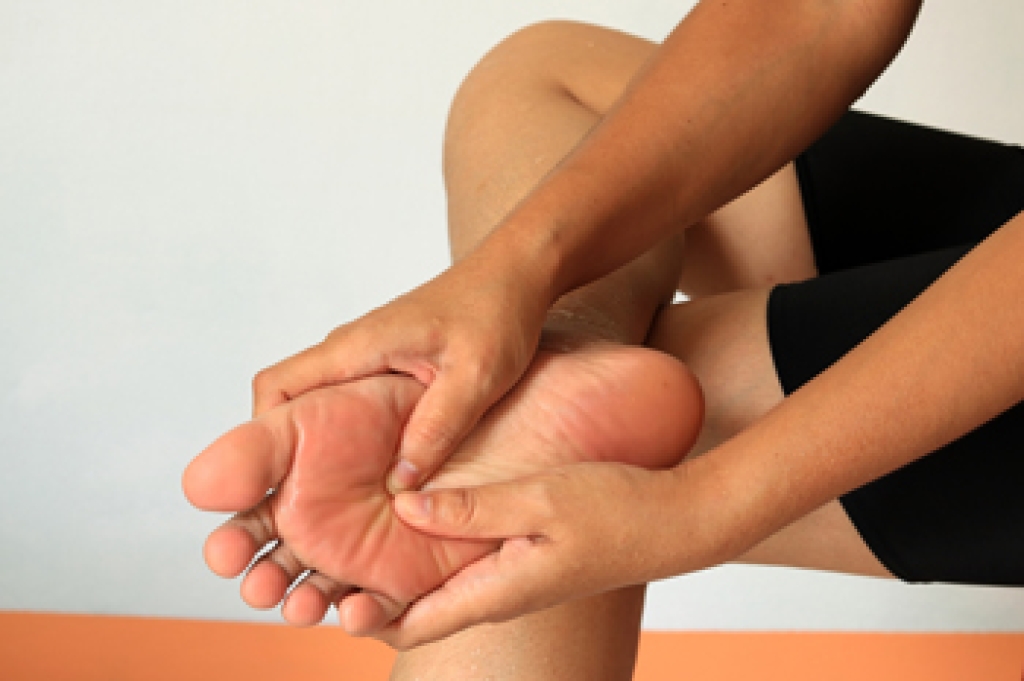
The medical condition that is known as Morton’s neuroma is defined as swelling around the nerves that pass between the bones in the foot. It can cause pain and discomfort at the ball of the foot, as well as a burning or numbing sensation in the toes. It can develop as a result of a muscular disorder, in addition to participating in certain sporting activities. Wearing high heels may cause this condition to develop, and this can be due to minimal room for the toes to move freely in. Effective treatments may consist of wearing custom made orthotics, and performing specific exercises and stretches that may help in the healing process. If you have any of these symptoms, it is advised that you are under the care of a podiatrist who can offer correct treatment techniques.

Morton’s neuroma is a very uncomfortable condition to live with. If you think you have Morton’s neuroma, contact Tanisha Richmond, DPM of Richmond Foot & Ankle, LLC. Our doctor will attend to all of your foot care needs and answer any of your related questions.  

Morton’s Neuroma

Morton's neuroma is a painful foot condition that commonly affects the areas between the second and third or third and fourth toe, although other areas of the foot are also susceptible. Morton’s neuroma is caused by an inflamed nerve in the foot that is being squeezed and aggravated by surrounding bones.

What Increases the Chances of Having Morton’s Neuroma?

  • Ill-fitting high heels or shoes that add pressure to the toe or foot
  • Jogging, running or any sport that involves constant impact to the foot
  • Flat feet, bunions, and any other foot deformities

Morton’s neuroma is a very treatable condition. Orthotics and shoe inserts can often be used to alleviate the pain on the forefront of the feet. In more severe cases, corticosteroids can also be prescribed. In order to figure out the best treatment for your neuroma, it’s recommended to seek the care of a podiatrist who can diagnose your condition and provide different treatment options.

If you have any questions, please feel free to contact our office located in Dayton, OH . We offer the newest diagnostic and treatment technologies for all your foot care needs.


Read more about Morton's Neuroma

Do Your Child's Feet Hurt?

Have your child's feet been examined lately? Healthy feet are happy feet. If your child is complaining of foot pain, it may be a sign of underlying problems.

How to Pick the Correct Shoe Size

Many foot related conditions arise due to use of improper footwear. Wearing shoes that don’t fit your feet properly can lead to the development of bunions and hammertoes, as well cause poor circulation. In order to prevent these conditions, it’s suggested you take certain measures when shopping for your footwear. To begin, it is helpful to regularly measure your feet, as their size may change with age. When shopping for shoes, it’s suggested that you do so towards the end of the day when the feet are at their largest. By doing this, you’re avoiding buying shoes that may actually be too small for your feet. Ensure that there is enough room for your toes to move around, and that they are not being too confined. You should also try walking around in the shoes, that way you can better gage their overall comfort. For more tips on how to choose the perfect shoe for you, we suggest reaching out to a podiatrist for professional advice.

It is important to find shoes that fit you properly in order to avoid a variety of different foot problems. For more information about treatment, contact Tanisha Richmond, DPM from Richmond Foot & Ankle, LLC. Our doctor will treat your foot and ankle needs.

Proper Shoe Fitting

Shoes have many different functions. They cushion our body weight, protect our feet, and allow us to safely play sports. You should always make sure that the shoes you wear fit you properly in order to avoid injuries and deformities such as: bunions, corns, calluses, hammertoes, plantar fasciitis, stress fractures, and more. It is important to note that although a certain pair of shoes might be a great fit for someone else, that doesn’t mean they will be a great fit for you. This is why you should always try on shoes before buying them to make sure they are worth the investment. Typically, shoes need to be replaced ever six months to one year of regular use.

Tips for Proper Shoe Fitting

  • Select a shoe that is shaped like your foot
  • Don’t buy shoes that fit too tight, expecting them to stretch to fit
  • Make sure there is enough space (3/8” to ½”) for your longest toe at the end of each shoe when you are standing up
  • Walk in the shoes to make sure they fit and feel right
  • Don’t select shoes by the size marked inside the shoe, but by how the shoe fits your foot

The shoes you buy should always feel as good as they look. Shoes that fit properly will last longer, feel better, and improve your way of life each day.

If you have any questions please contact our office located in Dayton, OH . We offer the newest diagnostic and treatment technologies for all your foot and ankle needs.

Read more about Proper Shoe Fitting

What You Need to Know About Your Bunion

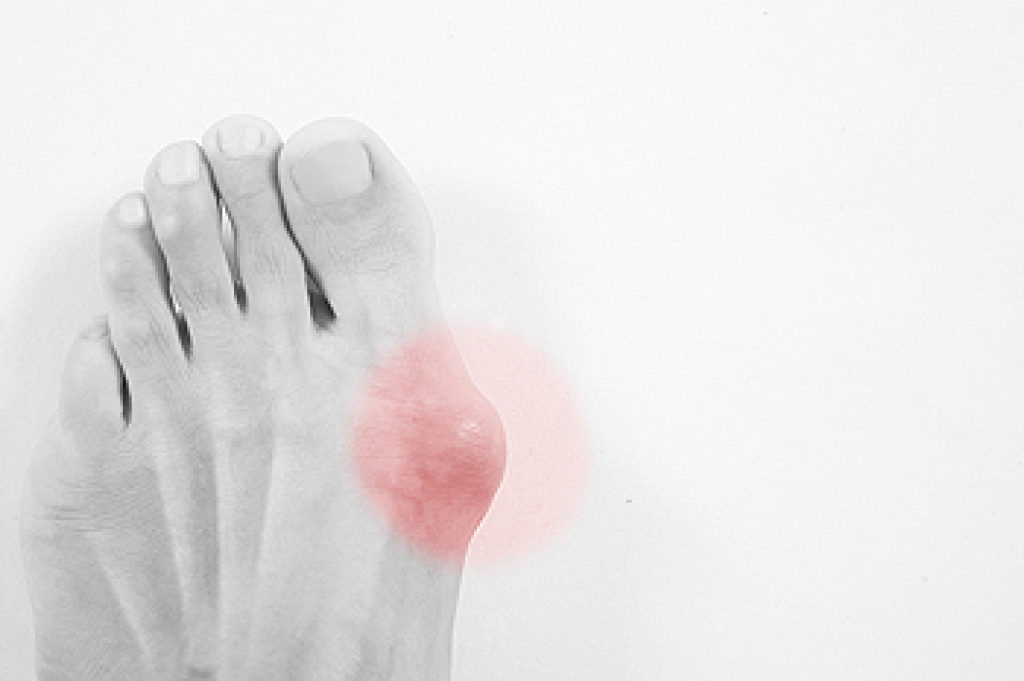
When the base of your big toe begins to jut outwards, that is normally a sign that you may have a bunion. This can occur due to a deformity with the toe joint, causing the big toe to begin to bend towards your other toes. Unfortunately, bunions are often accompanied with both pain and discomfort felt in the affected area. When this occurs, it is suggested you seek professional care from a podiatrist. They may develop due to hereditary reasons, as well as due to wearing tightly fitted shoes, socks, or tights, that do not conform to the shape of your foot. Bunion pads can be worn to help alleviate the pressure felt on the bunion, and icing the affected joint can be used as a means to lessen the pain experienced. For a proper diagnosis and an advised treatment plan, we suggest you consult with a podiatrist.

If you are suffering from bunion pain, contact Tanisha Richmond, DPM of Richmond Foot & Ankle, LLC. Our doctor can provide the care you need to keep you pain-free and on your feet.

What Is a Bunion?

Bunions are painful bony bumps that usually develop on the inside of the foot at the joint of the big toe. As the deformity increases over time, it may become painful to walk and wear shoes. Women are more likely to exacerbate existing bunions since they often wear tight, narrow shoes that shift their toes together. Bunion pain can be relieved by wearing wider shoes with enough room for the toes.

Causes

  • Genetics – some people inherit feet that are more prone to bunion development
  • Inflammatory Conditions - rheumatoid arthritis and polio may cause bunion development

Symptoms

  • Redness and inflammation
  • Pain and tenderness
  • Callus or corns on the bump
  • Restricted motion in the big toe

In order to diagnose your bunion, your podiatrist may ask about your medical history, symptoms, and general health. Your doctor might also order an x-ray to take a closer look at your feet. Nonsurgical treatment options include orthotics, padding, icing, changes in footwear, and medication. If nonsurgical treatments don’t alleviate your bunion pain, surgery may be necessary.

If you have any questions, please feel free to contact our office located in Dayton, OH . We offer the newest diagnostic and treatment technologies for all your foot care needs.
Read more about Bunions

Connect With Us