
Plantar warts are small growths that develop on parts of the feet that bear weight. They're typically found on the bottom of the foot. Don't live with plantar warts, and call us today!
Plantar warts are small growths that develop on parts of the feet that bear weight. They're typically found on the bottom of the foot. Don't live with plantar warts, and call us today!
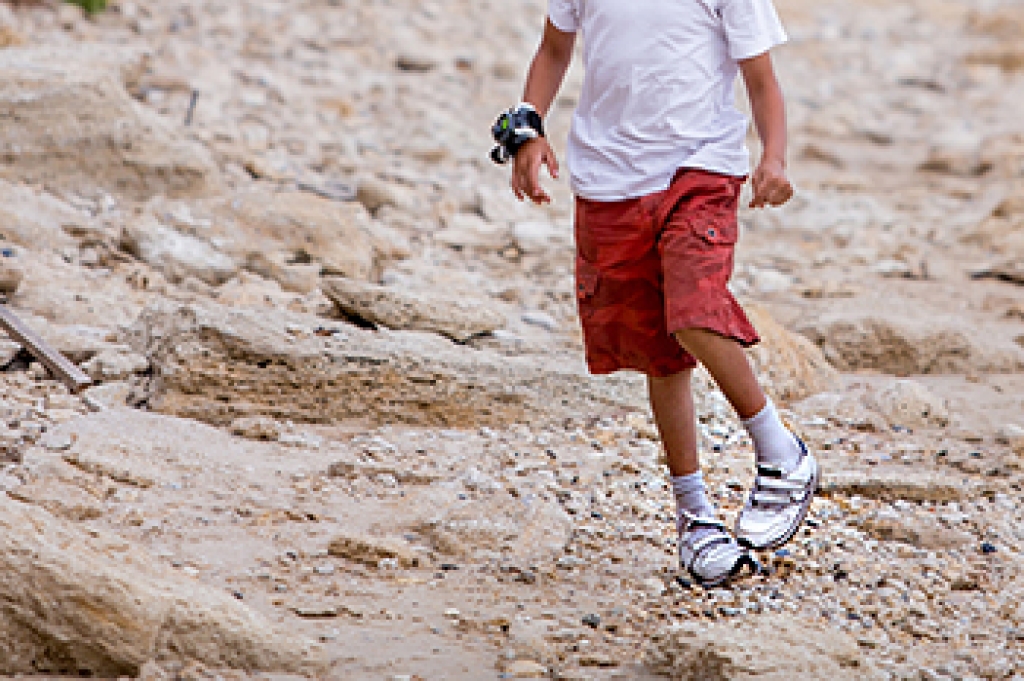
Clubfoot is a congenital condition in which a newborn’s foot is twisted out of its normal position, often turning inward or downward. The exact cause is not always known, but clubfoot may be related to genetic factors, abnormal fetal development, or limited space in the womb. Symptoms include a visibly misshapen foot, stiffness, and difficulty with normal movement as the child grows. Early diagnosis and treatment are essential for proper development. A podiatrist can help by guiding specialized care that may include stretching, casting, bracing, or monitoring long-term foot function. Early intervention leads to better outcomes and improved mobility. If your child has signs of clubfoot, it is strongly suggested that you include a podiatrist on your health care team to ensure healthy growth and support proper foot alignment.
Congenital foot problems require immediate attention to avoid future complications. If you have any concerns, contact Tanisha Richmond, DPM of Richmond Foot & Ankle, LLC. Our doctor can provide the care you need to keep you pain-free and on your feet.
Congenital foot problems are deformities affecting the feet, toes, and/or ankles that children are born with. Some of these conditions have a genetic cause while others just happen. Some specific foot ailments that children may be born with include clubfeet, polydactyly/macrodactyly, and cleft foot. There are several other foot anomalies that can occur congenitally. What all of these conditions have in common is that a child may experience difficulty walking or performing everyday activities, as well as trouble finding footwear that fits their foot deformity. Some of these conditions are more serious than others. Consulting with a podiatrist as early as possible will help in properly diagnosing a child’s foot condition while getting the necessary treatment underway.
What are Causes of Congenital Foot Problem?
A congenital foot problem is one that happens to a child at birth. These conditions can be caused by a genetic predisposition, developmental or positional abnormalities during gestation, or with no known cause.
What are Symptoms of Congenital Foot Problems?
Symptoms vary by the congenital condition. Symptoms may consist of the following:
Treatment and Prevention
While there is nothing one can do to prevent congenital foot problems, raising awareness and receiving neonatal screenings are important. Early detection by taking your child to a podiatrist leads to the best outcome possible.
If you have any questions, please feel free to contact our office located in Dayton, OH . We offer the newest diagnostic and treatment technologies for all your foot care needs.

Discover the long-term benefits of orthotics! Tailored to your unique foot structure, Custom Orthotics ensure every step radiates comfort and helps reduce foot and heel pain. Beyond comfort, they enhance your posture, allowing you to stand taller and walk with confidence. Whether you're casually strolling or actively running, they can elevate your performance. Call our office today and see if Custom Orthotics are right for you.
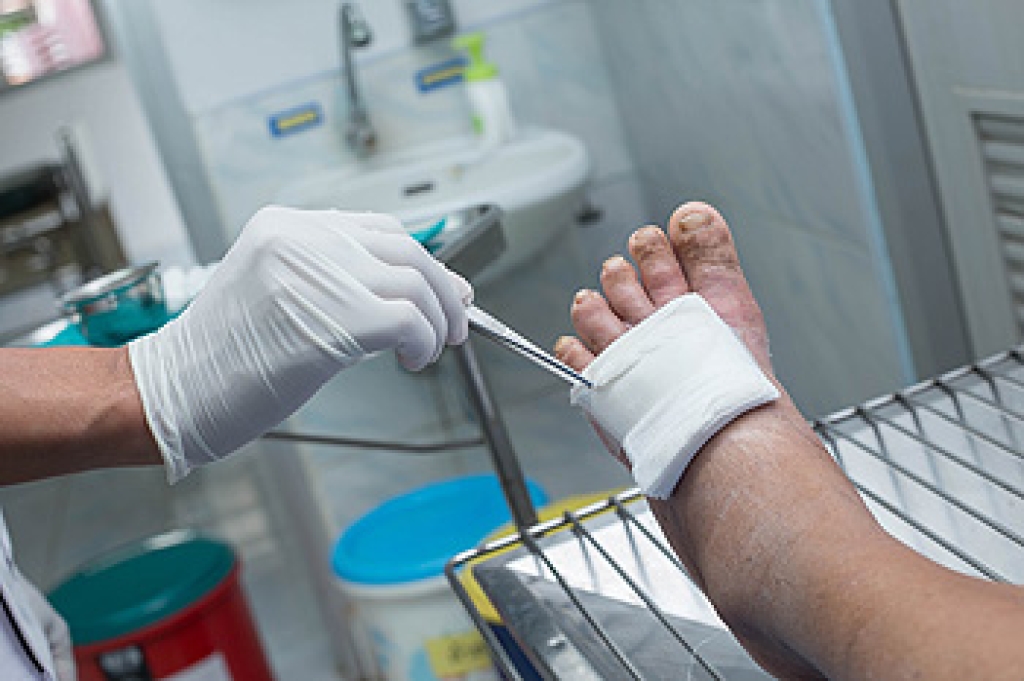
Diabetic wounds, especially on the feet, are a serious concern for individuals with diabetes, due to poor circulation and reduced sensation. These wounds may begin as small cuts, blisters, or pressure sores and can quickly develop into ulcers if not properly treated. They may appear red and swollen, or drain fluid, but may not be painful due to nerve damage. Common causes include high blood sugar levels, poor foot hygiene, ill-fitting shoes, and unnoticed injuries. A podiatrist plays a vital role in diabetic wound care by diagnosing the severity of the wound through physical examination and, when needed, imaging or lab tests. Treatments may include wound cleaning, debridement, pressure offloading, and advanced wound dressings. A podiatrist also provides education on proper foot care and prevention strategies to reduce the risk of future wounds. If you notice signs of a foot wound, it is suggested that you make an appointment with a podiatrist immediately to avoid serious complications.
Diabetic foot care is important in preventing foot ailments such as ulcers. If you are suffering from diabetes or have any other concerns about your feet, contact Tanisha Richmond, DPM from Richmond Foot & Ankle, LLC. Our doctor can provide the care you need to keep you pain-free and on your feet.
Diabetic Foot Care
Diabetes affects millions of people every year. The condition can damage blood vessels in many parts of the body, especially the feet. Because of this, taking care of your feet is essential if you have diabetes, and having a podiatrist help monitor your foot health is highly recommended.
The Importance of Caring for Your Feet
Patients with diabetes should have their doctor monitor their blood levels, as blood sugar levels play such a huge role in diabetic care. Monitoring these levels on a regular basis is highly advised.
It is always best to inform your healthcare professional of any concerns you may have regarding your feet, especially for diabetic patients. Early treatment and routine foot examinations are keys to maintaining proper health, especially because severe complications can arise if proper treatment is not applied.
If you have any questions, please feel free to contact our office located in Dayton, OH . We offer the newest diagnostic and treatment technologies for all your foot care needs.

If you are suffering from tenderness, pain, or stiffness in the joints of your feet or ankles, call us to schedule an appointment.
Connect With Us