What Conditions Do Orthotics Help?

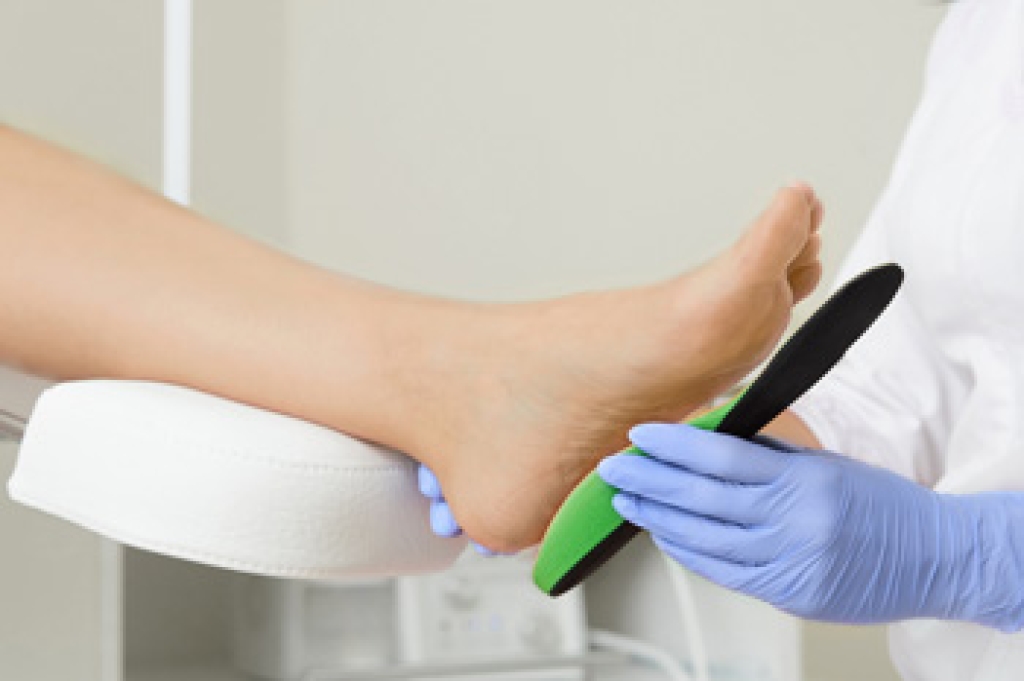
Orthotics are custom made shoe inserts that are prescribed by a doctor to treat a variety of foot conditions. Orthotics can help correct deformities in the feet, help with foot and ankle function, support the ankle, and reduce the risk of injuries. Medical conditions that orthotics can be prescribed for include back pain, arthritis, flat feet, hammer toes, heel spurs, bunions, plantar fasciitis and high arches. If you are curious about getting custom orthotics, check with your podiatrist to see if they’re right for you. Your podiatrist will ask questions about your symptoms, look for any deformities, and check to see how your feet perform during certain activities.  

If you are having discomfort in your feet and would like to try orthotics, contact Tanisha Richmond, DPM from Richmond Foot & Ankle, LLC. Our doctor can provide the care you need to keep you pain-free and on your feet.

What Are Orthotics?

Orthotics are inserts you can place into your shoes to help with a variety of foot problems such as flat feet or foot pain. Orthotics provide relief and comfort for minor foot and heel pain but can’t correct serious biomechanical problems in your feet.

Over-the-Counter Inserts

Orthotics come in a wide variety of over-the-counter inserts that are used to treat foot pain, heel pain, and minor problems. For example, arch supports can be inserted into your shoes to help correct overarched or flat feet, while gel insoles are often used because they provide comfort and relief from foot and heel pain by alleviating pressure.

Prescription Orthotics

If over-the-counter inserts don’t work for you or if you have a more severe foot concern, it is possible to have your podiatrist prescribe custom orthotics. These high-quality inserts are designed to treat problems such as abnormal motion, plantar fasciitis, and severe forms of heel pain. They can even be used to help patients suffering from diabetes by treating foot ulcers and painful calluses and are usually molded to your feet individually, which allows them to provide full support and comfort.

If you are experiencing minor to severe foot or heel pain, it’s recommended to speak with your podiatrist about the possibilities of using orthotics. A podiatrist can determine which type of orthotic is right for you and allow you to take the first steps towards being pain-free.

If you have any questions, please feel free to contact our office located in Dayton, OH . We offer the newest diagnostic and treatment technologies for all your foot care needs.

Read more about Foot Orthotics

Do Your Child's Feet Hurt?

Have your child's feet been examined lately? Healthy feet are happy feet. If your child is complaining of foot pain, it may be a sign of underlying problems.

Are There Relief Options for Arthritic Foot Pain?

Arthritis is a common ailment in patients who are over 65 years of age. It is a condition that can affect the feet and cause severe pain and discomfort. There are simple stretches and exercises which can help to ease some of the pain. Flexibility may be improved, and there can be an increase in synovial joint fluids as a result of frequently performing stretches. Additionally, an exercise routine can be beneficial in increasing existing range of motion. There may be more aggressive measures that can be implemented which may help to reduce arthritis foot pain. These can include changing specific eating habits, medication, or possibly joint replacement surgery. If you have arthritis in your foot, it is suggested that you speak with a podiatrist who can determine what the best course of treatment is for you.

Arthritis can be a difficult condition to live with. If you are seeking treatment, contact Tanisha Richmond, DPM from Richmond Foot & Ankle, LLC. Our doctor can provide the care you need to keep you pain-free and on your feet.

Arthritic Foot Care  

Arthritis is a joint disorder that involves the inflammation of different joints in your body, such as those in your feet. Arthritis is often caused by a degenerative joint disease and causes mild to severe pain in all affected areas. In addition to this, swelling and stiffness in the affected joints can also be a common symptom of arthritis.

In many cases, wearing ill-fitting shoes can worsen the effects and pain of arthritis. Wearing shoes that have a lower heel and extra room can help your feet feel more comfortable. In cases of rheumatoid arthritis, the arch in your foot may become problematic. Buying shoes with proper arch support that contour to your feet can help immensely.

Alleviating Arthritic Pain

  • Exercises that stretch the foot can prevent further pain and injury and increase mobility
  • Most of the pain can be alleviated with anti-inflammatory drugs, heat, and topical medications
  • Massages can help temporarily alleviate pain.

It is best to see your doctor for the treatment that is right for your needs and symptoms. Conditions vary, and a podiatrist can help you determine the right method of care for your feet.

If you have any questions please feel free to contact our office located in Dayton, OH . We offer the newest diagnostic tools and technology to treat your foot and ankle needs.

Read more about Arthritic Foot Care

Is My Toe Mildly or Severely Fractured?

A common injury that many patients can endure is a broken toe. This can be the painful result of a heavy object falling on the toe, or from stubbing the toe against a piece of furniture. Common symptoms that are generally associated with a broken toe include severe pain, swelling, and bruising. If the fracture is severe, the bone may dislocate and protrude from the skin. If the toe is mildly broken, relief may be found by taping the affected toe to the toe next to it. This is referred to as buddy taping, and may provide the necessary stability as the healing process takes place. If you suspect that you have a broken toe, it is strongly recommended that you consult with a podiatrist who can offer you treatment options.

Broken toes may cause a lot of pain and should be treated as soon as possible. If you have any concerns about your feet, contact Tanisha Richmond, DPM from Richmond Foot & Ankle, LLC. Our doctor will treat your foot and ankle needs.

What Is a Broken Toe?

A broken toe occurs when one or more of the toe bones of the foot are broken after an injury. Injuries such as stubbing your toe or dropping a heavy object on it may cause a toe fracture.

Symptoms of a Broken Toe

  • Swelling
  • Pain (with/without wearing shoes)
  • Stiffness
  • Nail Injury

Although the injured toe should be monitored daily, it is especially important to have a podiatrist look at your toe if you have severe symptoms. Some of these symptoms include worsening or new pain that is not relieved with medication, sores, redness, or open wounds near the toe.

If you have any questions please feel free to contact our office located in Dayton, OH . We offer the newest diagnostic tools and technology to treat your foot and ankle needs.

Read more about What to Know About a Broken Toe

Wounds That Don't Heal Need to Be Checked

Your feet are covered most of the day. If you're diabetic, periodic screening is important for good health. Numbness is often a sign of diabetic foot and can mask a sore or wound.

Connect With Us