
Do you suffer from heel pain when you get up in the morning? If so, you should seek professional help and have a proper diagnosis performed. Heel pain can be caused by several different foot-related conditions.
Do you suffer from heel pain when you get up in the morning? If so, you should seek professional help and have a proper diagnosis performed. Heel pain can be caused by several different foot-related conditions.

Sever's disease, also known as calcaneal apophysitis, is a common condition affecting active children and adolescents, particularly those involved in sports. It occurs when the growth plate in the heel becomes inflamed due to repetitive stress and strain, resulting in heel pain and discomfort. Symptoms typically include pain during physical activity, tenderness at the back of the heel, and limping. Relief methods focus on reducing pain and inflammation. Rest is essential, allowing the affected area to heal, and mild pain relievers may provide additional comfort. Stretching and strengthening exercises for the calf muscles and Achilles tendon can also be beneficial. Wearing proper footwear and custom orthotics may improve foot alignment and reduce stress on the heel. If your active child has heel pain, it is suggested that you consult a podiatrist who can see if Sever’s disease is the cause.
Sever's disease often occurs in children and teens. If your child is experiencing foot or ankle pain, see Tanisha Richmond, DPM from Richmond Foot & Ankle, LLC. Our doctor can treat your child’s foot and ankle needs.
Sever’s Disease
Sever’s disease is also known as calcaneal apophysitis, which is a medical condition that causes heel pain I none or both feet. The disease is known to affect children between the ages of 8 and 14.
Sever’s disease occurs when part of the child’s heel known as the growth plate (calcaneal epiphysis) is attached to the Achilles tendon. This area can suffer injury when the muscles and tendons of the growing foot do not keep pace with bone growth. Therefore, the constant pain which one experiences at the back of the heel will make the child unable to put any weight on the heel. The child is then forced to walk on their toes.
Symptoms
Acute pain – Pain associated with Sever’s disease is usually felt in the heel when the child engages in physical activity such as walking, jumping and or running.
Highly active – Children who are very active are among the most susceptible in experiencing Sever’s disease, because of the stress and tension placed on their feet.
If you have any questions, please feel free to contact our office located in Dayton, OH . We offer the newest diagnostic and treatment technologies for all your foot care needs.
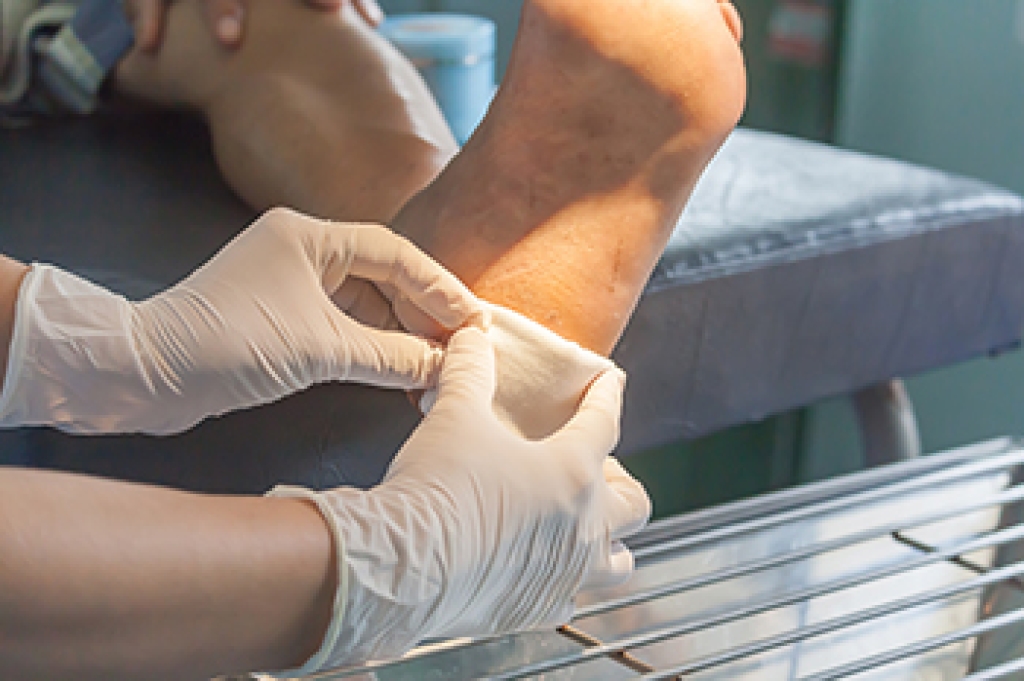
Open wounds on the feet can vary in severity and type, each requiring specific care. Abrasions are superficial injuries resulting from friction, They often cause the outer layer of skin to rub off, leading to redness and mild bleeding. Lacerations are deeper cuts that can vary in length and depth, often caused by sharp objects,. They may require stitches for proper healing. Avulsions occur when a portion of the skin is torn away, potentially exposing deeper layers and necessitating immediate medical attention. Puncture wounds result from objects piercing the skin, such as nails or splinters, which can introduce bacteria and lead to infection if not treated properly. Understanding these types of wounds is vital for effective first aid and healing. If you have a foot wound, it is suggested that you consult a podiatrist who can determine what type it is and offer effective treatment methods.
Wound care is an important part in dealing with diabetes. If you have diabetes and a foot wound or would like more information about wound care for diabetics, consult with Tanisha Richmond, DPM from Richmond Foot & Ankle, LLC. Our doctor will assess your condition and provide you with quality foot and ankle treatment.
What Is Wound Care?
Wound care is the practice of taking proper care of a wound. This can range from the smallest to the largest of wounds. While everyone can benefit from proper wound care, it is much more important for diabetics. Diabetics often suffer from poor blood circulation which causes wounds to heal much slower than they would in a non-diabetic.
What Is the Importance of Wound Care?
While it may not seem apparent with small ulcers on the foot, for diabetics, any size ulcer can become infected. Diabetics often also suffer from neuropathy, or nerve loss. This means they might not even feel when they have an ulcer on their foot. If the wound becomes severely infected, amputation may be necessary. Therefore, it is of the upmost importance to properly care for any and all foot wounds.
How to Care for Wounds
The best way to care for foot wounds is to prevent them. For diabetics, this means daily inspections of the feet for any signs of abnormalities or ulcers. It is also recommended to see a podiatrist several times a year for a foot inspection. If you do have an ulcer, run the wound under water to clear dirt from the wound; then apply antibiotic ointment to the wound and cover with a bandage. Bandages should be changed daily and keeping pressure off the wound is smart. It is advised to see a podiatrist, who can keep an eye on it.
If you have any questions please contact our office located in Dayton, OH . We offer the newest diagnostic and treatment technologies for all your foot and ankle needs.
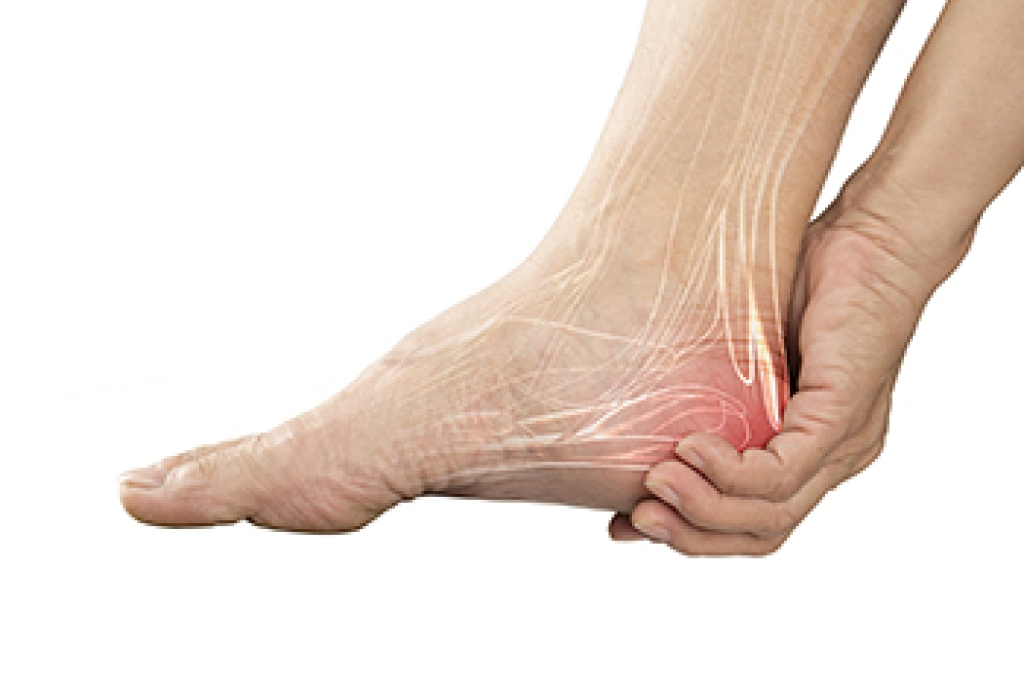
A bruised heel occurs when the protective fat pad beneath the heel bone is damaged from repetitive impact or a sudden injury. This condition is common in athletes who engage in high-impact activities, like running or jumping. It also affects people who wear shoes that lack adequate cushioning. People who are overweight or frequently walk on hard surfaces barefoot are at further risk. Symptoms of heel bruising include pain at the bottom of the heel, which may feel sharp if the bone is also bruised. Sometimes the heel appears red or blue, as the result of bleeding under the skin. Treatment focuses on reducing weight-bearing activities, resting, and protecting the heel with supportive footwear. A podiatrist can recommend customized orthotics, and suggest other modifications to reduce strain on the heel. If left untreated, complications like scar tissue may develop, leading to chronic heel pain. If you have a bruised heel, it is suggested that you schedule an appointment with a podiatrist.
Many people suffer from bouts of heel pain. For more information, contact Tanisha Richmond, DPM of Richmond Foot & Ankle, LLC. Our doctor can provide the care you need to keep you pain-free and on your feet.
Causes of Heel Pain
Heel pain is often associated with plantar fasciitis. The plantar fascia is a band of tissues that extends along the bottom of the foot. A rip or tear in this ligament can cause inflammation of the tissue.
Achilles tendonitis is another cause of heel pain. Inflammation of the Achilles tendon will cause pain from fractures and muscle tearing. Lack of flexibility is also another symptom.
Heel spurs are another cause of pain. When the tissues of the plantar fascia undergo a great deal of stress, it can lead to ligament separation from the heel bone, causing heel spurs.
Why Might Heel Pain Occur?
Treatments
Heel pain should be treated as soon as possible for immediate results. Keeping your feet in a stress-free environment will help. If you suffer from Achilles tendonitis or plantar fasciitis, applying ice will reduce the swelling. Stretching before an exercise like running will help the muscles. Using all these tips will help make heel pain a condition of the past.
If you have any questions, please feel free to contact our office located in Dayton, OH . We offer the newest diagnostic and treatment technologies for all your foot care needs.

Custom orthotics, or shoe inserts, should be periodically replaced. Orthotics must fit properly to give you the best results. Protect your feet and ankles!
Connect With Us