
Managing Sesamoiditis

Sesamoiditis is a chronic condition caused by frequent pressure and resulting in irritation and painful inflammation of the sesamoid bones and surrounding tissues. Sesamoid bones are small bones in the feet that are embedded within tendons and play a vital role in foot biomechanics. Sesamoid bones are under the metatarsophalangeal, or MTP, joint of the big toe. These tiny bones act as a fulcrum of sorts, providing stability to the foot and offering protection and shock absorption for the nearby joints and tendons. Sesamoiditis can be caused by various factors, including damage to the sesamoid bones themselves, joint deformities, such as bunions, as well as conditions like gout, osteoarthritis, and osteoporosis. Certain lifestyle factors, consisting of wearing frequently high heels or engaging in high impact sports, can aggravate the sesamoid bones and result in pain. Differences in arches, body weight, and the size of sesamoids can add to the risk of inflammation. Symptoms typically start mildly and can worsen with continued strain, with pain often concentrated in the ball of the foot. If you believe you are suffering from sesamoiditis, it is suggested that you make an appointment with a podiatrist for an evaluation and options  for treating this condition effectively.

Sesamoiditis is an unpleasant foot condition characterized by pain in the balls of the feet. If you think you’re struggling with sesamoiditis, contact Tanisha Richmond, DPM of Richmond Foot & Ankle, LLC. Our doctor will treat your condition thoroughly and effectively.

Sesamoiditis

Sesamoiditis is a condition of the foot that affects the ball of the foot. It is more common in younger people than it is in older people. It can also occur with people who have begun a new exercise program, since their bodies are adjusting to the new physical regimen. Pain may also be caused by the inflammation of tendons surrounding the bones. It is important to seek treatment in its early stages because if you ignore the pain, this condition can lead to more serious problems such as severe irritation and bone fractures.

Causes of Sesamoiditis

  • Sudden increase in activity
  • Increase in physically strenuous movement without a proper warm up or build up
  • Foot structure: those who have smaller, bonier feet or those with a high arch may be more susceptible

Treatment for sesamoiditis is non-invasive and simple. Doctors may recommend a strict rest period where the patient forgoes most physical activity. This will help give the patient time to heal their feet through limited activity. For serious cases, it is best to speak with your doctor to determine a treatment option that will help your specific needs.

If you have any questions, please feel free to contact our office located in Dayton, OH . We offer the newest diagnostic and treatment technologies for all your foot care needs.

Read more about Sesamoiditis

Wounds That Don't Heal Need to Be Checked

Your feet are covered most of the day. If you're diabetic, periodic screening is important for good health. Numbness is often a sign of diabetic foot and can mask a sore or wound.

Can Orthotics Help With Bunions?

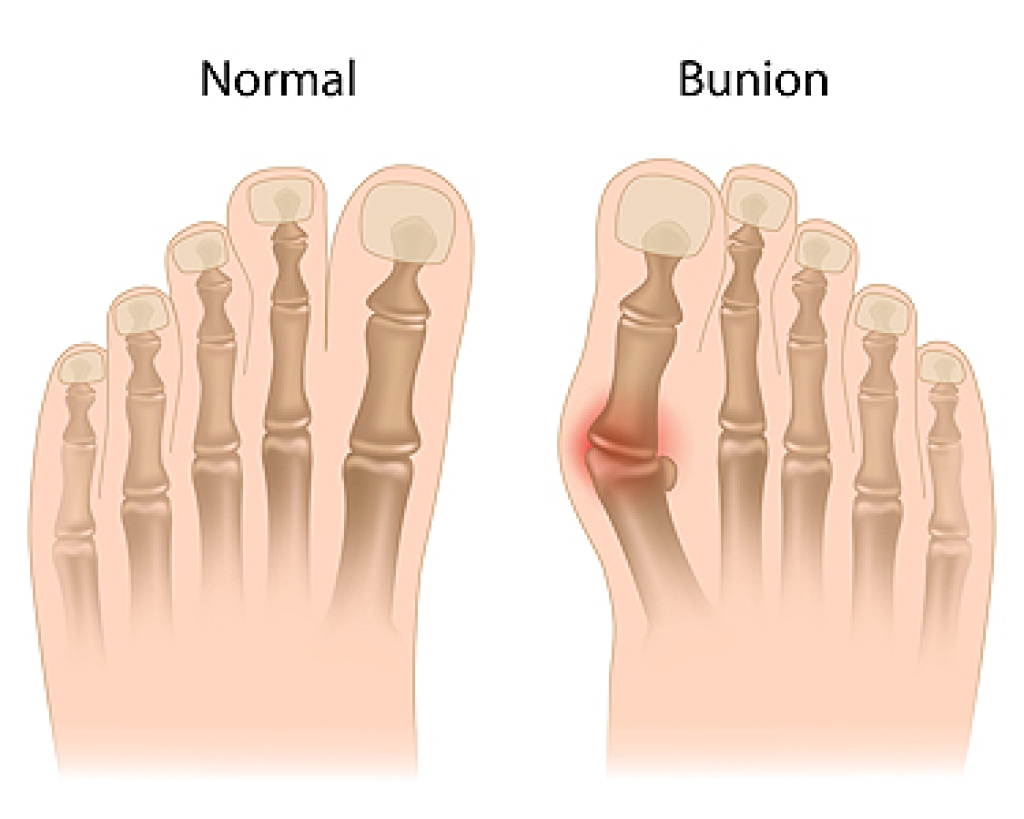
A bunion, known medically as hallux valgus, is a bony deformity affecting the joint at the base of the big toe. This condition is characterized by the big toe angling outward towards the other smaller toes on the same foot. This deviation from the toe's natural alignment can lead to discomfort and pain, especially as it progresses. Bunions can manifest with various symptoms and associated issues. These may include pain, swelling, numbness, a burning sensation, or tingling around the bunion area. Footwear can exacerbate these symptoms, leading to discomfort. Additionally, hard, calloused, red, or painful skin may develop over the top of the bunion. Mobility can be restricted, with the big toe being particularly painful to move up and down. Bunions can also contribute to the development of hammertoes, corns, and calluses on the ball of the foot. These conditions can affect one's gait, causing instability while walking. Finding appropriate and comfortable shoes can become challenging due to the deformity and pain associated with bunions, further impacting daily activities and comfort. Orthotics cannot correct a bunion, but they can help with reducing pain in the big toe joint and slow its progression. Conditions such as flat feet can put more pressure on your bunion and wearing orthotics can redistribute that pressure. If you are experiencing pain from your bunion when walking or exercising, it is suggested that you make an appointment with a podiatrist to discuss the use of custom-made orthotics for increased comfort and function.

If you are suffering from bunion pain, contact Tanisha Richmond, DPM of Richmond Foot & Ankle, LLC. Our doctor can provide the care you need to keep you pain-free and on your feet.

What Is a Bunion?

Bunions are painful bony bumps that usually develop on the inside of the foot at the joint of the big toe. As the deformity increases over time, it may become painful to walk and wear shoes. Women are more likely to exacerbate existing bunions since they often wear tight, narrow shoes that shift their toes together. Bunion pain can be relieved by wearing wider shoes with enough room for the toes.

Causes

  • Genetics – some people inherit feet that are more prone to bunion development
  • Inflammatory Conditions - rheumatoid arthritis and polio may cause bunion development

Symptoms

  • Redness and inflammation
  • Pain and tenderness
  • Callus or corns on the bump
  • Restricted motion in the big toe

In order to diagnose your bunion, your podiatrist may ask about your medical history, symptoms, and general health. Your doctor might also order an x-ray to take a closer look at your feet. Nonsurgical treatment options include orthotics, padding, icing, changes in footwear, and medication. If nonsurgical treatments don’t alleviate your bunion pain, surgery may be necessary.

If you have any questions, please feel free to contact our office located in Dayton, OH . We offer the newest diagnostic and treatment technologies for all your foot care needs.

Read more about Bunions

Why More People Are Choosing a Podiatry Career

In recent years, an increasing number of people have chosen to pursue the field of podiatry, and this trend continues to grow. One of the driving factors behind this career choice is the rising awareness of the importance of foot health. As people become more health conscious, they recognize the critical role feet play in their overall well-being. Podiatrists are uniquely positioned to address a wide range of foot and ankle issues, from chronic conditions such as diabetes-related foot problems to sports injuries and biomechanical concerns. Additionally, the field of podiatry offers diverse career opportunities. Graduates can specialize in various areas, including sports medicine, surgery, wound care, and pediatrics, catering to a wide spectrum of patient needs. Furthermore, the demand for podiatrists is on the rise as the aging population seeks expert care for foot-related issues. The job outlook for podiatrists remains favorable, offering stability and potential for career growth. Ultimately, the combination of increasing awareness of foot health, career diversity, and strong demand for specialized care has made podiatry an attractive and rewarding field. If you are interested in pursuing podiatry as a career choice, it is suggested that you have a conversation with this type of doctor who can speak informatively about the field.

If you are experiencing pain in the feet or ankles, don’t join the stubborn majority refusing treatment. Feel free to contact Tanisha Richmond, DPM from Richmond Foot & Ankle, LLC. Our doctor can provide the care you need to keep you pain-free and on your feet.

What Is a Podiatrist?

Someone would seek the care of a podiatrist if they have suffered a foot injury or have common foot ailments such as heal spurs, bunions, arch problems, deformities, ingrown toenails, corns, foot and ankle problems, etc.

Podiatric Treatment

A podiatrist will treat the problematic areas of the feet, ankle or lower leg by prescribing the following:

  • Physical therapy
  • Drugs
  • Orthotic inserts or soles
  • Surgery on lower extremity fractures

A common podiatric procedure a podiatrist will use is a scanner or force plate which will allow the podiatrist to know the designs of orthotics. Patients are then told to follow a series of tasks to complete the treatment. The computer will scan the foot a see which areas show weight distribution and pressure points. The podiatrist will read the analysis and then determine which treatment plans are available.

If you have any questions, please feel free to contact our office located in Dayton, OH . We offer the newest diagnostic and treatment technologies for all your foot care needs.

Read more about What is a Podiatrist?

Plantar Warts Can Be Treated!

Plantar warts are small growths that develop on parts of the feet that bear weight. They're typically found on the bottom of the foot. Don't live with plantar warts, and call us today!

Connect With Us